
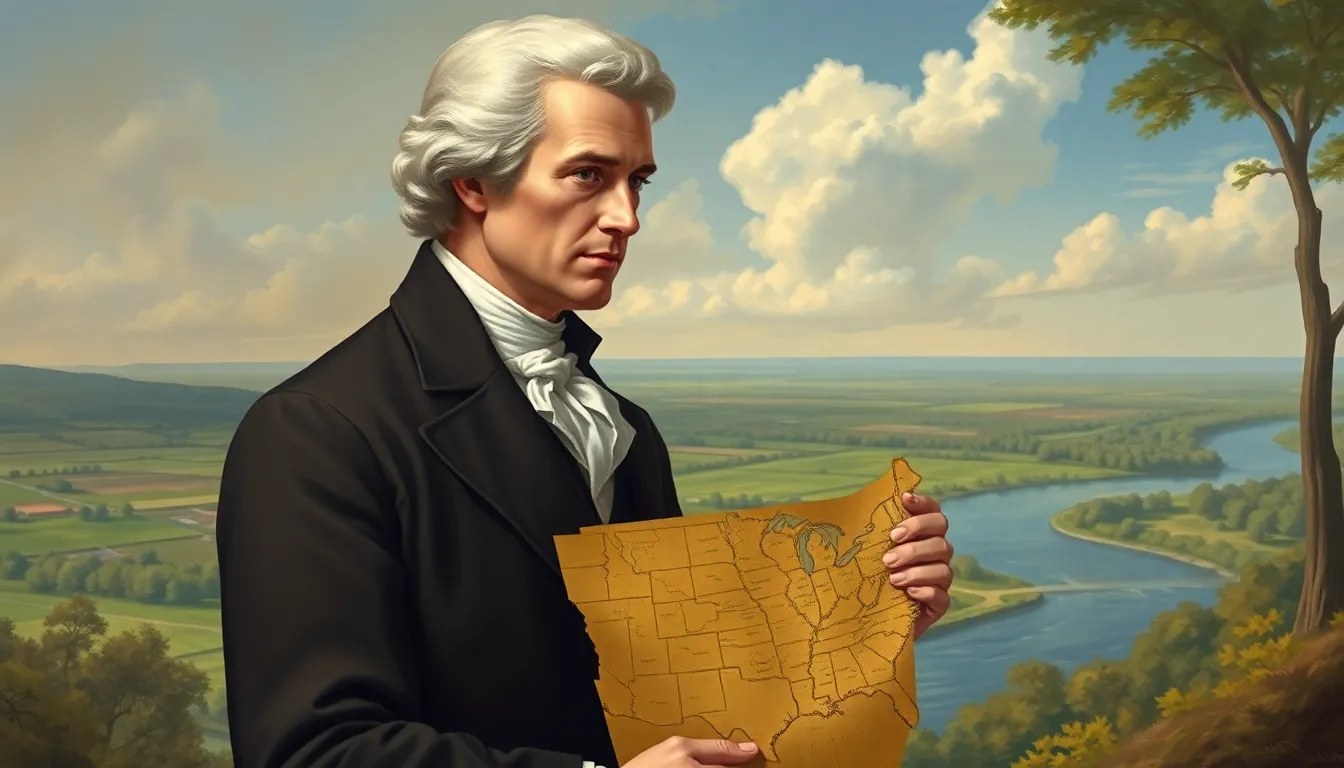
In the early 19th century, a real estate deal like no other unfolded, and it wasn’t just your average house-hunting adventure. The Louisiana Purchase transformed the United States, adding a whopping 828,000 square miles of land for a mere $15 million. But who were the key players in this monumental transaction? Spoiler alert: it wasn’t just a couple of guys haggling over a price tag.
Overview of the Louisiana Purchase
The Louisiana Purchase represented a pivotal moment in American expansion. This transaction was finalized on April 30, 1803, and involved the United States purchasing land from France. The land acquired totaled approximately 828,000 square miles, which effectively doubled the size of the nation.
President Thomas Jefferson played a significant role in this deal. Recognizing the strategic value of the territory, he sought to secure control over the Mississippi River and its tributaries. French leader Napoleon Bonaparte aimed to consolidate power in Europe and had lost interest in maintaining a vast North American colony. As a result, he decided to sell the territory to the U.S.
Additionally, American diplomats Robert Livingston and James Monroe were instrumental in negotiating the purchase. They initially aimed to acquire just New Orleans and its surrounding areas for $10 million. Their discussions with Napoleon shifted when France made the unexpected offer for the entire Louisiana Territory.
Senators and various political figures also influenced the proceedings. Concerns arose over the constitutionality of the purchase, as some questioned whether Jefferson had the authority to acquire new land. Ultimately, Congress approved the deal, endorsing the transformative implications for the United States.
Financially, the acquisition cost $15 million, translating to roughly 4 cents per acre. The Louisiana Purchase set the stage for westward expansion, ushering in a new era of exploration and settlement. It equipped the U.S. with vast natural resources and diverse landscapes, laying the groundwork for future growth and development.
Key Figures in the Louisiana Purchase
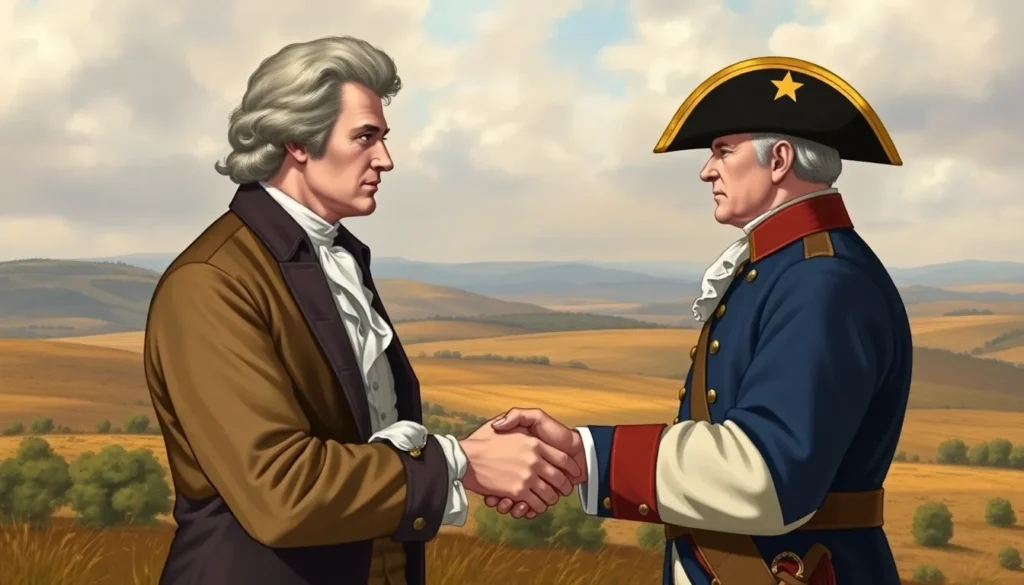
Key individuals played essential roles in the Louisiana Purchase, shaping its outcome and significance.
Thomas Jefferson
Thomas Jefferson served as the third President of the United States during the Louisiana Purchase. His interest in acquiring the territory stemmed from a desire to control the Mississippi River and secure land for future generations. He initiated negotiations with France, believing the acquisition was vital for the nation’s agrarian economy. Jefferson faced challenges, including concerns about the constitutional authority to purchase land. Despite these challenges, he prioritized this opportunity, recognizing that it could transform the nation.
Napoleon Bonaparte
Napoleon Bonaparte led France during the Louisiana Purchase, holding strategic interests in North America. By the early 1800s, he lost interest in maintaining the territory due to conflicts in Europe and the costly Haitian Revolution. His decision to sell the vast land reflected his tactical retreat from American colonial ambitions. The sale provided France with much-needed funds for military endeavors, while simultaneously facilitating American expansion. Napoleon’s move to offer the entire territory took American diplomats by surprise and significantly altered U.S. boundaries.
Robert Livingston
Robert Livingston served as the U.S. Minister to France and played a pivotal role in the negotiations for the Louisiana Purchase. Charged with the task of securing New Orleans for $10 million, he quickly recognized the potential for a larger acquisition. He skillfully negotiated with French officials, helping to facilitate the deal. Livingston’s ability to adapt to unexpected offers showcased his diplomatic expertise. His actions ultimately contributed to the successful expansion of U.S. territory and influenced the nation’s future direction.
James Monroe
James Monroe accompanied Robert Livingston to France as part of the American delegation. His experience in diplomacy made him a crucial ally during negotiations. Monroe’s involvement began as a mission to secure New Orleans, but he quickly grasped the opportunity for a larger acquisition. He worked closely with Livingston to strike a favorable deal with French officials. Monroe’s contributions ensured that the American delegation secured a once-in-a-lifetime opportunity that doubled the nation’s territory.
The Role of Native American Tribes
Native American tribes played a crucial role in the context of the Louisiana Purchase, significantly affecting the region’s dynamics. Tribes such as the Sioux, Cheyenne, and Osage inhabited vast areas within the newly acquired territory. Their presence fostered complex relationships with European settlers and later the U.S. government.
Interactions between Native American tribes and European explorers marked the early exploration period of the Louisiana Territory. Tribes often provided guidance and resources to explorers like Lewis and Clark, who were commissioned to survey the land. Knowledge of the geography and local resources by Native Americans proved invaluable for such expeditions.
After the acquisition, U.S. expansion policies led to widespread displacement and conflict. Many tribes faced pressure from settlers encroaching on their lands, resulting in loss of territory and autonomy over the following decades. Treaties, often signed under duress, frequently resulted in broken promises by the U.S. government, further complicating tribal relations.
Cultural exchanges also occurred amidst this turbulent time. Native American tribes influenced food, trade, and survival strategies adopted by settlers. Recognition of tribal knowledge about agriculture and environmental stewardship became crucial to U.S. settlers’ efforts to establish farms and communities in the new landscape.
Tribal sovereignty faced significant challenges as westward expansion continued unchecked. Despite federal recognition of some tribes, many faced relentless pressures as settlers moved further into their territories. Native American resistance to encroachment marked numerous conflicts throughout the 19th century, greatly affecting the future demographic and cultural landscape of the region.
Overall, the involvement of Native American tribes in the context of the Louisiana Purchase emphasizes their integral role during this transformative period in American history. Their legacy continued to shape relations, policies, and cultural exchanges for generations.
Impact of the Louisiana Purchase
The Louisiana Purchase significantly transformed the United States’ geopolitical landscape. It added 828,000 square miles of territory at a modest price of $15 million, a remarkable deal costing about 4 cents per acre. This transaction effectively doubled the size of the nation, enhancing its potential for expansion and development.
Control over the Mississippi River became a priority for the U.S. as a result of the acquisition. Navigation and trade routes gained strategic importance, allowing easier access to the Gulf of Mexico for territories located inland. The government’s ability to facilitate westward migration was notably strengthened, paving the way for future exploration and settlement.
Economic prospects flourished following the purchase. Vast expanses of fertile land opened opportunities for agriculture, while rich natural resources fueled industrial growth. New Orleans, positioned strategically as a commercial hub, became vital for regional trade and commerce.
Native American tribes bore the brunt of the consequences following the Louisiana Purchase. Tribes like the Sioux, Cheyenne, and Osage faced increased encroachment from settlers seeking land. Displacement and conflict arose as federal expansion policies pressured Native communities, often undermining their sovereignty and autonomy.
Cultural exchanges emerged between settlers and Native Americans during this era. Agricultural practices and survival techniques adopted by settlers had roots in indigenous traditions. Despite fierce resistance from tribes, U.S. policies continued to shape relations, leading to long-lasting impact and challenges.
The involvement of key figures like President Jefferson and diplomats Livingston and Monroe marks this acquisition as pivotal in U.S. history. Their collective efforts underscored the importance of strategic planning and negotiation in expanding American territory. The legacy of the Louisiana Purchase resonates in contemporary discussions about land, sovereignty, and the nation’s growth trajectory.
The Louisiana Purchase was a pivotal moment in American history that reshaped the nation’s boundaries and destiny. Key figures like Thomas Jefferson, Napoleon Bonaparte, Robert Livingston, and James Monroe played vital roles in this monumental transaction. Their actions not only expanded U.S. territory but also set the stage for future exploration and settlement.
However, the acquisition also had profound implications for Native American tribes who found their lands and way of life threatened. The dynamics of this purchase continue to influence discussions on land rights and sovereignty today. The legacy of the Louisiana Purchase remains a crucial chapter in understanding the complexities of American expansion and its lasting impact on the nation.