
Imagine stepping outside to a space that’s as functional as it is fabulous. An outdoor kitchen isn’t just a luxury; it’s a ticket to culinary adventures under the sun. Whether it’s sizzling steaks or whipping up a refreshing salad, having an outdoor kitchen transforms the mundane into the extraordinary.
Not only does it elevate your grilling game, but it also turns your backyard into the ultimate entertaining hub. Friends will flock to your gatherings, and you’ll be the envy of the neighborhood. Plus, who wouldn’t want to cook while soaking up fresh air? With the right design, an outdoor kitchen can blend seamlessly with nature, offering both style and practicality. So let’s dive into the world of outdoor kitchen design and discover how to create a space that’s as inviting as it is innovative.
Table of Contents
ToggleOverview of Outdoor Kitchen Design
Outdoor kitchen design combines functionality with aesthetic appeal, creating an inviting culinary space. Designers often focus on essential elements, including cooking appliances, countertops, and seating arrangements. These features enhance user experience, allowing for seamless meal preparation and entertaining.
Materials play a key role in outdoor kitchen design. Common choices such as stainless steel, stone, and wood withstand varying weather conditions while adding elegance. Durable materials ensure longevity and maintain visual harmony with the natural surroundings.
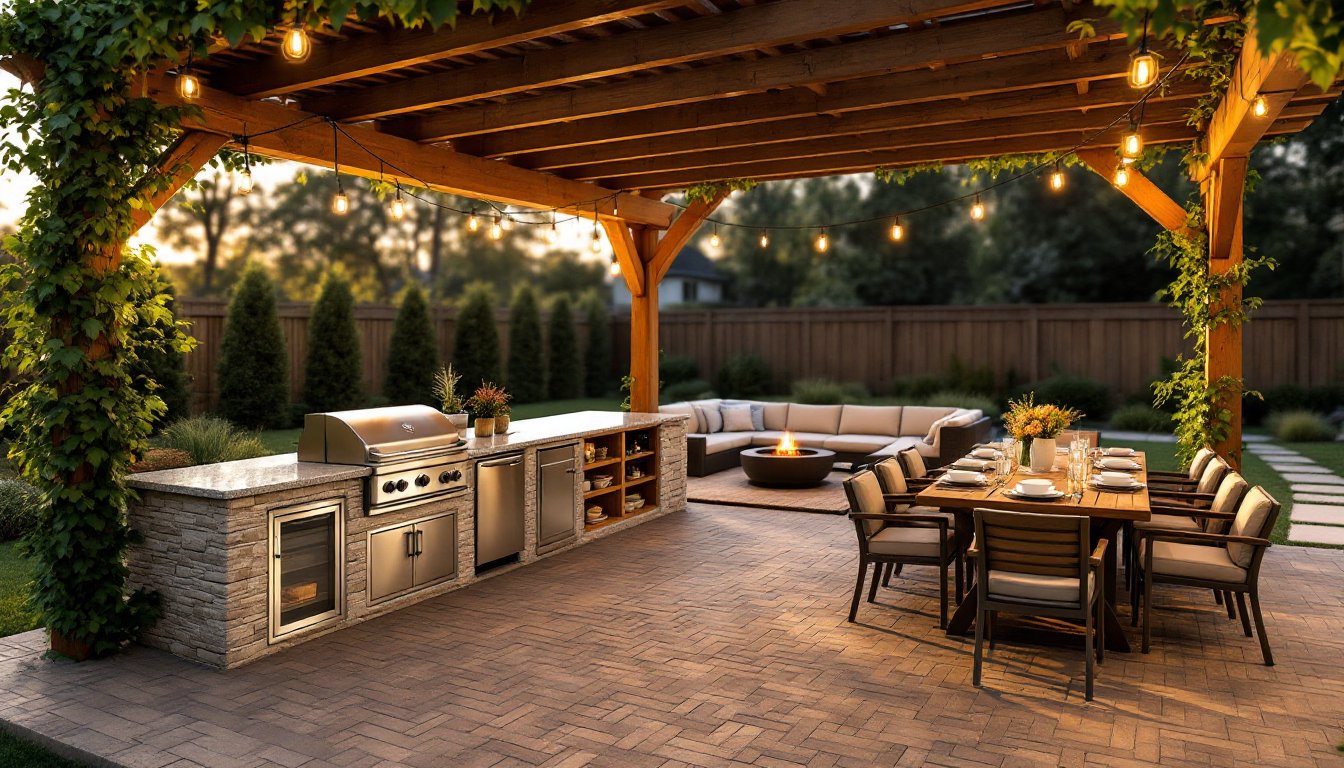
The layout significantly influences outdoor kitchen effectiveness. L-shaped or U-shaped configurations maximize workspace, while incorporating a central island promotes social interaction. Strategic placement of appliances enhances workflow, making cooking convenient and efficient.
Incorporating lighting solutions elevates outdoor kitchen ambiance. Task lighting over work areas serves practical purposes, while ambient lighting creates a warm, inviting atmosphere for evening gatherings. Unique fixtures can serve as focal points, adding character to the overall design.
Storage options are vital for maintaining organization. Cabinets, drawers, and open shelves ensure accessibility to cooking essentials and utensils. Integrating designated storage areas prevents clutter, contributing to a well-structured outdoor kitchen environment.
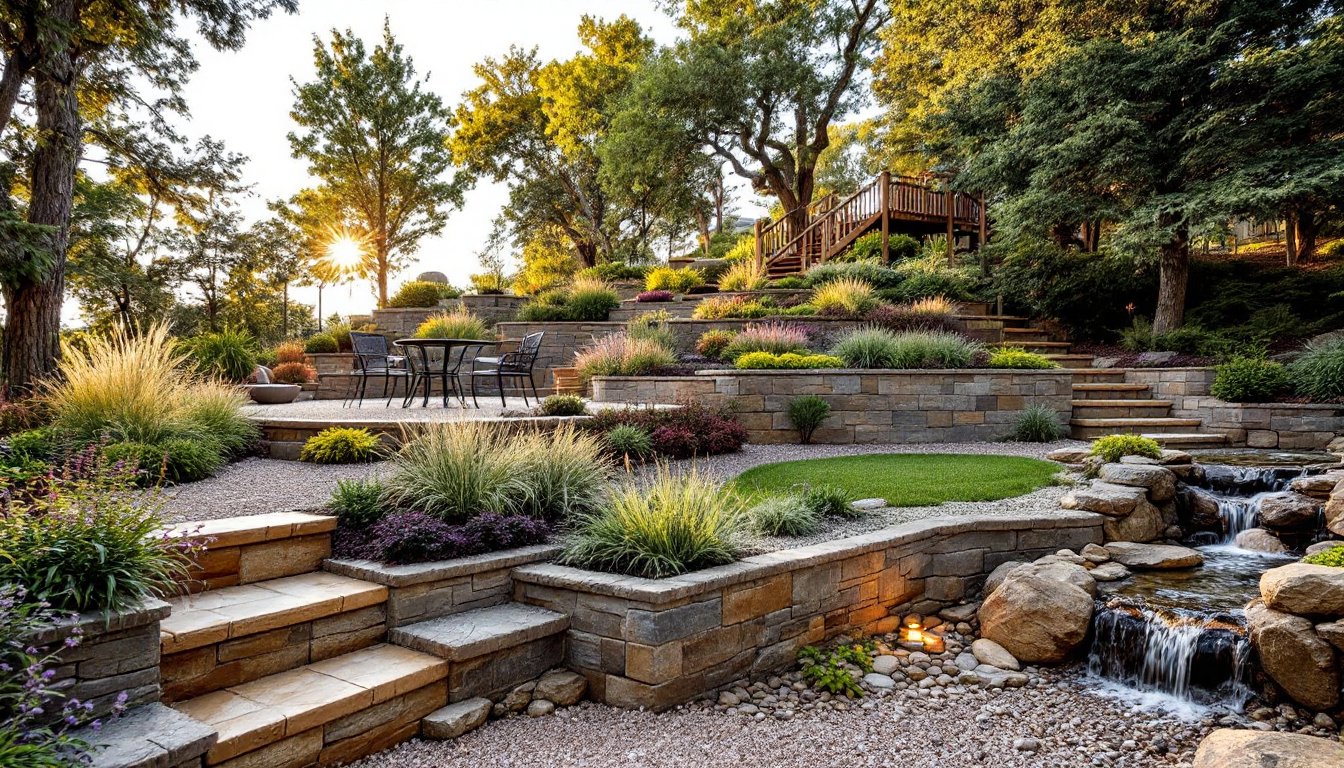
Landscaping complements outdoor kitchen design. Thoughtful integration of plants and pathways enhances visual appeal and promotes a cohesive theme. Outdoor kitchens that blend naturally with their surroundings lead to a serene culinary experience.
Overall, outdoor kitchen design invites creativity and practicality. Customizable features cater to individual preferences, enabling homeowners to realize their ideal cooking space. Inspiration can come from various styles, adapting design elements to fit personal tastes and lifestyle needs.
Key Elements of Outdoor Kitchen Design
Outdoor kitchens incorporate several essential components that contribute to their functionality and style. Key elements include layout, materials, and appliances.
Layout and Space Planning
An efficient layout maximizes workspace and encourages social interaction. Island configurations promote conversations among guests while cooking, making it a focal point. L-shaped designs provide ample counter space for food preparation and cooking. U-shaped layouts optimize workflow with easy access to different areas. Adapting the layout to the size of the outdoor area boosts usability without feeling cramped. Clear pathways allow easy movement between zones, enhancing overall enjoyment.
Material Selection
Selecting durable materials significantly impacts the kitchen’s longevity and appearance. Stainless steel appliances resist rust and weather, contributing to a modern aesthetic. Natural stone countertops offer both beauty and durability, often used for their unique patterns. Weather-resistant wood adds warmth and charm, creating a welcoming environment. These materials withstand outdoor conditions, ensuring that the outdoor kitchen remains functional year-round. Choosing appropriate finishes and coatings helps maintain the integrity of selected materials over time.
Appliances and Features
Including high-quality appliances elevates the outdoor cooking experience. Grills, smokers, and pizza ovens provide versatility, catering to various culinary preferences. Refrigerators and ice makers keep food and drinks chilled during gatherings. Incorporating ergonomic features such as adjustable shelving and user-friendly controls enhances ease of use. Outdoor sinks with running water simplify food preparation and cleanup, making it a practical addition. Lighting features enhance visibility and mood, allowing for cooking and entertaining after sunset.
Popular Styles of Outdoor Kitchen Design
Outdoor kitchens come in various styles, each offering unique features and benefits. Two popular design options stand out—modern and rustic.
Modern Outdoor Kitchens
Modern outdoor kitchens emphasize sleek lines and minimalist aesthetics. Stainless steel appliances often take center stage, providing durability and easy maintenance. Concrete or composite countertops complement this style, lending a contemporary touch. Open layouts encourage social interaction, allowing seamless transitions from cooking to dining. Efficient lighting enhances evening gatherings, making the space inviting after sunset. Incorporating smart technology offers convenience, enabling remote control of appliances and lighting. Finally, integrating greenery with clean lines creates a harmonious balance between nature and modern design.
Rustic Outdoor Kitchens
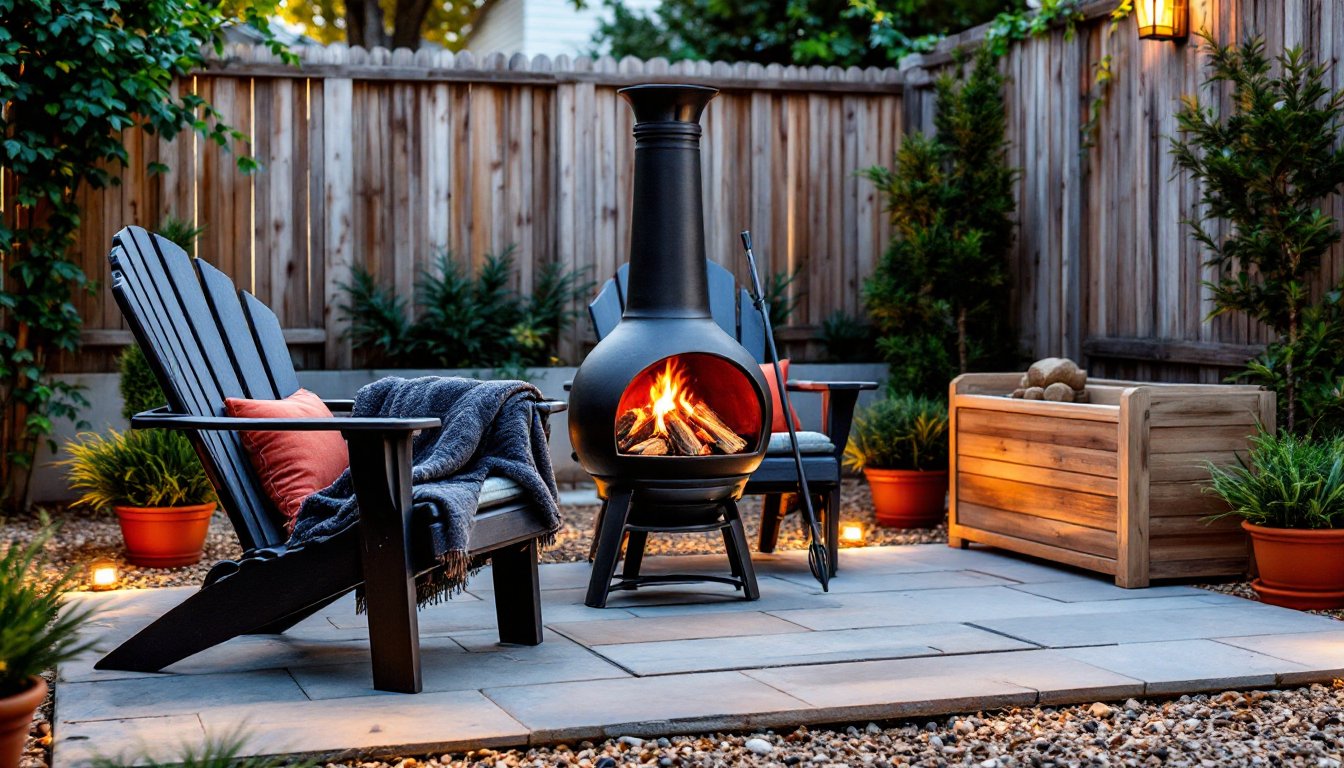
Rustic outdoor kitchens focus on warm, natural materials, creating a cozy atmosphere. Wood elements, such as cedar or reclaimed barn wood, evoke a sense of nostalgia and charm. Stone countertops or brick pizza ovens add authenticity, attracting attention as focal points in the outdoor space. Fireplaces or fire pits further enhance the rustic vibe, providing warmth and an inviting gathering spot. Landscaping with native plants complements the theme, blending seamlessly with the surroundings. Using vintage fixtures adds character and uniqueness, ensuring each kitchen remains distinct and personal. Finally, thoughtful layouts promote a flow that encourages interaction and enjoyment among guests.
Outdoor Kitchen Design Tips
Creating an outdoor kitchen involves key considerations for functionality and aesthetics. Thoughtful design enhances both the cooking experience and the overall look of the space.
Maximizing Functionality
Efficient layouts foster productivity, ensuring workspaces remain organized. Placing cooktops and sinks close together streamlines food preparation. Choosing weather-resistant materials, such as stainless steel and stone, guarantees durability and longevity. Including ample storage options prevents clutter and keeps essentials easily accessible. Selecting high-quality appliances like grills and refrigerators adds to usability, while designing clear pathways enables seamless movement throughout the space. Installing overhead coverings protects against the elements, allowing outdoor cooking in various weather conditions.
Enhancing Aesthetics
A well-designed outdoor kitchen should complement its surroundings. Integrating natural materials, such as wood and stone, creates a harmonious blend with outdoor elements. Choosing a color palette that reflects the natural environment enhances visual appeal. Incorporating greenery, like potted plants or vertical gardens, softens hard surfaces and adds vibrancy. Lighting plays a crucial role; task lighting enhances functionality while ambient lighting elevates ambiance. Thoughtful placement of decorative features, like outdoor art or custom cabinetry, offers personal touches that reflect individual style.
An outdoor kitchen stands as a remarkable investment that elevates both home value and lifestyle. By blending functionality with style, it transforms outdoor spaces into culinary havens. Thoughtful design choices ensure that every aspect—from layout to materials—contributes to a seamless cooking and entertaining experience.
With the right appliances and smart storage solutions, outdoor kitchens can be as efficient as they are inviting. Whether opting for a modern or rustic aesthetic, personal touches and landscaping can enhance the overall ambiance. Embracing these design principles allows homeowners to create a unique outdoor kitchen that not only meets their cooking needs but also fosters memorable gatherings with family and friends.