
When it comes to landscape themes, the world is a canvas waiting for a splash of creativity. From serene mountain vistas to vibrant urban jungles, these themes can transform any space into a visual masterpiece. Whether you’re a seasoned designer or a weekend warrior with a penchant for DIY, understanding landscape themes can elevate your outdoor experience from drab to fab.
Imagine strolling through a garden that feels like a scene straight out of a fairy tale or lounging in a backyard that rivals a tropical resort. With the right landscape theme, every corner of your outdoor area can tell a story. So grab your gardening gloves and a sense of adventure—it’s time to explore the enchanting world of landscape themes and discover how they can breathe life into your surroundings.
Table of Contents
ToggleOverview of Landscape Themes
Landscape themes influence outdoor space design by establishing a cohesive aesthetic. Various styles, such as modern, rustic, and tropical, create distinct atmospheres. Each theme offers unique elements like plant selections, hardscaping features, and color palettes that contribute to the overall vision.
Modern landscapes emphasize clean lines and minimalism. They often feature geometric shapes and neutral colors, enhancing a sense of order and tranquility. Rustic themes utilize natural materials and reclaimed elements, creating a warm, inviting feel. This style often includes features like wooden benches, stone pathways, and wildflower gardens.
Tropical landscapes transport viewers to exotic environments. They highlight lush greenery, vibrant flowers, and water features, fostering a sense of relaxation and escape. Similarly, Mediterranean themes create a sun-soaked atmosphere with terracotta tiles, vibrant bougainvillea, and ornamental fountains.
In residential design, understanding these themes helps homeowners make informed decisions. Factors such as climate, space, and personal preferences play a crucial role in selecting the right landscape theme. Access to regional plants and materials enhances the effectiveness of the chosen style.
Exploration of landscape themes encourages creativity. Homeowners envision their outdoor areas as extensions of their interior spaces, blending comfort and style. Whether creating a tranquil retreat or a vibrant entertainment area, proper planning ensures a successful transformation.
These themes serve as a foundation for architectural features, plants, and decorations. Embracing unique landscapes fosters a connection between nature and human-made environments. Designers and DIY enthusiasts alike can create stunning outdoor retreats that reflect personal tastes and enhance property value.
Key Elements of Landscape Themes
Understanding the key elements of landscape themes enhances outdoor space design. Each theme presents a unique approach to incorporating elements that create visual harmony.
Natural Landscapes
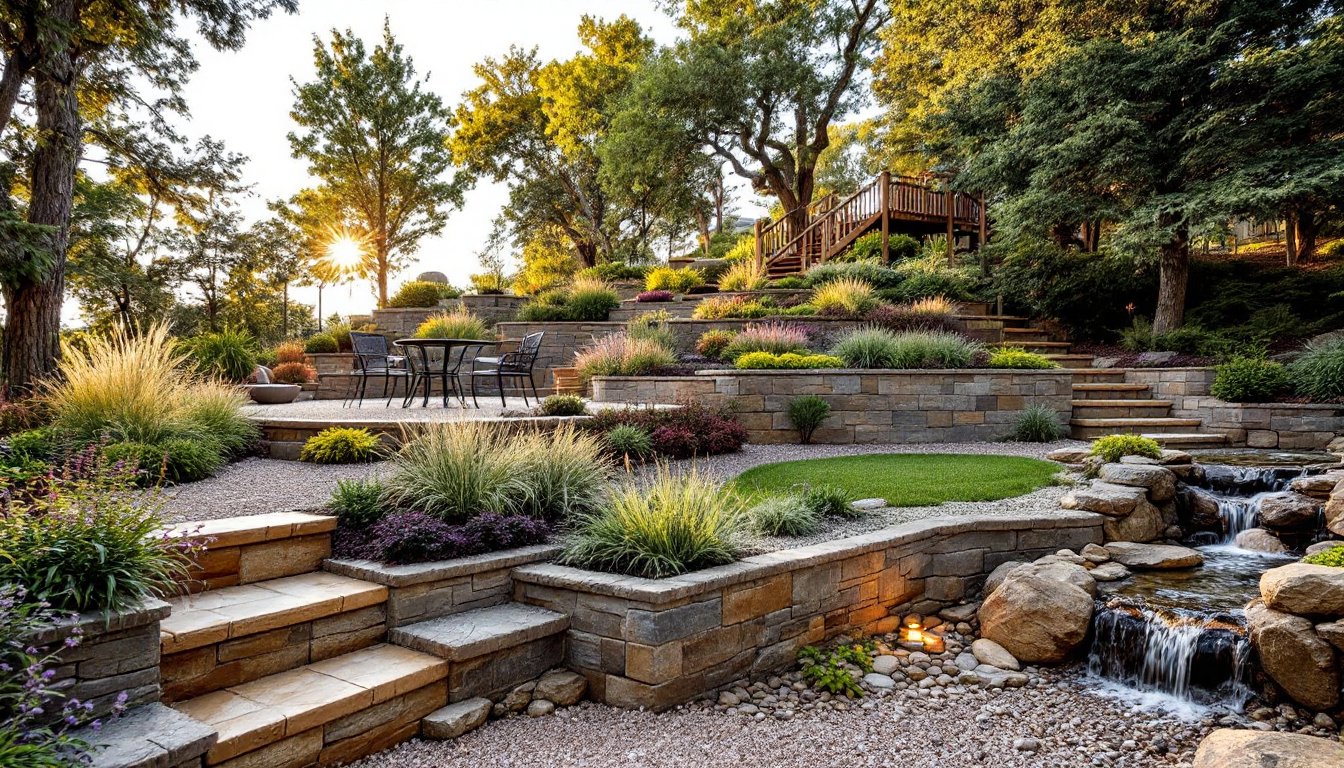
Natural landscapes emphasize the beauty of organic elements. They include native plants, trees, and water features that maintain ecological balance. Designing with local flora fosters sustainability, encouraging biodiversity within the area. Stone pathways, wooden decks, and natural fencing often complement these themes, adding rustic charm. Incorporating features like ponds or streams can attract wildlife, creating an immersive outdoor experience. Natural landscapes evoke tranquility, and their simplicity invites relaxation and reflection in outdoor spaces.
Cultural Landscapes
Cultural landscapes reflect human interaction with the environment. They capture traditions, heritage, and historical significance through design elements. Incorporating local materials connects a landscape to its cultural roots, providing a sense of place. Gardens based on specific traditions often feature sculptural elements or tiled walkways. Plant selections highlight cultural symbolism, enriching the overall aesthetic. These landscapes offer storytelling opportunities, allowing outdoor spaces to express unique identities and connect with community values.
Importance of Landscape Themes in Art
Landscape themes significantly impact artistic expression and design. They provide a framework that unites various elements in outdoor spaces, reflecting personal taste and cultural significance.
Historical Perspectives
Artistic representation of landscapes dates back to ancient civilizations. Early societies depicted nature in forms of cave paintings and frescoes, showcasing their connection to the environment. Landscapes evolved through the Renaissance, emphasizing perspective and realism. Artists like Claude Lorrain highlighted natural beauty, blending landscapes with human narrative. In the 19th century, the Impressionists introduced modern interpretations of light and color, invigorating landscape themes. These historical influences laid the groundwork for contemporary design, highlighting the deep-rooted relationship between people and nature.
Modern Interpretations
Today’s landscape themes celebrate diverse styles and innovative design techniques. Urban environments embrace sustainable practices, incorporating green roofs and living walls. Minimalist approaches focus on simplicity, utilizing native plant palettes that promote biodiversity. Vibrant tropical themes capture attention, featuring exotic plants and bold colors that create immersive experiences. Contemporary artists often fuse technology with nature, exploring multimedia installations in public parks. These modern interpretations inspire creativity, urging individuals to engage with their surroundings while reflecting society’s evolving values and priorities.
Landscape Themes in Literature
Landscape themes play a significant role in literature, providing depth and meaning through vivid imagery and symbolism. These themes enhance narrative techniques and character development.
Symbolism and Metaphors
Symbolism within landscape themes often reflects human emotions and experiences. Mountains may symbolize challenges, while flowing rivers often represent the passage of time. An author might depict a stormy landscape to convey conflict or turmoil, contrasting it with serene fields to evoke peace. These metaphors create a rich tapestry of meaning, allowing readers to connect their feelings with the settings. Nature’s power becomes more than just a backdrop; it serves as an integral part of the story, driving home the emotional undercurrents present in the text.
Case Studies in Notable Works
Notable works showcase how landscape themes impact narrative structure. In “The Great Gatsby,” F. Scott Fitzgerald uses the contrasting environments of East and West Egg to represent socio-economic divides. The opulence of Gatsby’s mansion contrasts sharply with the desolation of the Valley of Ashes, embodying the American Dream’s contradictions. In Emily Dickinson’s poetry, nature frequently acts as a reflection of the speaker’s inner state, capturing feelings of isolation and longing. These examples illustrate how landscape themes enrich literary environments, enabling authors to express complex ideas and emotions effectively.
Exploring landscape themes opens up a world of possibilities for transforming outdoor spaces into captivating retreats. By understanding various styles and their unique characteristics, individuals can create environments that resonate with their personal tastes and enhance their properties.
Whether embracing the tranquility of natural landscapes or the vibrant energy of tropical themes, each choice contributes to a cohesive aesthetic. This not only elevates the beauty of a space but also fosters a deeper connection with nature.
Ultimately, landscape themes serve as a canvas for creativity and expression, inviting homeowners to craft outdoor areas that reflect their identity and values. Embracing these themes can lead to stunning results that enrich both the environment and the experiences of those who inhabit it.