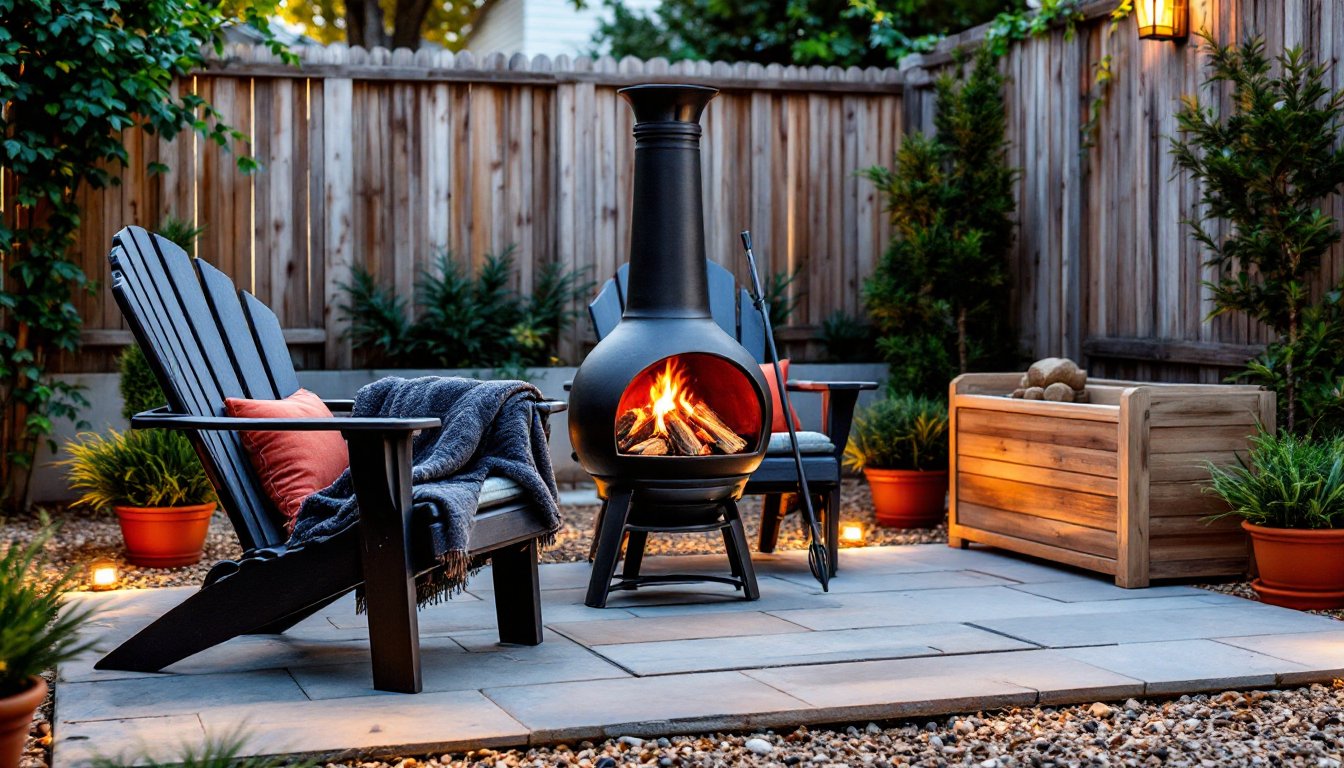

Backyard picnics aren’t just for kids and peanut butter sandwiches anymore. With a little planning and the right setup, homeowners can transform their outdoor space into a dining destination that rivals any restaurant patio, without the reservation wait or the tab. Whether it’s a weeknight dinner on a blanket or a full-blown gathering with multiple courses, the backyard offers flexibility, privacy, and zero commute time. This guide covers practical ways to set up, stock, decorate, entertain, and weather-proof a backyard picnic that feels special without requiring a Pinterest doctorate.
Table of Contents
ToggleKey Takeaways
- Invest in a waterproof picnic blanket with fleece or quilted topping and use low-profile folding tables or pop-up canopies to create a comfortable, shaded foundation for your backyard picnic ideas.
- Plan your menu around portable, room-temperature-stable foods like rotisserie chicken, charcuterie boards, pasta salads, and pre-batched cocktails that minimize last-minute cooking and prep.
- Layer textiles, string lights (2700K–3000K color temperature), and simple centerpieces like mason jars with wildflowers to create intentional ambiance without overcomplicating your outdoor dining setup.
- Protect guests from sun with UV-rated shade sails or canopies blocking 90–98% of rays, secure all outdoor elements against wind with stakes and weights, and keep ice-packed coolers and backup tarps ready for temperature and rain changes.
- Low-effort lawn games, portable Bluetooth speakers with 10+ hour battery life, and optional outdoor projector setups keep guests entertained while conversation remains the focus.
- Maintain food safety by keeping cold foods below 40°F and hot foods above 140°F, use mesh covers and fans to minimize bug problems, and apply citronella or perimeter sprays for serious mosquito issues.
Setting the Perfect Picnic Scene in Your Backyard
The foundation of any good picnic is the seating and surface. Skip the worn-out beach blanket that soaks through at the first sign of dew. Instead, opt for a waterproof picnic blanket with a fleece or quilted top and a rubberized backing, look for materials like polyester fleece over PEVA backing. These run around 60 to 80 inches square and fold compactly when not in use.
For those who want more structure, consider low-profile folding tables (usually 24 to 28 inches high) paired with cushioned floor seats or poufs. If the yard already has a permanent gazebo structure, use it as a shaded anchor point. Otherwise, a pop-up canopy (10×10 feet is standard) provides instant shade and can be staked into grass or weighted with sandbags on pavers.
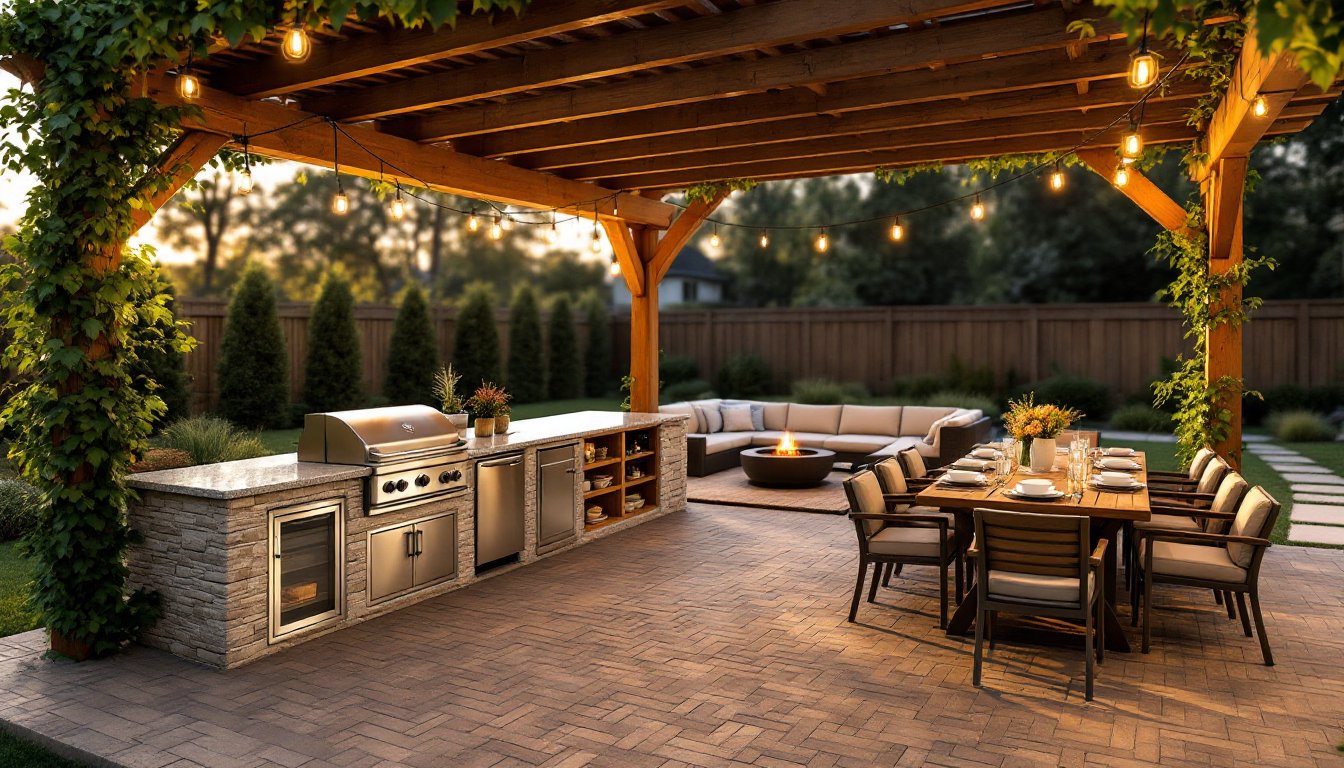
Lighting matters, especially for evening setups. String lights (Edison bulbs or globe LEDs) strung between fence posts, trees, or shepherd’s hooks create ambient glow without glare. Aim for 2700K to 3000K color temperature for warm, flattering light. Battery-powered or solar options eliminate the need to run extension cords across the lawn. For table-level illumination, use flameless LED candles in hurricane lanterns, they won’t tip over or attract bugs like real candles.
Ground conditions matter more than most people think. If the lawn is uneven or recently aerated, lay down interlocking foam tiles or outdoor rugs to create a level, comfortable base. This also protects blankets from mud and makes cleanup faster.
Easy and Delicious Picnic Menu Ideas
Backyard picnics benefit from the same menu planning as any outdoor meal: minimal last-minute cooking, easy portability, and foods that hold up at room temp for at least an hour. Focus on finger foods, salads, and shareable mains that don’t require constant refrigeration or reheating.
Protein options that travel well include rotisserie chicken (break it down into portions), grilled skewers (chicken, shrimp, or veggie), and charcuterie. For a vegetarian centerpiece, try stuffed bell peppers, caprese skewers, or grain bowls with quinoa, roasted vegetables, and tahini dressing.
Sides should be sturdy. Pasta salads with vinaigrette-based dressings (not mayo-heavy) hold up better in warm weather. Coleslaw, bean salads, and roasted vegetable platters all work. Skip anything with leafy greens unless it’s served immediately, they wilt fast.
Drinks are easier than you’d think. Fill a galvanized tub or cooler with ice and stock it with canned wine, sparkling water, lemonade, or iced tea. For a bit of flair, pre-batch cocktails or mocktails in glass dispensers with spigots (1 to 2.5 gallons capacity). Mint lemonade, strawberry agua fresca, or sangria all work well. Keep cups, napkins, and utensils in a caddy or vintage crate for easy access.
No-Cook and Make-Ahead Options
The less time spent grilling or assembling on-site, the better. No-cook options include:
- Charcuterie boards: Cured meats, aged cheeses (hard cheeses like manchego or aged cheddar handle heat better than brie), crackers, nuts, olives, and fruit. Assemble on a wooden cutting board or slate tile.
- Wraps and sandwiches: Tortilla wraps hold up better than sliced bread. Use spreads like hummus or pesto instead of mayo to prevent sogginess.
- Dips and crudité: Hummus, baba ganoush, tzatziki, or bean dips with sliced vegetables, pita chips, or breadsticks.
- Fruit platters: Watermelon, grapes, berries, and melon cubes. Store in airtight containers until serving.
Make-ahead dishes that can be prepped a day or two in advance include pasta salad, potato salad (vinegar-based versions are safer than mayo-based in heat), marinated vegetables, and baked goods like brownies, cookies, or lemon bars. Store these in the fridge and transport in insulated bags with ice packs.
For those looking to streamline even further, some companies now offer pop-up picnic packages that deliver pre-styled setups with food included, useful for special occasions when DIY feels like too much.
DIY Decor and Ambiance Enhancements
Decor doesn’t have to be complicated or expensive. The goal is to create intentional atmosphere without turning the backyard into a wedding reception.
Start with textiles. Layering blankets, outdoor pillows, and table runners in coordinating colors (think earth tones, pastels, or bold jewel tones depending on season) adds visual interest. Outdoor-rated fabrics like solution-dyed acrylic resist fading and mildew.
Centerpieces can be as simple as mason jars filled with wildflowers, potted herbs, or succulents. For evening picnics, cluster pillar candles of varying heights on a tray or use lanterns. Avoid anything too tall that blocks sightlines across the table.
If the yard has existing landscaping, use it. Drape string lights through tree branches, hang paper lanterns from pergola beams, or use shepherd’s hooks to suspend hanging planters around the picnic area. A well-executed landscape design can make decor feel effortless.
Signage and small touches elevate the experience. Chalkboard signs for menu items, hand-lettered place cards, or a small wooden easel with the event name add a custom feel. Use woven baskets or galvanized buckets to corral utensils, napkins, or condiments, these double as decor and organization.
For a more permanent setup, consider building a simple picnic table from pressure-treated 2×6 and 2×4 lumber. Standard dimensions are 6 feet long, 29 inches wide, with a 30-inch table height and 17-inch bench height. Seal with exterior wood stain or paint. This is a weekend project that pays off over multiple seasons.
Activities and Entertainment for All Ages
A good backyard picnic doesn’t need a full agenda, but having a few low-effort activities on hand keeps guests engaged, especially kids.
Lawn games are the obvious choice. Cornhole, bocce ball, horseshoes, and giant Jenga all work well and require minimal setup. For families with young kids, a bubble station (buckets of soapy water and wands) or sidewalk chalk keeps them occupied. Older kids and adults appreciate card games (Uno, poker, or trivia decks) or portable board games that don’t have too many small pieces.
Music sets the mood but shouldn’t dominate conversation. A portable Bluetooth speaker (look for models with 10+ hour battery life and IPX5 or higher water resistance) placed off to the side works better than a central sound system. Create a playlist ahead of time, acoustic, jazz, or instrumental tracks keep things relaxed without demanding attention.
For evening picnics, consider a projector and outdoor screen setup. A basic 720p or 1080p projector (around 3000 to 4000 lumens for outdoor use) can be mounted on a tripod or placed on a table. Pair it with a portable screen or a white sheet hung between two posts. This turns the picnic into a backyard movie night. Just make sure to check local noise ordinances if using amplified sound after dark.
If the backyard has already undergone a full makeover, features like fire pits, water features, or built-in seating areas naturally become activity hubs. S’mores kits, storytelling, or just gathering around a fire extend the picnic well into the evening.
Weather-Proofing Your Backyard Picnic
Weather is the wildcard. Planning for sun, wind, and rain keeps a picnic from turning into a scramble.
Sun protection is essential, especially between 10 a.m. and 4 p.m. A pop-up canopy is the fastest solution, but for a more permanent fix, install a shade sail (triangular or square fabric tensioned between anchor points). These come in UV-rated polyethylene or acrylic and block 90 to 98 percent of UV rays. Mounting hardware typically includes turnbuckles and eye bolts anchored to posts, fence tops, or exterior walls. Make sure anchor points can handle 200 to 300 pounds of tension per corner.
For wind, stake everything down. Canopies need ground stakes or weight bags (at least 20 pounds per leg). Tablecloths should be secured with clips or weights. Lightweight decor like paper lanterns or signs should be tied down or brought inside if gusts pick up.
Rain is trickier. If there’s no covered patio or gazebo, have a backup plan. Waterproof tarps, a large market umbrella (9 to 11 feet), or even moving the picnic under a carport works in a pinch. Keep a budget-friendly makeover mindset, investing in a retractable awning or permanent pergola with a polycarbonate roof panel insert can make future picnics rain-proof.
Temperature swings matter too. If it’s a cool evening, have fleece blankets or a portable propane patio heater on standby. In heat, keep food in insulated coolers with ice packs and serve in smaller portions to avoid leaving perishables out for more than an hour. According to Better Homes & Gardens, maintaining food safety outdoors means keeping cold foods below 40°F and hot foods above 140°F, anything in between for over two hours is a risk.
Bugs are inevitable. Citronella candles, oscillating fans (mosquitoes struggle in moving air), and mesh food covers keep pests at bay. For serious mosquito problems, consider a perimeter spray treatment a day or two before the event.
Conclusion
Backyard picnics don’t require a massive budget or a design degree, just a willingness to rethink how outdoor space gets used. With the right setup, menu planning, and weather prep, homeowners can create a dining experience that’s equal parts comfortable and memorable. The best part? Everything’s already at home, so there’s no packing up the car or fighting for parking. Just walk outside, sit down, and eat.