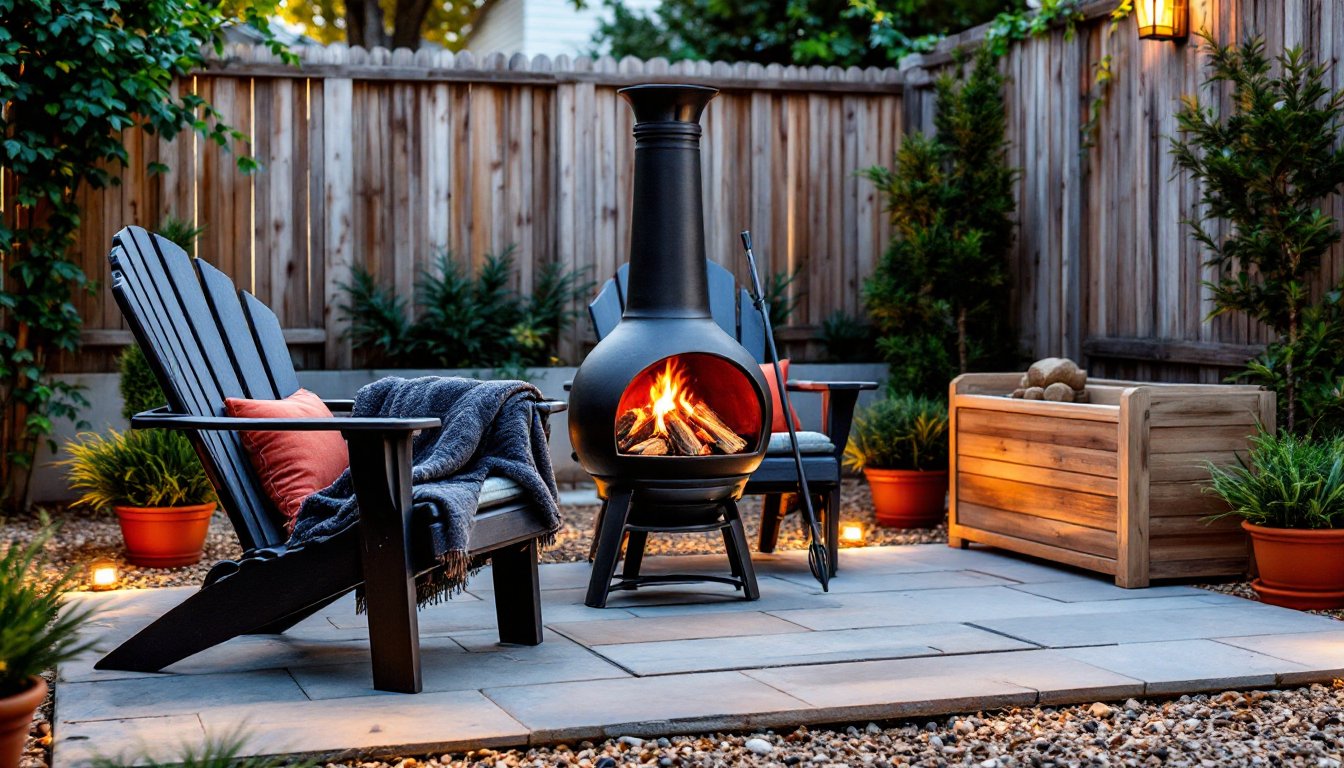

A fire pit crackling at dusk. Gentle movement of a swing under the stars. Put them together, and you’ve got a backyard setup that turns ordinary evenings into something guests won’t stop talking about. The combination isn’t just about aesthetics, it’s about creating a functional outdoor space that invites lingering. Whether you’re working with a sprawling quarter-acre or a compact suburban lot, pairing swings with a fire pit requires thoughtful planning around safety clearances, material selection, and layout. This guide walks through practical fire pit styles, swing options, and design considerations to help you build a retreat that’s both safe and genuinely usable.
Table of Contents
ToggleKey Takeaways
- Backyard fire pit ideas with swings combine movement and warmth to create an inviting outdoor retreat that’s both functional and visually interesting, turning standard seating into an engaging social space.
- Maintain a safe 8-12 foot distance between swings and fire pit edges, ensure a 10-foot clear radius around the fire pit free of structures and overhanging branches, and always follow local fire codes before installation.
- Choose your fire pit style based on maintenance needs and budget: portable metal pits ($200-$600) for DIY flexibility, gas pits ($800-$2,500) for safety near fabric, or masonry installations ($1,200-$3,000) for permanence.
- Pair your fire pit with swing options suited to your space, such as A-frame porch swings, egg chairs, or bench swings with weather-resistant canopies, ensuring proper anchoring and seasonal hardware inspections.
- Position swings upwind of your fire pit based on prevailing wind direction, add proper ground surface (gravel, pavers, or concrete), and install solar path lights to prevent collisions in low-light conditions.
- Enhance your backyard fire pit and swing area with defined gravel pads, string lights, low stone windbreaks, weather-resistant cushions, and low-maintenance plantings like ornamental grasses and sedums kept at least 5 feet from flames.
Why Combine Fire Pits and Swings in Your Backyard?
The pairing solves a common outdoor space problem: static seating gets boring. Traditional patio chairs force everyone into a circle facing inward, but swings introduce movement and flexibility. Kids use them during the day: adults claim them at night with a drink in hand.
From a design standpoint, swings add vertical interest without blocking sightlines the way pergolas or pavilions can. A well-placed swing draws the eye upward and creates natural zones within your yard. Fire pits anchor the space and extend usability into cooler months, critical in most U.S. climates where outdoor seasons are short.
There’s also a practical comfort factor. Swings with backs and armrests beat most camp chairs for long conversations. Pair that with radiant heat from a fire, and you’ve created a spot people actually want to use, not just photograph for social media.
Choosing the Right Fire Pit Style for Your Swing Setup
In-ground fire pits offer the lowest profile and greatest stability. Dig a pit 12-18 inches deep, line it with firebrick or a steel ring, and surround it with pavers or stone. This style works well if swings will be close (6-8 feet away) because flames stay contained below grade. Drawback: they require more excavation and drainage planning, especially in clay-heavy soils.
Above-ground metal fire pits (steel or cast iron) are the go-to for DIYers. A 36-inch diameter bowl provides enough heat for a 12-15 foot radius without overwhelming a small yard. Look for models with spark screens, essential when swings introduce fabric cushions and rope into the equation. These are portable, so you can adjust placement as your layout evolves.
Gas fire pits (propane or natural gas) deliver instant ignition and adjustable flames without sparks or flying embers, a major plus near swings with rope or chain hardware. They require a gas line installation or tank storage, but cleanup is nonexistent. Expect to spend $800-$2,500 for a quality gas setup, versus $200-$600 for a wood-burning metal pit.
Masonry fire pits (brick, stone, or concrete block) are permanent installations that can incorporate built-in seating or curved walls to shelter swings from wind. They’re heavy enough to resist tipping if a swing chain accidentally catches the edge. DIY builds require a concrete footer and firebrick lining. If you’re not comfortable with mortar work, this is a hire-out project.
Wood-burning pits work well for traditional campfire ambiance, but they produce more smoke and embers than gas alternatives. If your swings use natural-fiber rope, keep them at least 10 feet from a wood-burning fire to avoid stray sparks.
Swing Options That Pair Perfectly with Fire Pits
Porch swings on freestanding A-frames are the most versatile. A standard frame uses 4×4 posts and can be relocated without digging. Look for frames with a 400-500 lb capacity, critical if you’re hanging a heavy wooden swing or seating multiple adults. Cedar and pressure-treated pine hold up outdoors: powder-coated steel frames need less maintenance but cost more ($300-$700 vs. $150-$400 for wood).
Hanging egg chairs or pod swings bring a modern look and cocooning comfort. They require a single overhead anchor point, either a pergola beam, a tree limb at least 8 inches in diameter, or a dedicated steel post set in concrete. These swings sit higher off the ground, so clearance from fire pits should be at least 8 feet to keep feet and fabric away from heat.
Bench swings with canopies offer weather protection but add height and bulk. If you’re installing one near a fire pit, choose a canopy made from solution-dyed acrylic or polyester rather than untreated canvas, which can scorch. Canopy frames should be powder-coated steel, and guy wires (if used) must be positioned where they won’t become trip hazards in low light.
DIY tire or rope swings are budget-friendly and nostalgic, but they’re better suited to areas farther from the fire pit. Rubber and natural rope both emit unpleasant fumes if they overheat. If you’re set on a rope swing, use synthetic marine-grade rope (polyester or nylon) and keep it at least 12 feet from open flames.
Whatever style you choose, inspect hardware every season. Chains, S-hooks, and eye bolts corrode faster in damp climates or when exposed to smoke and ash. Stainless steel or galvanized hardware lasts longest.
Layout and Safety Considerations for Fire Pit Swing Areas
Clearance zones are non-negotiable. Most fire pit manufacturers recommend a 10-foot radius clear of structures, overhanging branches, and combustible materials. Swings should sit just outside this zone, 8-12 feet from the fire pit’s edge is a sweet spot that balances warmth and safety.
Check local fire codes and ordinances before digging or pouring concrete. Many municipalities restrict fire pit placement within 15-25 feet of property lines or structures. Some ban wood-burning pits entirely in urban areas. A quick call to your local building department saves headaches later.
Ground surface matters. Place fire pits on gravel, pavers, or concrete, never directly on grass, wood decking, or mulch. Swings need stable footing, too. If you’re setting posts for a freestanding frame, dig 24-30 inches deep (below frost line in cold climates) and use fast-setting concrete or crushed stone with compacted fill.
Think about traffic flow. Swings in motion need about 6 feet of clearance behind and in front to avoid collisions. Position them so the swing arc doesn’t cross the path between the house and fire pit. Add solar path lights or low-voltage LED strips along walkways, people carrying firewood or s’mores supplies won’t see a moving swing in the dark.
Wind direction affects smoke and comfort. In most of the U.S., prevailing winds blow west to east. Position swings upwind (typically west or northwest) of the fire pit so smoke drifts away. If your yard has quirky microclimates, observe where leaves and debris collect, that’s your downwind zone.
PPE reminder: Anyone tending the fire should wear closed-toe shoes and keep a fire extinguisher or garden hose within 20 feet. If you’re using a gas fire pit, install it per manufacturer specs and check connections with soapy water for leaks before first use.
DIY vs. Professional Installation: What’s Best for You?
DIY-friendly projects include portable metal fire pits, freestanding swing frames, and simple paver patios. If you can level ground, mix concrete, and follow assembly instructions, you’ll save $500-$1,500 in labor. A basic setup, metal fire pit, gravel base, and a wood A-frame swing, can be completed in a weekend with a helper.
Installing a gas fire pit crosses into hire-out territory unless you’re experienced with gas line work. Most jurisdictions require a licensed plumber or gas fitter to run natural gas lines, and inspections are mandatory. Propane setups are more DIY-accessible, but you’ll still need to follow manufacturer specs for clearances and ventilation.
Masonry fire pits demand more skill. If you’ve never laid brick or worked with mortar, hire a mason. A poorly built fire pit can crack after one freeze-thaw cycle, or worse, collapse mid-use. Expect to pay $1,200-$3,000 for a custom masonry installation, depending on size and materials.
Hanging swings from existing structures, decks, pergolas, or trees, requires solid anchor points. Deck joists should be 2×8 or larger and in good condition (no rot or insect damage). Pergola beams need to be rated for the load, and tree limbs should be inspected by an arborist if there’s any question about health or diameter. If you’re not confident assessing structural integrity, bring in a contractor.
Permits aren’t usually required for portable fire pits or freestanding swings, but permanent installations (in-ground pits, gas lines, concrete footers) often trigger permit requirements. Check with your local building department before breaking ground. The fee is typically $50-$150, and it ensures your project meets code, important for insurance and resale.
One common mistake in many outdoor transformations is underestimating the grading and drainage work needed for fire pit areas.
Design Ideas to Enhance Your Fire Pit and Swing Space
Surround the fire pit with a gravel or decomposed granite pad extending 3-4 feet beyond the pit’s edge. This creates a defined zone, improves drainage, and prevents mud. Edge it with steel or aluminum landscape edging for clean lines.
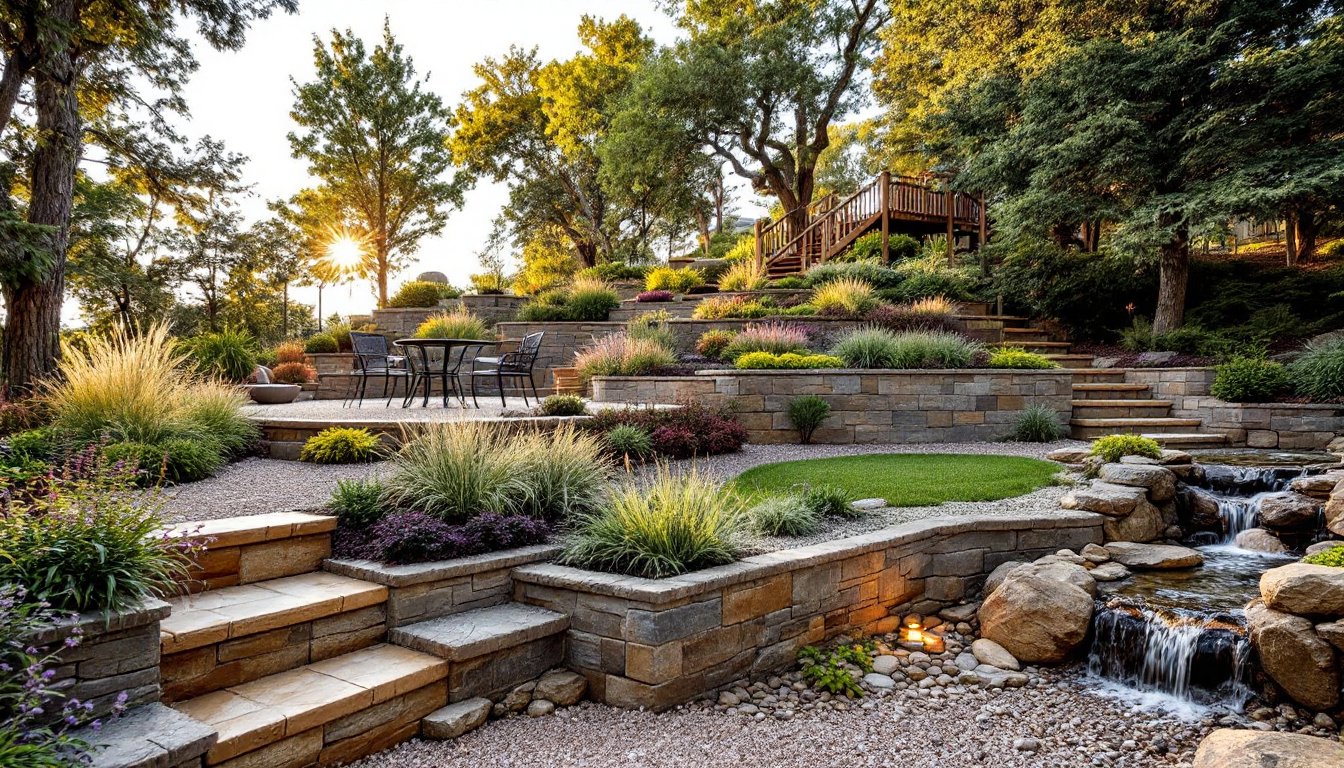
Add a low stone or block wall on one side to create a windbreak and provide extra seating when the swings are occupied. Cap the wall with smooth flagstone for comfort. Keep wall height under 18 inches so it doesn’t block sightlines or heat circulation.
Integrating string lights or bistro bulbs overhead ties the swing and fire pit areas together visually. Hang them from poles, trees, or a simple cable system strung between posts. Use LED bulbs to reduce heat and energy draw. Outdoor lighting also addresses practical concerns noted in many landscape design projects, where safety and ambiance go hand-in-hand.
Plant low-maintenance perennials around the perimeter, ornamental grasses, sedums, or lavender, to soften hardscaping without creating a fire hazard. Keep plantings at least 5 feet from the fire pit and avoid anything with high resin content (like junipers).
Use weather-resistant cushions and throws on swings, but store them indoors or in a deck box when not in use. Even outdoor-rated fabrics degrade faster when exposed to smoke, UV, and moisture. Sunbrella and similar solution-dyed acrylics resist fading and mildew better than untreated cotton or polyester.
For a finished look, many homeowners incorporate natural elements discussed in design-focused outdoor updates like stone pathways or raised planting beds.
Consider a small side table or built-in ledge between swings for drinks and snacks. A simple design: two concrete pavers stacked and topped with a weathered wood plank. If you’re feeling ambitious, pour a small concrete side table and embed a tile mosaic or river rock finish.
Several design publications, including Country Living, showcase how rustic materials like reclaimed wood and galvanized metal pair well with fire pit areas. Similarly, resources like The Spruce offer seasonal updates on outdoor furniture and fire pit maintenance that align with the natural wear these setups experience. Meanwhile, Gardenista highlights how thoughtful plant selection around fire features can enhance both safety and visual appeal.
Conclusion
A backyard fire pit paired with swings isn’t just a design trend, it’s a functional upgrade that makes outdoor space more livable. Focus on safety clearances, choose materials that suit your climate and maintenance tolerance, and don’t skip the ground prep. Whether you’re DIYing a simple setup or hiring out a custom masonry installation, the result is a space that works as hard as it looks good.