
In a world where outdoor space is often a luxury, small yards can feel like a cozy prison. But what if he could turn that tiny patch of grass into a personal paradise? Small yard expansion isn’t just a dream—it’s a clever way to maximize every square inch of outdoor bliss. With a sprinkle of creativity and a dash of elbow grease, even the most compact yard can transform into a vibrant oasis.
Table of Contents
ToggleUnderstanding Small Yard Expansion
Expanding a small yard provides homeowners with the opportunity to enhance their outdoor living space. This process allows for creativity in design and functionality.
Benefits of Expanding Your Yard
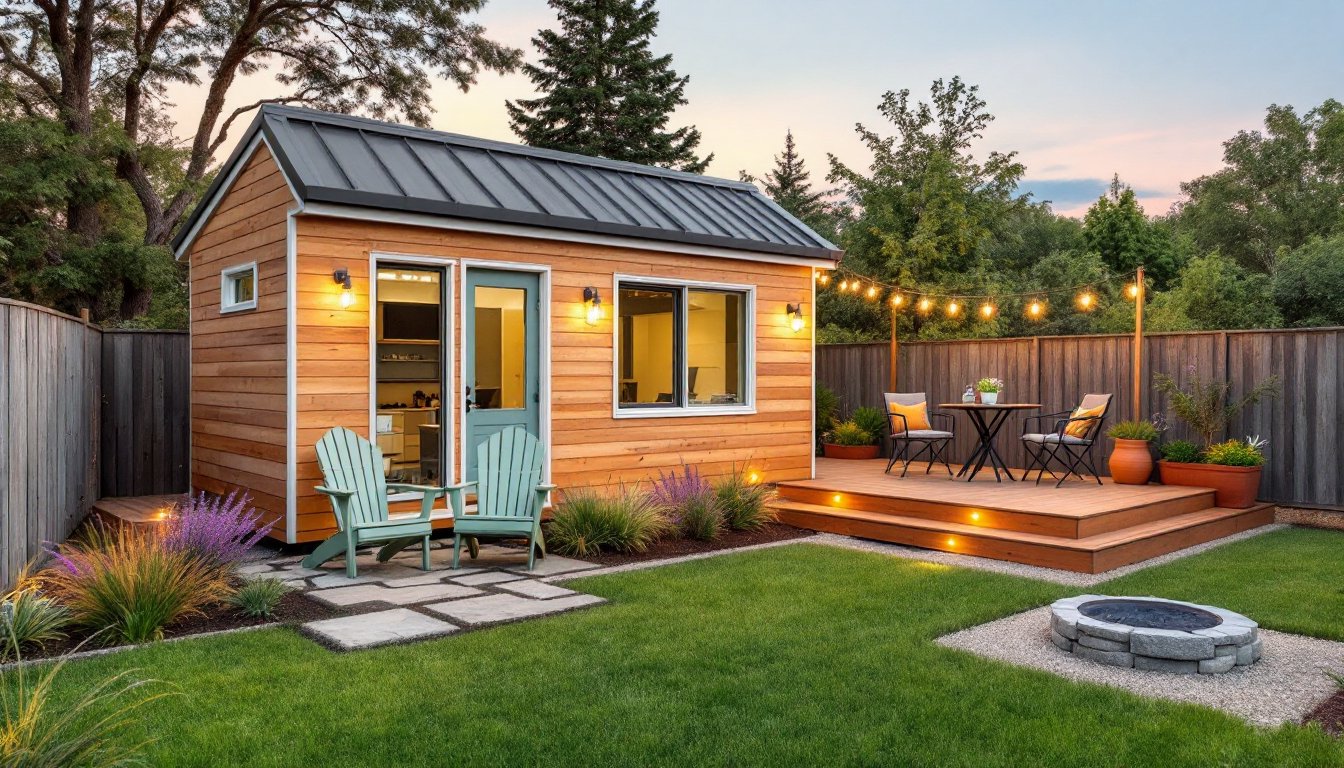
Increased outdoor space can lead to greater enjoyment. Homeowners often find that expanded yards provide ample room for entertaining, gardening, or relaxing. A larger area boosts property value, making it a worthy investment. Additional greenery contributes to environmental benefits, such as improved air quality and habitat for wildlife. Larger yards can accommodate features like patios, fire pits, or play areas, enhancing overall lifestyle.
Considerations Before Starting
Before expanding, assess local regulations and zoning restrictions. Understanding the limitations helps avoid potential complications. Budgeting for the project is crucial; materials and labor costs vary widely. Evaluate the existing landscape for potential challenges, such as drainage issues or existing trees. Analyze personal preferences and intended uses for the space to ensure a purposeful design. Planning and research establish a foundation for successful yard expansion.
Planning Your Small Yard Expansion
Planning a small yard expansion involves strategic choices. Homeowners should consider how to make the best use of their limited space while enhancing functionality and aesthetics.
Choosing the Right Design
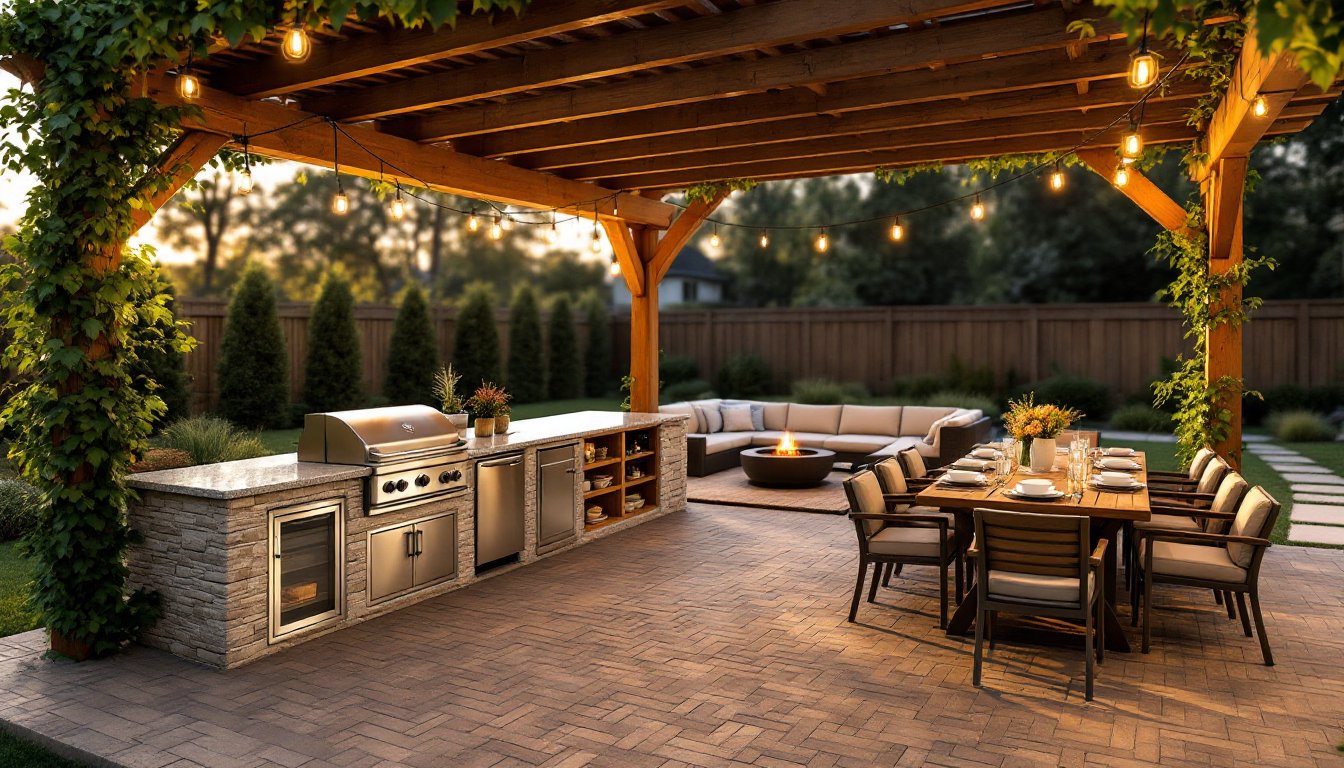
Selecting an appropriate design elevates the yard’s look and feel. Start by considering layout options like vertical gardens, compact seating areas, or built-in planters. Opt for multifunctional furniture to maximize usability. Incorporate materials that blend with the existing landscape. Visual appeal increases with elements such as pathways or borders that define different zones. Some designs include features like pergolas or trellises, adding height and interest without occupying much ground area. Homeowners enjoy personalized aesthetics while creating an inviting atmosphere for relaxation or entertainment.
Budgeting for Your Project
Establishing a realistic budget streamlines the expansion process. Begin by outlining specific costs like materials, labor, and permits. Extract quotes from multiple contractors to gauge the market rate. Prioritize spending on high-impact features that enhance outdoor enjoyment. Allocating funds for landscaping and amenities adds value to the property. Factor in potential maintenance costs, ensuring the chosen design remains sustainable over time. Financial planning enables homeowners to make informed decisions, avoiding unexpected expenses that may derail the project.
Implementing Your Small Yard Expansion
Implementing a small yard expansion requires careful consideration between DIY efforts and professional help. Homeowners can evaluate their skills and desired outcome when deciding.
DIY vs. Hiring Professionals
Choosing between DIY and hiring professionals depends on project complexity. Many homeowners prefer DIY for simple tasks like planting or installing small features, as it saves money and allows for personal expression. In contrast, extensive structural changes or landscaping alterations often require professional expertise. Relying on professionals ensures compliance with local regulations and access to advanced tools. Homeowners should take time to assess their capabilities and consider their comfort level with each task.
Essential Tools and Materials
Gathering essential tools and materials streamlines the expansion process. Basic tools like shovels, rakes, and trowels should be on hand for digging and planting. Measuring tapes help ensure accurate layout planning. Additionally, homeowners benefit from wheelbarrows for transporting soil and plants. When it comes to materials, selecting quality soil, mulch, and plants tailored to the climate enhances growth. Homeowners gain from sourcing durable materials for features such as stones or wood for patios and borders. Proper preparation combined with the right tools sets the stage for a successful small yard expansion.
Landscaping Ideas for Small Yards
Maximizing a small yard’s potential requires creativity. Vertical gardening offers an effective solution, allowing homeowners to use wall space for growing plants. Raised garden beds can also optimize space usage; they provide structured areas for vegetables and flowers while allowing for easier maintenance.
Incorporating multifunctional furniture enhances usability. Benches with storage serve a dual purpose, providing seating and space for outdoor essentials. Consider folding chairs or compact dining sets to accommodate gatherings without overcrowding.
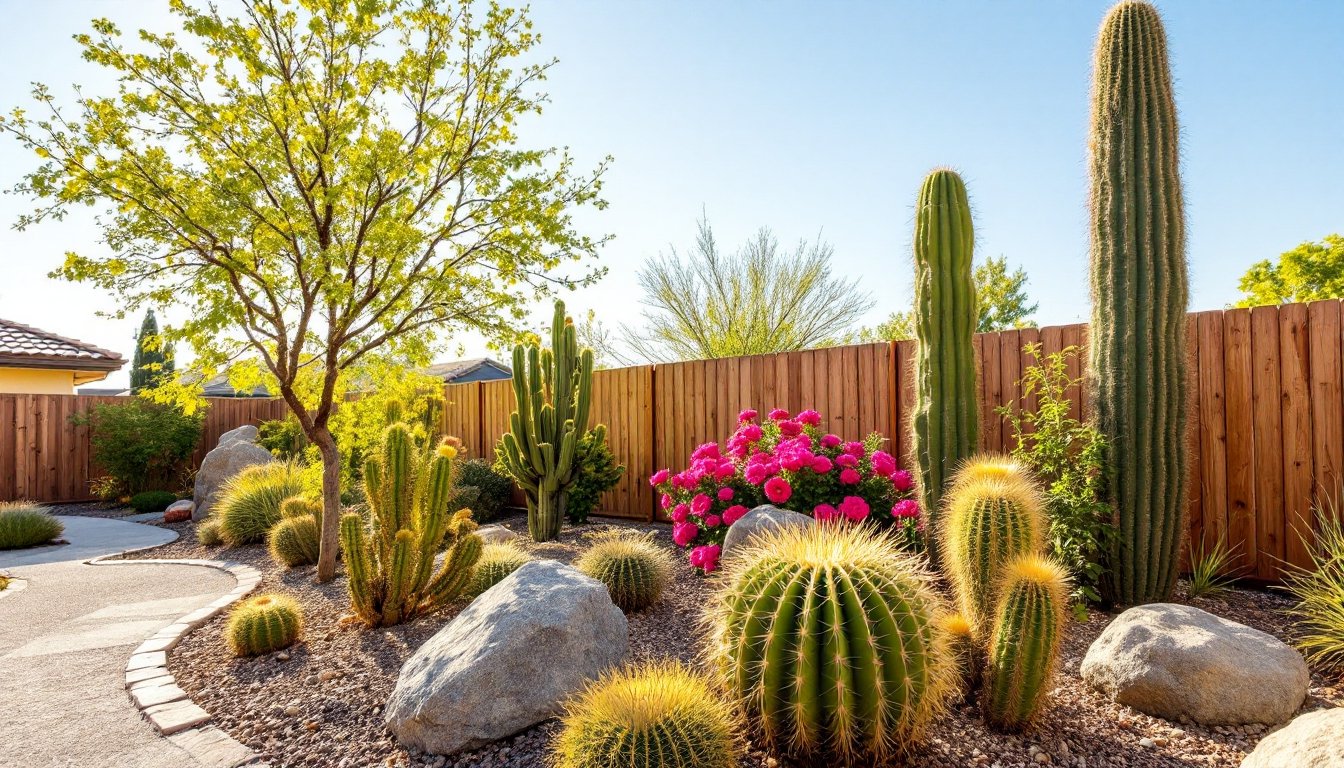
Using plants strategically contributes to both aesthetics and space enhancement. Opt for native species that require less maintenance and water, promoting eco-friendly landscaping. Incorporate colorful flower beds along borders to create visual interest without consuming too much space.
Pathways help define areas; use stepping stones or gravel to establish a clear route through the yard. This pathway not only organizes the space but also enhances the yard’s overall design.
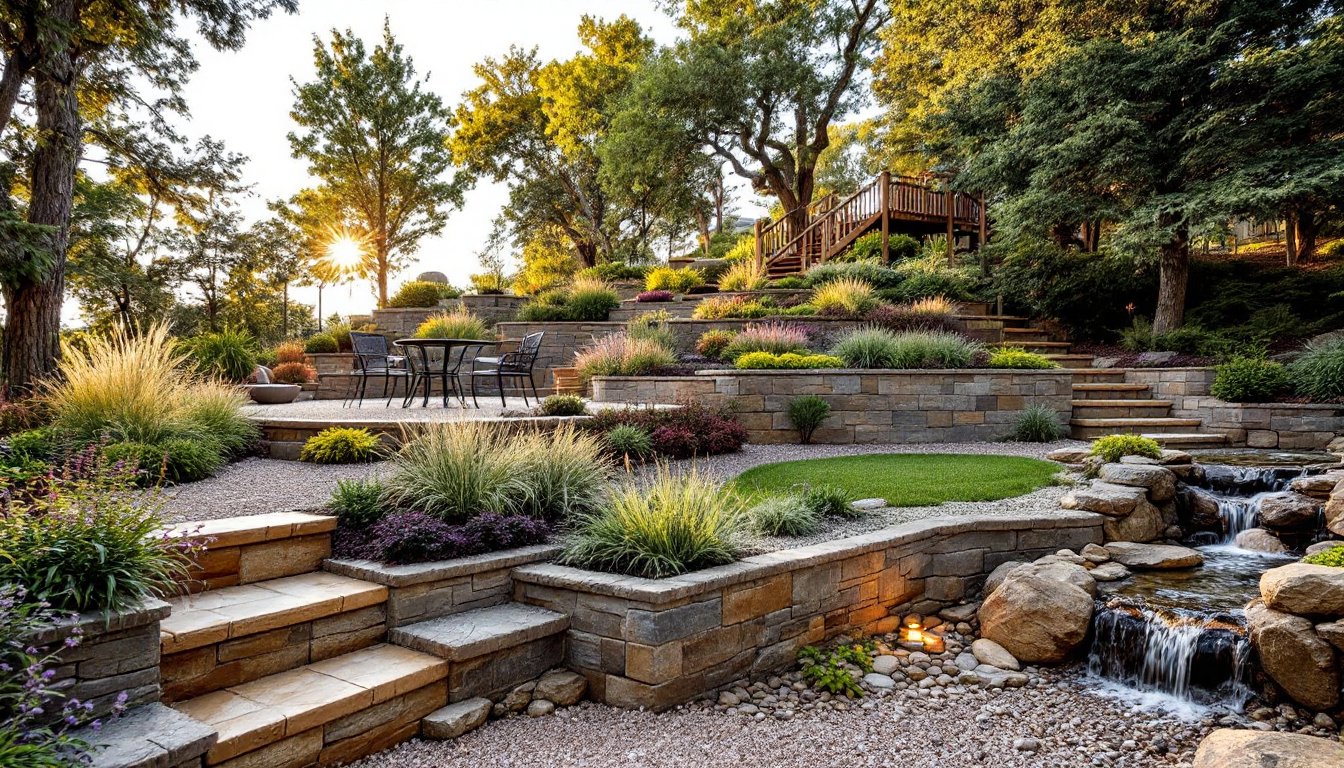
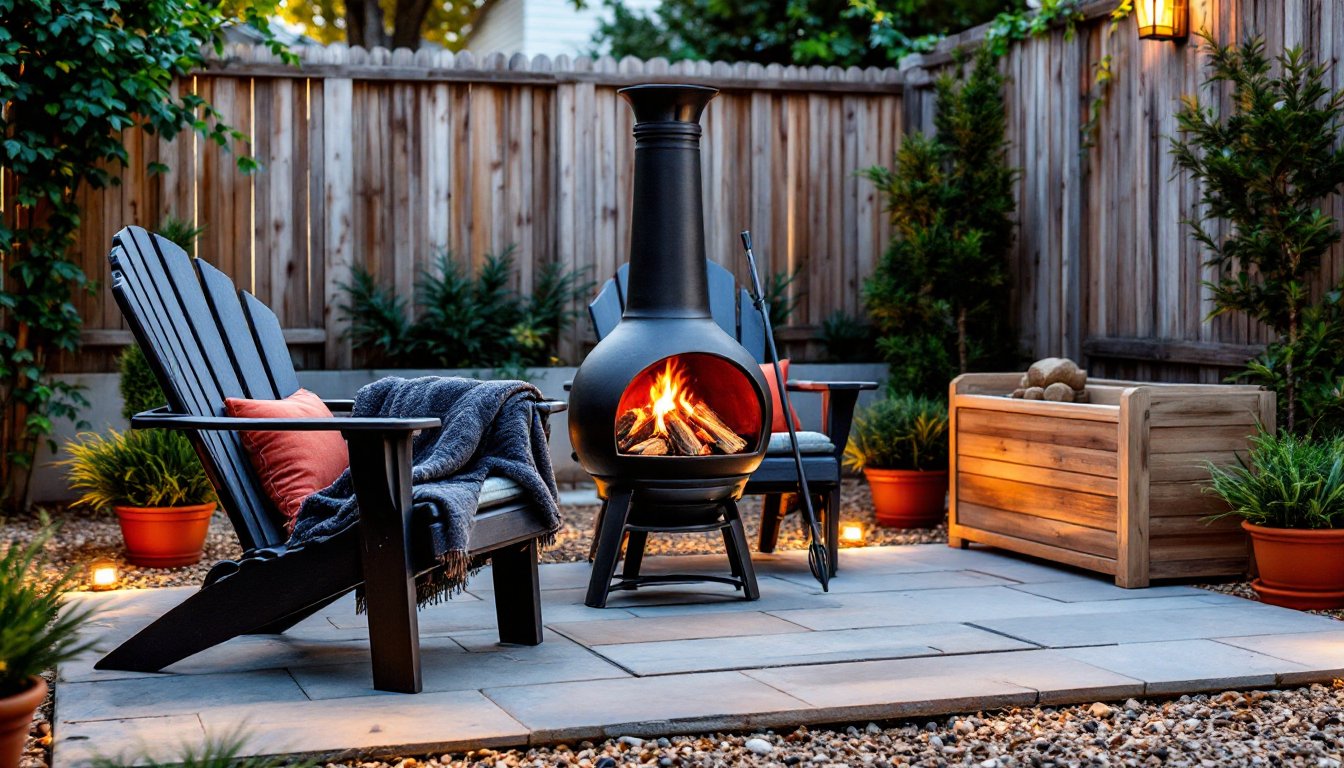
Adding features like small water elements or fire pits adds charm. These elements create focal points that draw the eye, making the space feel more inviting. Ensure that any additions blend seamlessly into the existing landscape design to maintain harmony.
Decorative containers can help. Use pots of various sizes to create levels, adding depth to the design. Integrating outdoor art, such as sculptures or wall hangings, provides a personalized touch.
Lighting plays a crucial role; solar-powered lights can illuminate pathways and highlight specific plants. Proper illumination enhances nighttime enjoyment, making the yard usable even after sunset.
By considering these landscaping ideas, homeowners can transform small yards into functional, appealing outdoor spaces that reflect their unique style while maximizing every inch available.
Conclusion
Transforming a small yard into an inviting outdoor oasis is entirely achievable with thoughtful planning and creativity. By embracing the concept of small yard expansion, homeowners can significantly enhance their living space while adding both beauty and functionality.
Whether it’s through vertical gardens or multifunctional furniture, every choice can maximize usability without compromising style. Proper budgeting and understanding local regulations are key to ensuring a smooth process.
With the right approach, a small yard can become a vibrant retreat that reflects personal tastes and lifestyle needs. Investing time and effort into this transformation not only elevates outdoor enjoyment but also adds value to the property.