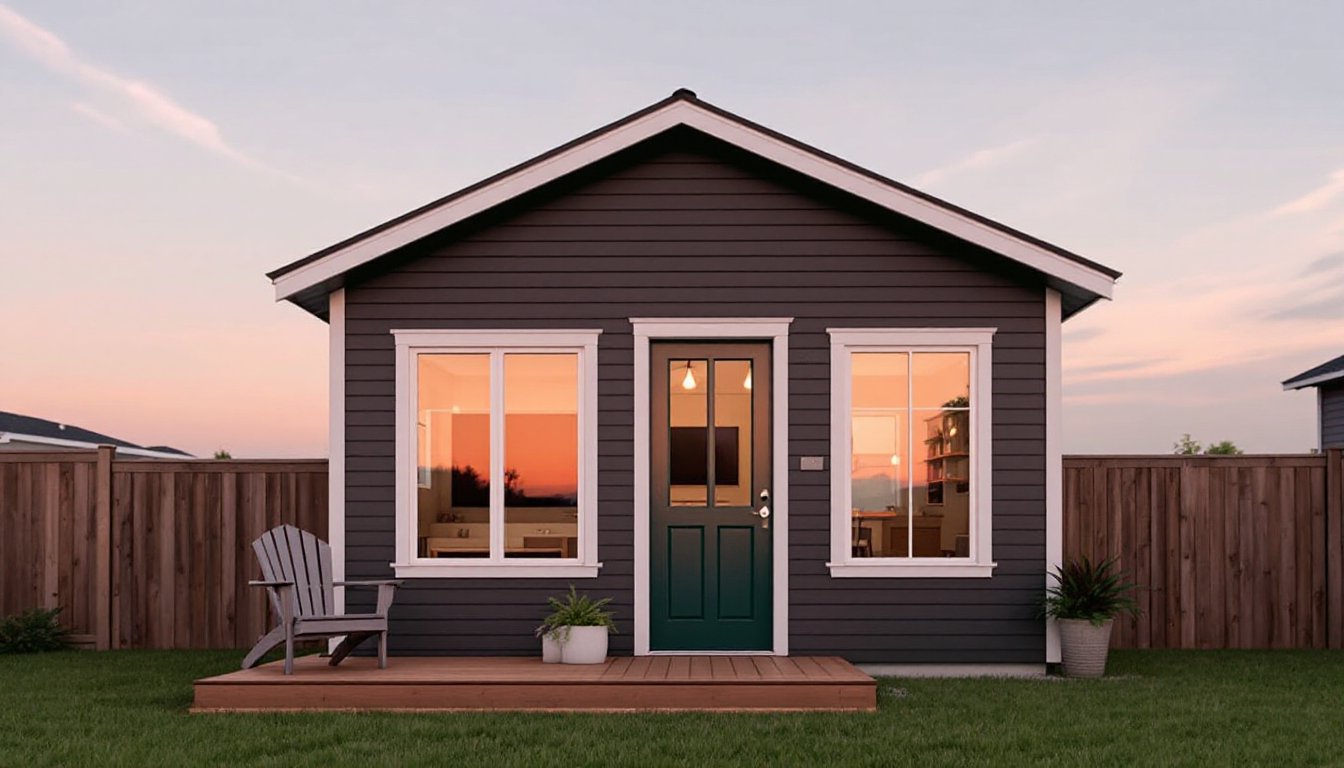
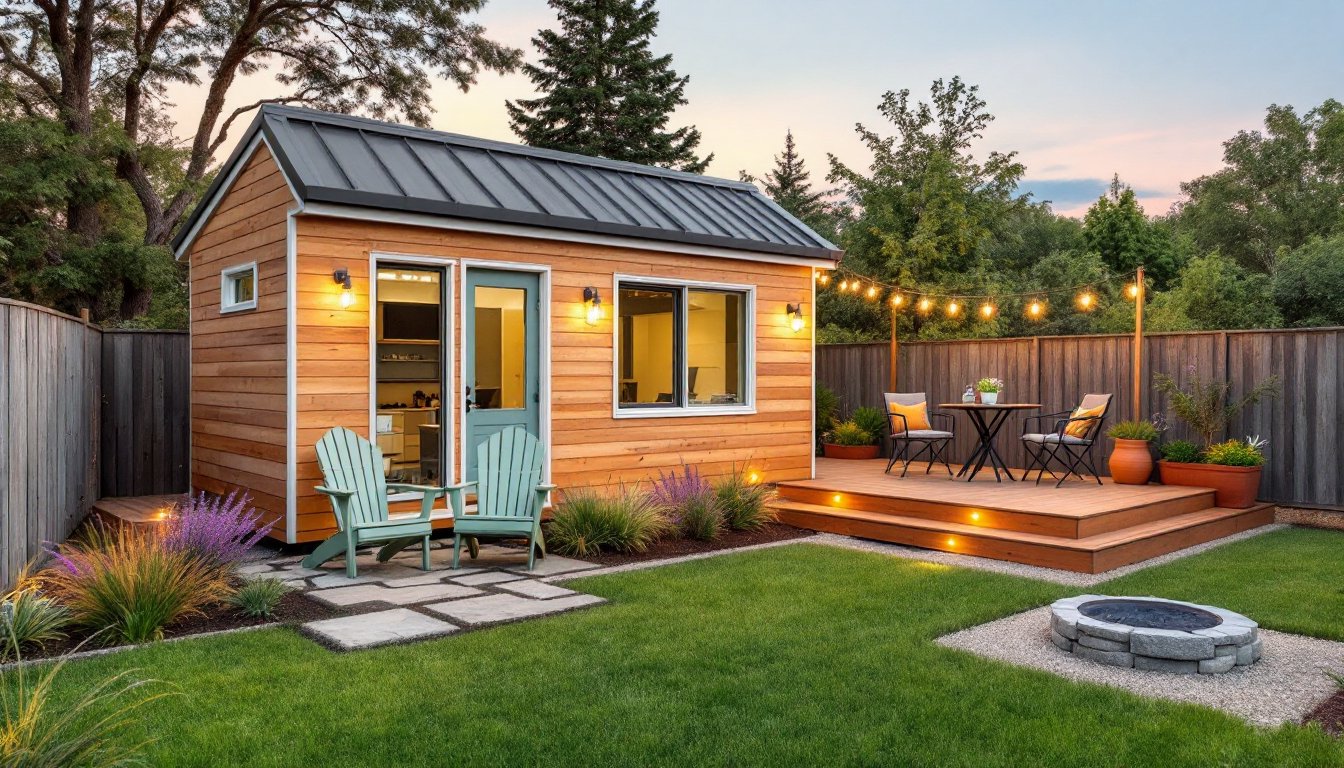
A backyard rental can generate serious income without the hassle of moving or buying a second property. Whether it’s a converted garage, a tiny home, or a safari tent tucked behind the fence, short-term rental guests are actively searching for unique, private spaces that traditional hotels can’t offer. The key is creating a space that feels intentional, comfortable, and separate from the main house, something worth paying for. This guide covers the most profitable backyard Airbnb setups, the amenities that drive bookings, and the design details that turn a simple structure into a five-star stay.
Table of Contents
ToggleKey Takeaways
- A modest 200-square-foot backyard Airbnb studio can generate $1,500–$3,000 per month in active markets, often paying for itself within a few years through short-term rental income.
- Prefab tiny homes and guest cottages are the highest-earning backyard rental options, ranging from $40,000–$100,000+ depending on size and finishes, with full amenities that justify premium guest rates.
- Essential amenities like a private bathroom, climate control (mini-split heat pump), WiFi, and a kitchenette dramatically increase booking rates and guest satisfaction.
- Permitting is non-negotiable—check local zoning rules early, especially for plumbing and electrical work, as unpermitted structures can cause issues during property sales or refinancing.
- Outdoor entertainment spaces like decks, patios, fire pits, and hot tubs transform a backyard Airbnb from a simple sleep space into a memorable destination worth booking.
Why Creating an Airbnb Backyard Space Is a Smart Investment
Building or converting a backyard structure for short-term rental offers flexibility that long-term tenants don’t. Hosts can adjust rates seasonally, block out dates for personal use, and pivot to different rental models if market conditions shift. In many cities, accessory dwelling units (ADUs) also increase overall property value, sometimes more than the construction cost, especially in high-demand neighborhoods.
Permit requirements vary widely. Some jurisdictions allow ADUs by right, while others require conditional use permits, parking provisions, or owner-occupancy clauses. Check with the local planning department early in the process. If the space will have plumbing or electrical work, pulling permits isn’t optional, it’s code. Inspectors will flag unpermitted work during future sales or refinancing.
From a revenue standpoint, even a modest 200-square-foot studio can generate $1,500–$3,000 per month in active markets, depending on location and seasonality. That often covers the financing on a prefab tiny home or shed conversion within a few years. Guests pay a premium for privacy, which a backyard unit delivers better than a spare bedroom inside the main house.
Tiny Homes and Guest Cottages: The Most Popular Backyard Rental Options
Prefab tiny homes and custom-built cottages consistently rank among the highest-earning backyard rental types. They offer full amenities, bathroom, kitchenette, sleeping loft or separate bedroom, in a footprint that typically ranges from 120 to 400 square feet. Most municipalities classify these as ADUs, which may have different setback and height requirements than primary dwellings.
Prefab models ship on a trailer (if mobile) or as modular panels for on-site assembly. Mobile tiny homes on RVIA-certified trailers can sometimes bypass ADU codes, but they may fall under RV or temporary structure rules instead, verify local zoning before purchase. Permanently anchored structures usually require a foundation (concrete slab, pier-and-beam, or helical piles) and standard permitting.
Budget for $40,000–$100,000+ depending on size, finishes, and site prep. That includes utility hookups: a 50-amp electrical service if the unit has a mini-split heat pump, a water line (often tapped from the main house), and sewer or septic connection. If the lot lacks sewer access, adding a composting toilet and graywater system can work, but check health department rules. Savvy hosts often incorporate outdoor entertaining spaces into their designs, extending usable area without adding square footage to the structure itself.
Converting Sheds, Garages, and ADUs Into Guest Spaces
An existing shed or detached garage offers a head start: walls, roof, and foundation are already in place. The challenge is bringing the structure up to code for habitable space. That typically means adding insulation (R-13 to R-19 in walls, R-30 to R-38 in ceilings for most climate zones), GFCI-protected outlets, egress windows (minimum 5.7 square feet of openable area, with sill height no higher than 44 inches above the floor), and proper ventilation.
Garage conversions often require pouring a new floor or adding a subfloor over the existing slab to accommodate insulation and level the surface. If the garage door opening will become a wall, framing with 2×4 or 2×6 studs at 16 inches on center is standard. Install a header sized for the span, check IRC span tables or consult a structural engineer if the opening exceeds 6 feet.
Plumbing is the biggest variable cost. Running a 3/4-inch PEX supply line and 3-inch ABS drain line underground from the main house can add $2,000–$5,000+ depending on distance and obstacles. A tankless electric water heater (budget around $400–$800 for the unit) works well in small spaces and avoids the standby loss of a tank model. Always install a shutoff valve and pressure regulator at the unit. Many backyard makeover projects include utility upgrades as part of the overall site improvement plan.
Glamping Setups: Yurts, Safari Tents, and Dome Structures
Glamping structures appeal to guests looking for an experience, not just a bed. Yurts, canvas safari tents, and geodesic domes offer a distinct aesthetic and can often be installed without the permitting required for permanent dwellings, though local rules vary. Some jurisdictions treat them as temporary structures (like an RV), while others require the same permits as a tiny home if they’re anchored and served by utilities.
Yurts range from 12 to 30 feet in diameter and typically sit on a wooden platform deck with 4×4 or 6×6 treated posts and 2×6 or 2×8 joists. The fabric wall and roof are tensioned over a lattice frame. Insulation options include reflective bubble wrap or quilted liners: in cold climates, a wood stove or propane heater is common. Most yurt manufacturers provide engineered plans that satisfy building departments.
Safari tents and dome structures follow similar principles: a durable platform, weather-resistant fabric or polycarbonate panels, and a way to manage condensation and temperature swings. Domes often use a powder-coated steel or aluminum frame with clear or opaque panels. They can feel spacious due to the curved ceiling, but furniture placement is trickier than in a rectangular room.
Utility hookups for glamping setups can be minimal, solar panels and a composting toilet keep costs down, but most guests expect at least electricity and running water. A 30-amp RV-style hookup and a 50-gallon freshwater tank with a 12-volt RV pump can provide enough power and water for a weekend stay. Effective landscape design choices help integrate glamping structures into the yard without looking like a campground dropped into suburbia.
Essential Amenities That Increase Your Booking Rate
Guests filter search results by amenities, so missing even one expected feature can drop a listing off the first page. At minimum, a backyard rental needs a private bathroom (no shared facilities with the main house), a sleeping area with a real mattress (not a futon or air mattress), climate control (heating and cooling), and WiFi. Kitchenettes aren’t mandatory, but a mini-fridge, microwave, and coffee maker significantly increase appeal.
Climate control is non-negotiable in most markets. A ductless mini-split heat pump (around $1,200–$2,500 installed for a single-zone 9,000–12,000 BTU unit) handles both heating and cooling quietly and efficiently. Window units are cheaper upfront but noisier and less efficient. If the space has no insulation, even the best HVAC won’t keep guests comfortable, address the building envelope first.
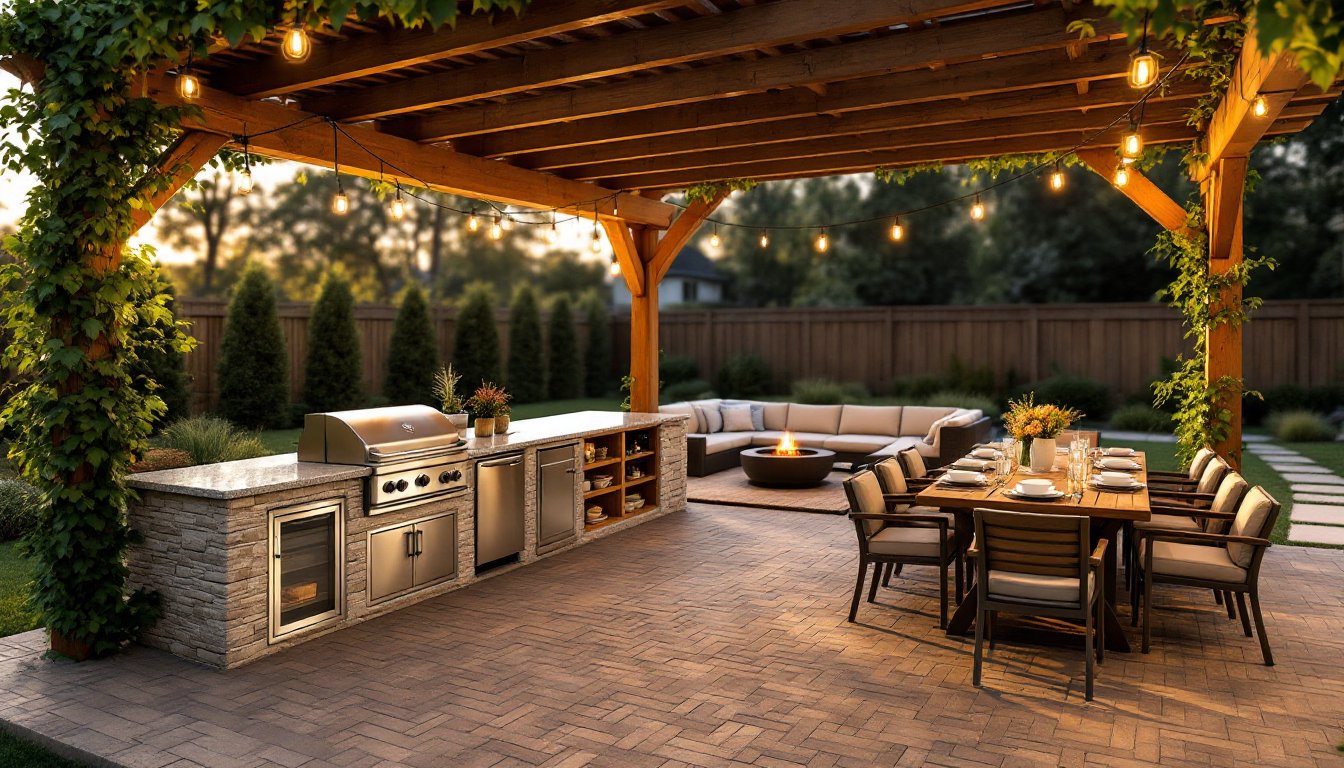
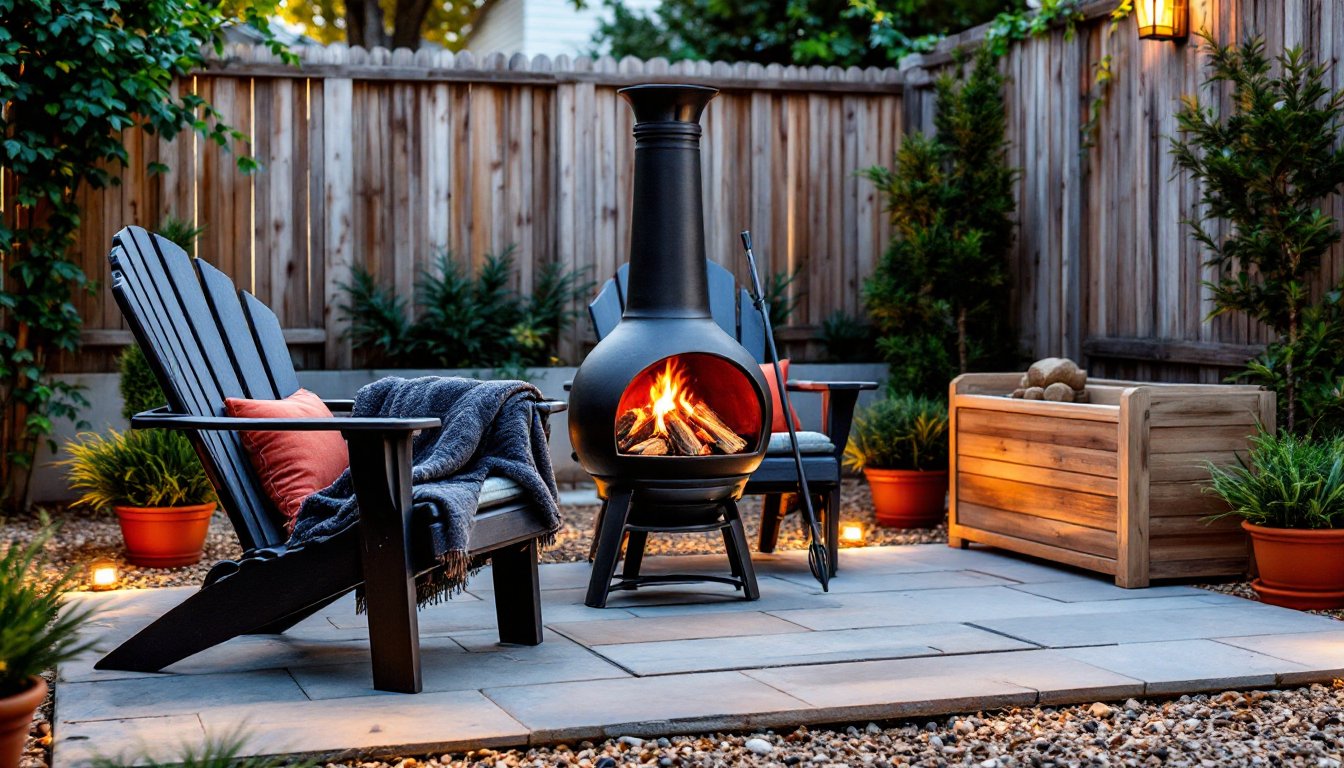
Outdoor space matters as much as the interior. A small deck or patio (even 8×10 feet) with seating and string lights turns the rental into a destination rather than just a place to sleep. Fire pits, outdoor showers, and hot tubs show up frequently in top-performing listings, though each adds maintenance and liability considerations. Always check local fire codes before installing a fire feature, and keep a 5-pound ABC fire extinguisher within reach. Thoughtful touches like a hammock area can turn a good listing into a memorable one.
Design and Decor Tips for a Five-Star Guest Experience
Guests judge a rental within seconds of stepping inside. Clean lines, neutral walls, and intentional decor signal that the space is well-maintained and thoughtfully designed. Skip the clutter, every item should serve a purpose or contribute to the aesthetic. A queen-size bed with a real frame (not just a mattress on the floor) and quality linens sets the baseline. Budget at least $300–$500 for a decent mattress: memory foam and hybrid models in the 10-to-12-inch range work well for most guests.
Lighting often gets overlooked. Overhead fixtures alone create harsh shadows and make spaces feel institutional. Layer in table lamps, wall sconces, or LED strip lighting under shelves or along baseboards. Dimmers add flexibility. If the space has limited natural light, paint walls in warm whites or soft grays to bounce available light around the room, avoid dark colors in small spaces.
Bathrooms require durable, easy-to-clean finishes. Ceramic or porcelain tile (12×24-inch planks are popular and hide grout lines better than small tiles) on floors and shower surrounds hold up to high turnover. A corner shower (32×32 or 36×36 inches) saves space compared to a tub. Install a low-flow showerhead (1.5–2.0 GPM) to manage water and energy costs. Include hooks, a shelf for toiletries, and a fan vented to the exterior, code requires it in any enclosed bathroom.
Decor should feel cohesive but not overly themed. Choose a palette (e.g., whites, natural wood, black accents) and stick to it. Plants, art, and textiles add warmth without permanent commitment. Avoid personal photos, political or religious items, and anything fragile. For styling inspiration, resources like Gardenista’s backyard features showcase how outdoor and indoor spaces can flow together visually.
Conclusion
Building an Airbnb-ready backyard space takes upfront planning, honest budgeting, and attention to the details guests actually care about. Permits, utilities, and finishes all cost more than most first-timers expect, but a well-executed project pays for itself faster than nearly any other home improvement. Focus on delivering privacy, comfort, and a few standout amenities, and the bookings will follow.