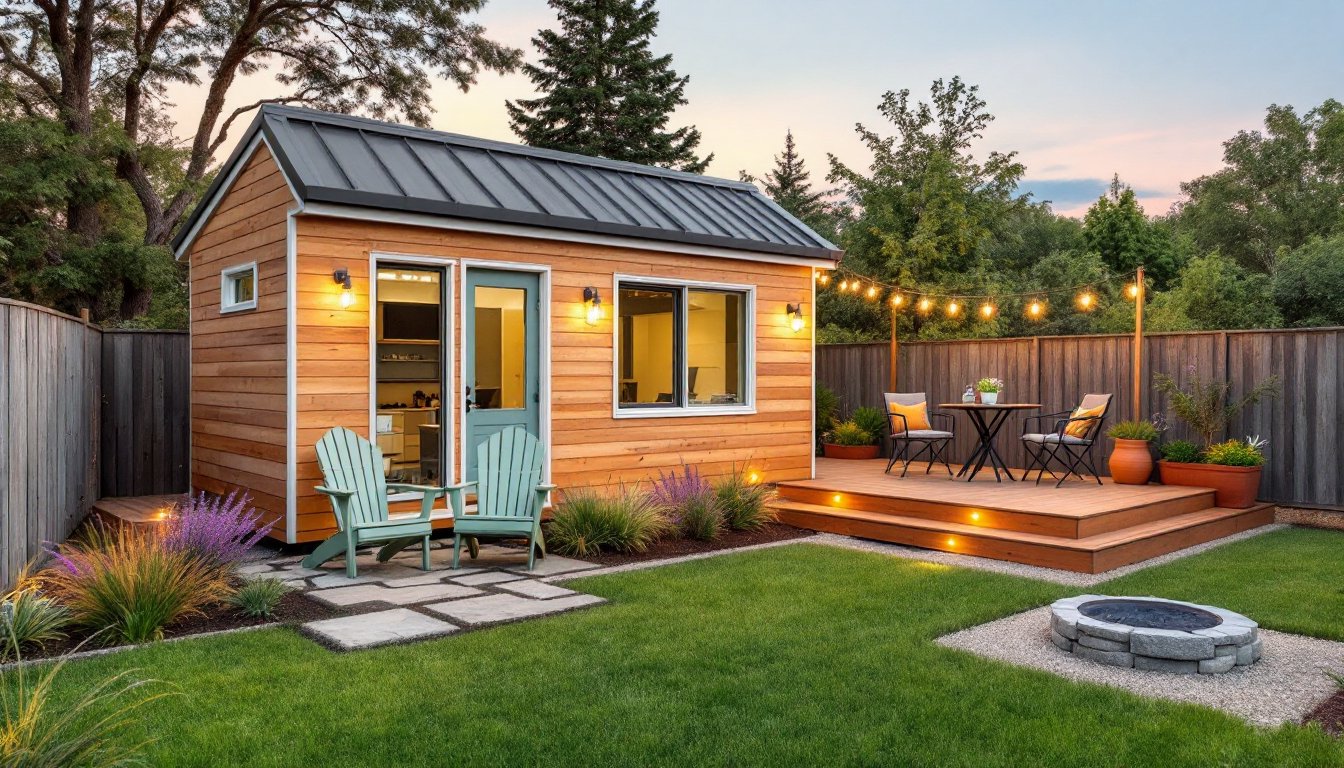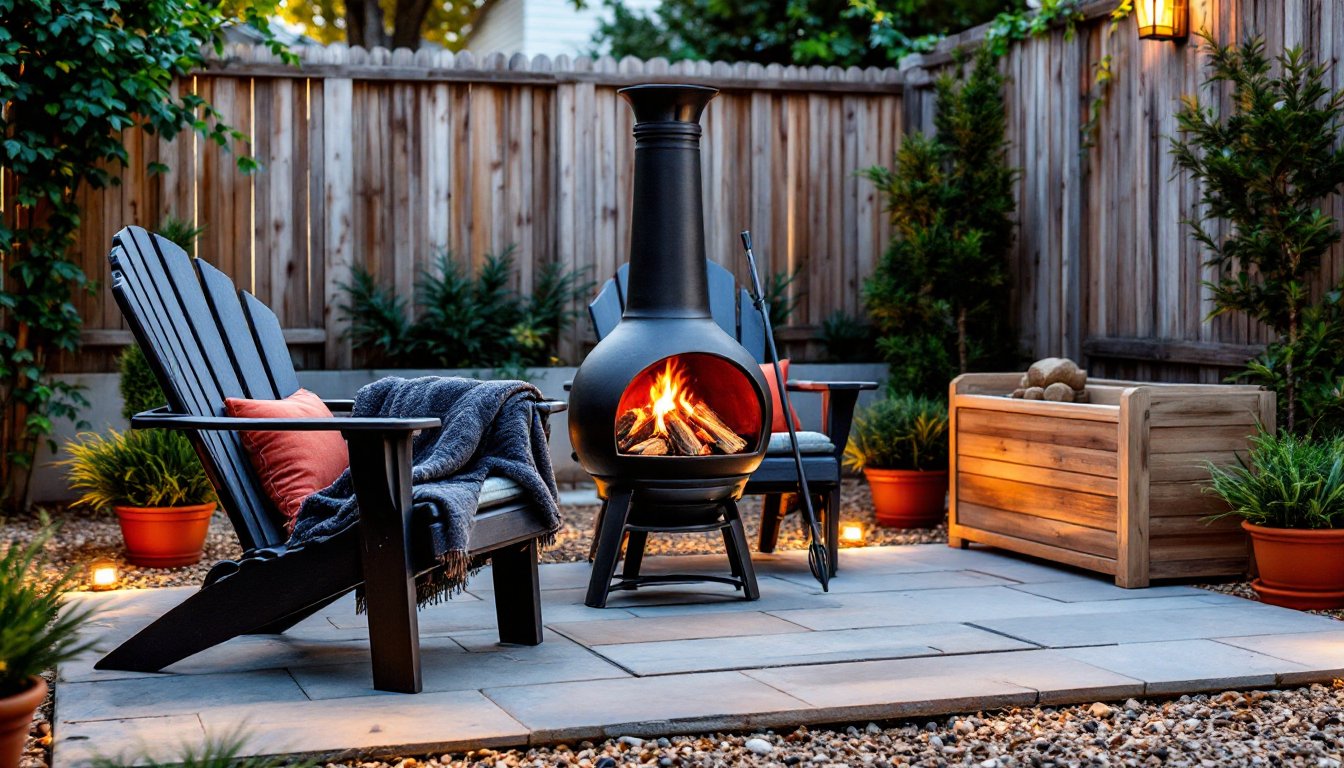
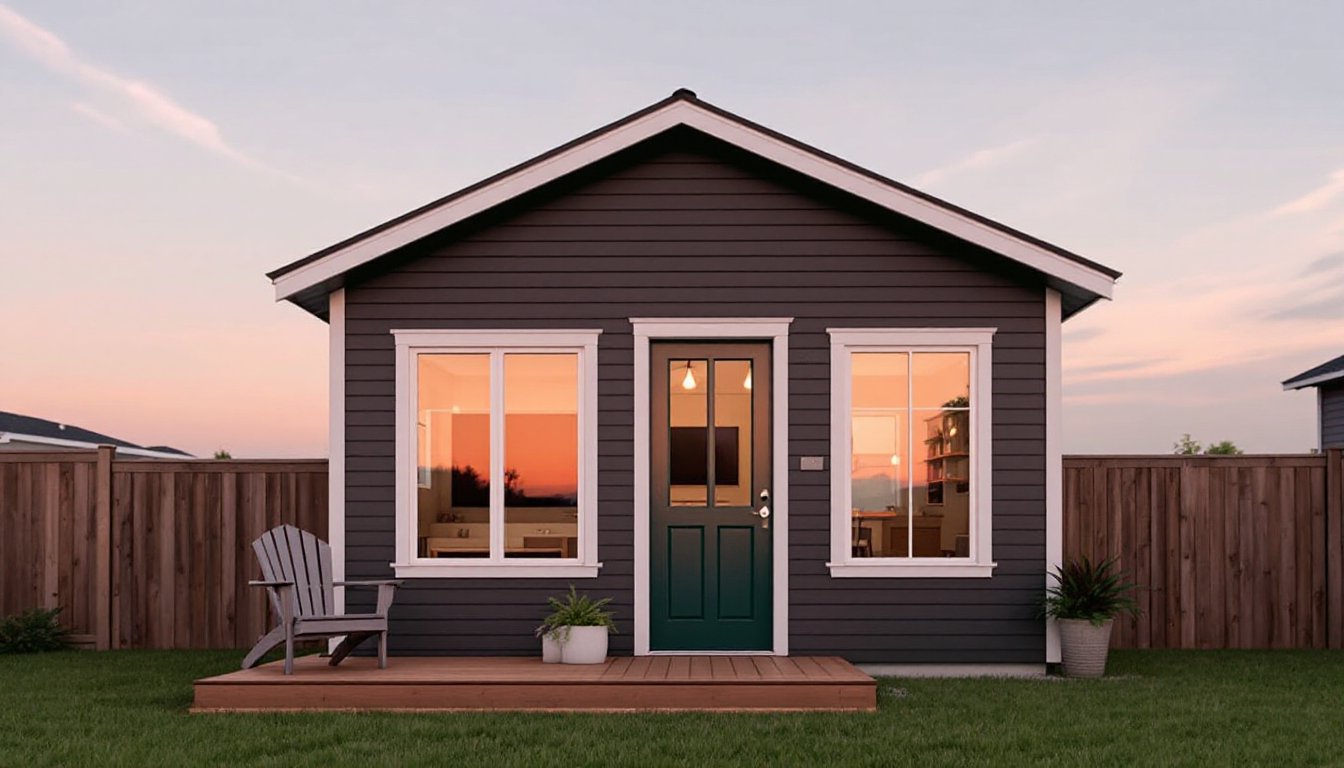
Building a backyard man cave isn’t about escaping, it’s about creating a dedicated space where hobbies, entertainment, and relaxation can happen without taking over the house. Whether it’s a converted shed, a custom-built structure, or a repurposed garage, a backyard retreat offers square footage that doesn’t compete with family rooms or home offices. For homeowners with even a modest yard, this project delivers functional space that adds both utility and property value. The best part? You control the design, amenities, and budget from the ground up.
Table of Contents
ToggleKey Takeaways
- A backyard man cave solves indoor space limitations by moving recreational activities outdoors, keeping noise, mess, and hobby clutter separate from main living areas while maintaining household harmony.
- Essential infrastructure—dedicated electrical circuits, proper insulation (R-13 walls, R-30 ceilings), and moisture barriers—determines whether a backyard man cave becomes a functional year-round retreat or unusable seasonal structure.
- Flooring choice directly impacts durability and maintenance: poured concrete or rubber tiles excel in workshops, while luxury vinyl plank works best for game rooms and entertainment spaces prone to spilled drinks and foot traffic.
- A well-designed backyard man cave increases property value as a flexible asset that appeals to future buyers, especially when finished with power, insulation, and quality materials that enable multiple uses.
- Successful backyard man cave design prioritizes specific features based on use case—a sports fan’s setup needs a large TV and durable bar seating, a workshop demands ample power and LED lighting, while game rooms require strategic lighting above pool tables and acoustic treatment to control sound.
- Local zoning regulations often treat detached structures under 120–200 square feet as accessory buildings exempt from permits, but always verify with your building department before construction begins to avoid legal and insurance complications.
Why Build a Backyard Man Cave?
A backyard man cave solves the perennial problem of limited indoor space. Most homes don’t have an extra room sitting empty, and basements aren’t always viable due to moisture, ceiling height, or the fact that they’re already packed with HVAC equipment and storage.
Moving recreational activities outdoors keeps noise, mess, and hobby clutter separate from main living areas. A drum kit, table saw, or poker night with eight friends becomes far more manageable when it’s 30 feet from the house. Plus, local zoning often treats detached structures under a certain square footage, commonly 120 to 200 square feet depending on jurisdiction, as accessory buildings that don’t require a building permit. Always check with your local building department before breaking ground.
From a property value standpoint, a well-built outbuilding appeals to future buyers, especially when it’s wired for power, insulated, and finished with quality materials. It’s a flexible asset that can serve as a workshop, studio, gym, or office depending on who’s living there. And unlike interior renovations that require coordination with the household, backyard builds can proceed on weekends without disrupting daily routines.
Essential Features Every Backyard Man Cave Needs
Start with electrical service. Running a dedicated circuit from the main panel is non-negotiable if you plan to power lights, a mini-fridge, a TV, or shop tools. For structures over 50 feet from the house, consider a subpanel to avoid voltage drop. Hire a licensed electrician for this, DIY electrical work in detached structures often violates National Electrical Code (NEC) standards and can void homeowner’s insurance.
Insulation and climate control come next. Even in mild climates, an uninsulated shed becomes unusable during summer afternoons or winter evenings. Fiberglass batts (R-13 in walls, R-30 in ceilings) are the budget option, but rigid foam boards offer better moisture resistance in outdoor applications. Pair insulation with a mini-split heat pump for efficient heating and cooling without ductwork. Window units work but are less efficient and noisier.
Flooring depends on the use case. Poured concrete slabs work for workshops and game rooms, offering durability and easy cleanup. For a lounge vibe, install ¾-inch tongue-and-groove plywood over floor joists, then finish with luxury vinyl plank (LVP) or epoxy coating. Avoid carpet in backyard structures, it traps moisture and odors.
Don’t skip moisture barriers and ventilation. Ground moisture will wick up through unprotected slabs, so lay 6-mil polyethylene sheeting under concrete. For wood floors, install over a pressure-treated base with a vapor barrier. Add at least one operable window or a ventilation fan rated for 80+ CFM to prevent condensation and mustiness.
Finally, plan for security. Backyard structures are targets for theft. Use keyed deadbolts, reinforce door jambs with 3-inch screws into framing, and consider motion-activated lighting or a simple wireless security camera.
Top Backyard Man Cave Design Ideas
The Sports Fan’s Paradise
A sports-focused man cave starts with screen size and seating. Mount a 55-inch or larger TV on a wall using a full-motion bracket rated for outdoor or semi-outdoor use if the structure isn’t climate-controlled year-round. Run coaxial or Ethernet cable during framing for clean cable management.
Seating should be durable and easy to clean. Skip the fabric recliners, they don’t hold up in spaces with temperature swings. Instead, go with commercial-grade bar stools or resin wicker chairs with weather-resistant cushions. For flooring, stained concrete or rubber tiles handle spilled drinks and foot traffic better than anything else.
Add a dartboard or wall-mounted bottle opener as functional decor. If you’re installing a dartboard, frame out a ¾-inch plywood backer between studs to prevent darts from punching through drywall. Many homeowners planning outdoor upgrades find that layering in small, purpose-built features like this makes the space feel intentional rather than improvised.
Build a simple bar counter using 2×4 framing with a 3-foot-high front and 42-inch-high back. Top it with butcher block or laminate countertop and finish the front with shiplap or reclaimed wood for texture. Install a mini-fridge rated for outdoor or garage use, standard indoor models fail quickly in uninsulated spaces. Consider adding a kegerator if you’re serious about draft beer: many models fit under standard 36-inch counters.
The Outdoor Workshop and Hobby Station
Workshops demand sturdy work surfaces and ample power. Build a workbench from 2x4s and ¾-inch plywood, ideally 30 inches deep and 6 to 8 feet long. Anchor it to wall studs with lag bolts for stability during planing or sawing. Cover the top with ¼-inch hardboard that’s cheap to replace when it gets chewed up.
Electrical needs scale with your tools. A table saw, miter saw, and dust collector running simultaneously can pull 20+ amps, so install at least two dedicated 20-amp circuits with GFCI protection. Mount power strips or a tool-charging station on the wall above the bench to keep cords off the work surface.
Tool storage makes or breaks workshop functionality. Use pegboard with metal hooks for hand tools, and build simple open shelving from 2x4s and ¾-inch plywood for power tools and paint cans. French cleats, 1x4s ripped at 45 degrees, let you hang and rearrange tool holders without new holes.
Lighting is critical. Skip the single overhead bulb. Install 4-foot LED shop lights every 4 feet across the ceiling for shadow-free illumination. A good rule is 75 to 100 lumens per square foot for detailed work. Add a task light with a magnetic base or clamp mount for close-up projects.
Ventilation and dust control aren’t optional. Even small projects generate sawdust and fumes that linger in enclosed spaces. Install a box fan in a window or a dust collector rated for 650+ CFM if you’re running a table saw or sander regularly. Wear a respirator rated N95 or better for sanding or finishing work, dust masks don’t cut it.
For hobbyists interested in aesthetics alongside function, integrating elements from landscape design can soften the utilitarian workshop look with strategically placed planters or natural wood finishes.
The Entertainment and Game Room
Game rooms prioritize flexibility and social space. Start with flooring that handles movement, luxury vinyl plank (LVP) or rubber interlocking tiles work well and install over any flat subfloor. Avoid ceramic tile: it’s cold, hard, and unforgiving when someone drops a pool cue.
A pool table is the centerpiece but requires real estate. Regulation tables are 4.5 by 9 feet, and you need 5 feet of clearance on all sides for cue strokes. That’s a minimum footprint of roughly 14.5 by 19 feet, doable in a two-car garage conversion but tight in a shed. For smaller spaces, go with a 7-foot bar-size table or a multi-game table (poker, air hockey, ping pong) that swaps tops.
Mount recessed or track lighting above the pool table to avoid shadows and cue strikes. A classic billiard pendant light hung 32 to 36 inches above the playing surface gives even illumination and looks sharp.
Add acoustic panels if you’re installing a sound system or planning loud gatherings. Bare drywall and hard floors create echo. Simple 2-inch-thick acoustic foam panels or DIY fabric-wrapped panels cut noise significantly. Arrange them on walls opposite speakers and in corners where sound builds up.
For seating, go modular. Stackable chairs or a sectional sofa made from outdoor-rated materials let you reconfigure for movie nights, poker games, or band practice. Avoid built-in seating unless the room has a single, permanent purpose.
Many budget-friendly makeovers succeed by focusing dollars on a few standout features, like a killer sound system or custom bar, while keeping walls, floors, and furniture simple and functional. Projects featured in outdoor build galleries show how even modest structures benefit from purposeful design over decorative excess.
Consider adding a wet bar or kitchenette. Running a water line and drain to an outbuilding requires trenching below the frost line, typically 18 to 48 inches depending on region, and may trigger permit requirements. A simpler option is a portable bar cart with a 5-gallon water jug and basin for rinsing glasses.
If you’re installing a sound system, plan speaker placement during framing. In-wall or in-ceiling speakers keep the space clean, but require speaker wire run before drywall goes up. For casual setups, a quality Bluetooth soundbar offers solid audio without permanent installation. Resources like Bob Vila and Family Handyman provide detailed guides on running wiring and mounting equipment safely.
Finally, don’t overlook climate control. A game room used year-round needs heating and cooling. A mini-split system is quieter and more efficient than window units, with outdoor condensers that won’t obstruct windows or create noise inside the space.
Conclusion
A backyard man cave transforms underused outdoor space into a dedicated zone for hobbies, entertainment, or focused work. With proper planning around electrical, insulation, and moisture control, even a modest shed becomes a year-round retreat that adds both function and resale appeal.