
Raising backyard chickens has shifted from rural necessity to suburban trend. Whether you’re after fresh eggs, natural pest control, or a low-maintenance pet alternative, a well-designed coop is the foundation of a successful flock. But finding the right setup isn’t just about nailing four walls together. The best chicken coops balance function, space efficiency, and weather resistance, while fitting seamlessly into your yard’s footprint and aesthetic. From compact two-bird shelters to mobile tractor designs, the options can be overwhelming. This guide cuts through the noise with practical coop ideas organized by size, budget, and style, so you can build or buy the right home for your hens.
Table of Contents
ToggleKey Takeaways
- A functional chicken coop must include roosting bars 2-3 feet high, 12×12-inch nesting boxes (one per 3-4 hens), hardware cloth ventilation, and secure predator-proofing with ½-inch fencing buried 12 inches deep.
- Backyard chicken coop ideas range from compact vertical designs for small spaces to mobile tractors for pasture rotation, with DIY builds costing $200-$400 using reclaimed materials like pallets or prefab sheds.
- Design your coop to match your climate: cold-climate coops need insulation and deep litter bedding, while hot-climate designs require elevated structures, cross-ventilation, and reflective roofing.
- Stylish chicken coops can serve as backyard focal points through cottage, modern minimalist, or barn-style designs without compromising function.
- Always verify local zoning requirements and setback distances (typically 10-25 feet from property lines) before building, and start with 2-4 birds to master basic coop maintenance.
Essential Features Every Chicken Coop Needs
Before diving into design inspiration, understand the non-negotiables. A functional coop must meet your birds’ biological needs, and your local zoning requirements.
Roosting bars are critical. Chickens sleep perched, not on the ground. Install bars made from 2×4 lumber (wide side up) about 2-3 feet off the floor, allowing 8-10 inches of space per bird. Position them higher than nesting boxes to prevent overnight roosting in egg-laying areas.
Nesting boxes should be roughly 12x12x12 inches, placed lower than roosts. One box per 3-4 hens is adequate. Line them with straw or pine shavings, and build a slanted roof on top to discourage perching (and the droppings that follow).
Ventilation prevents moisture buildup and ammonia accumulation from droppings. Install vents near the roofline, above roosting height to avoid drafts on sleeping birds. Hardware cloth (not chicken wire, which tears easily) over vent openings keeps predators out while allowing airflow.
Predator-proofing is non-negotiable. Raccoons, foxes, coyotes, and even neighborhood dogs will test every weak point. Use ½-inch hardware cloth on windows and floor perimeters. Bury fencing 12 inches deep or extend it outward in an apron to stop diggers. Secure latches with carabiners or padlocks, raccoons can operate simple hooks.
Most municipalities regulate coop placement. Setback requirements (typically 10-25 feet from property lines) and permit needs vary widely, so check local codes before breaking ground.
Small-Space Chicken Coop Designs for Compact Backyards
Urban and suburban lots don’t disqualify you from poultry keeping. Compact coops maximize vertical space and clever layouts.
Vertical designs work well on narrow lots. A footprint as small as 4×3 feet can house 2-3 bantam or standard hens if you stack nesting boxes above the roosting area and elevate the entire coop on legs. The space underneath doubles as a covered run, shaded from sun and rain.
Attached run configurations eliminate the need for separate fencing. A coop measuring 4×6 feet with a 4×8-foot attached run provides roughly 10 square feet per bird for three hens, the minimum recommended for confined flocks. Frame the run with 2×3 lumber and wrap it entirely in hardware cloth, including the top (hawks hunt backyards, too).
Corner installations make use of awkward yard angles. Triangular or L-shaped coops tuck into fence corners, and integrating backyard landscape design elements like raised beds or trellises can visually blend the structure into your overall layout.
Lean-to coops attach to existing sheds, garages, or privacy fences, borrowing one wall and reducing material costs. Ensure the attached surface is weatherproof and that your coop’s roof pitch directs runoff away from the structure.
For inspiration on space-efficient designs, many homeowners turn to curated chicken coop galleries featuring garden-integrated builds that prioritize aesthetics without sacrificing function.
Budget-Friendly DIY Chicken Coop Ideas
You don’t need a contractor or a four-figure budget. Resourceful builders often spend $200-$400 on a basic coop using reclaimed materials and standard framing techniques.
Pallet coops are a DIY staple. Standard 48×40-inch pallets disassemble into free framing lumber and siding. Four pallets can frame a small coop: just reinforce joints with deck screws and add a plywood roof. Sand or plane rough edges to prevent splinters and injuries to birds.
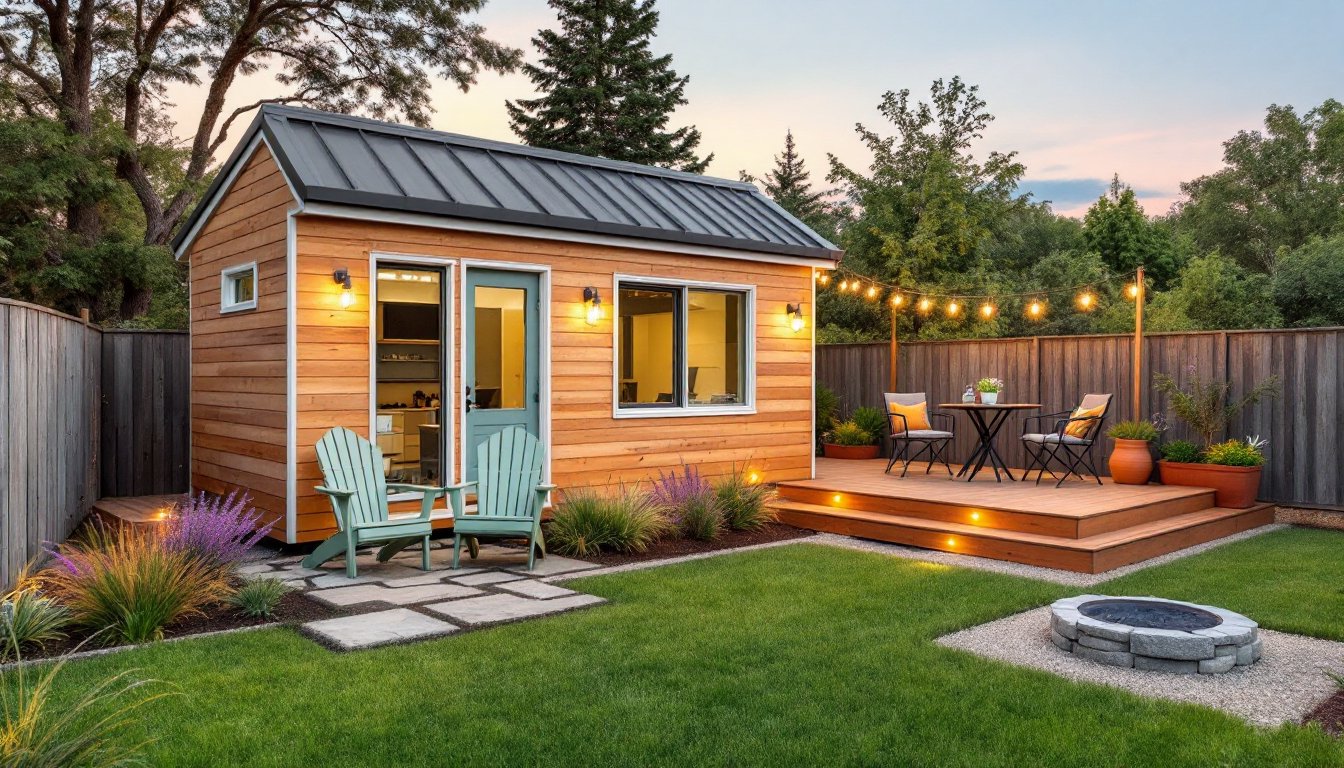
Repurposed sheds skip the framing stage entirely. A $300-$500 prefab storage shed from a big-box retailer converts into a coop with the addition of roosting bars, nesting boxes, ventilation holes, and predator-proof windows. This route works especially well if you already own a shed that’s outlived its storage usefulness.
Simple A-frame designs require minimal cuts. Two triangular end frames (built from 2x4s) connected by ridge boards and covered with plywood or corrugated metal roofing create a weatherproof shelter in a weekend. The low-to-ground profile suits 2-4 birds and pairs well with a portable run.
Salvaged materials cut costs dramatically. Craigslist, Habitat for Humanity ReStores, and Facebook Marketplace often list free or cheap siding, roofing panels, windows, and hardware. Inspect lumber for rot, warping, or chemical treatment labels (avoid railroad ties and pressure-treated wood inside the coop, ammonia from droppings can leach chemicals).
Corrugated metal roofing costs about $1-$2 per square foot and outlasts asphalt shingles. Overlap panels by at least one corrugation and seal ridge caps with butyl tape to prevent leaks.
Keep a realistic timeline. A first-time builder working solo typically needs 2-3 weekends for a basic 4×6-foot coop, not including site prep or run construction.
Stylish Chicken Coops That Enhance Your Backyard Aesthetic
Functional doesn’t mean ugly. A well-designed coop can serve as a backyard focal point, especially in neighborhoods with strict HOA design standards.
Cottage-style coops mimic miniature garden sheds with board-and-batten siding, shuttered windows, and shingled gable roofs. Paint colors should complement your home’s exterior. These designs often include flower boxes and decorative trim, cosmetic touches that make coops feel intentional rather than utilitarian.
Modern minimalist structures use clean lines, flat or shed roofs, and monochrome palettes (black, white, charcoal gray). Fiber cement panels or stained plywood siding provide a contemporary look. Large, hardware-cloth-covered openings double as windows and ventilation, creating an airy, loft-like interior.
Barn-style coops with gambrel roofs and Dutch doors appeal to rural aesthetics. The steep roof pitch adds interior headroom for storage or larger flocks, and the classic red-and-white color scheme blends with farmhouse landscaping.
Integrated garden coops double as potting sheds or tool storage, with a dedicated chicken area sharing a structure with workspace. This approach works well for homeowners who want to justify a larger, more polished build. Add a workbench, shelving, and a separate human-height door.
For additional design inspiration, browsing creative chicken coop showcases can spark ideas that merge practicality with curb appeal.
Painted vs. stained finishes: Exterior latex paint offers more color flexibility and UV protection but requires repainting every 3-5 years. Solid or semi-transparent stains last 5-7 years and let wood grain show through. Avoid paint or stain inside the coop, bare wood is easier to clean and won’t off-gas fumes.
Mobile and Portable Chicken Coop Options
Chicken tractors are bottomless mobile coops that rotate around your yard, giving birds fresh forage while naturally fertilizing and aerating soil. These work best on lawns, gardens, or pasture.
A basic tractor frame uses 2×3 or 2×4 lumber in an A-frame or hoop-house shape, wrapped in hardware cloth. Wheels (lawn mower wheels or casters rated for outdoor use) attach to one end: a handle on the opposite end lets one person move the structure daily. Dimensions typically range from 4×8 feet (for 3-4 birds) to 6×12 feet (for 6-8 birds).
Skid-mounted coops sit on runners (like sled skids) made from pressure-treated 4x4s or 2x6s. Attach a tow hitch, and a lawn tractor or ATV can relocate the coop seasonally. This design suits larger properties where daily moves aren’t practical but periodic pasture rotation is beneficial.
Lightweight PVC-frame designs trade durability for portability. Schedule 40 PVC pipe (1-1.5 inch diameter) and fittings create a hoop-style frame in minutes. Cover with UV-resistant tarp or hardware cloth. These aren’t predator-proof enough for overnight use in high-risk areas but work for supervised daytime grazing.
Portability trade-offs: Mobile coops sacrifice insulation and weatherproofing. Most lack solid floors (or use removable wire floors), so bedding management differs. In wet climates or winter, birds need access to a stationary, insulated shelter overnight.
Wheel selection matters. Pneumatic (air-filled) wheels handle uneven terrain better than hard plastic. Mount wheels on axles that lift at least 2 inches off the ground when stationary, preventing the coop from rolling during wind or bird activity.
Weatherproofing and Climate Considerations
Your climate dictates coop features. A design that works in Arizona will fail in Minnesota.
Cold-climate priorities include insulation and draft elimination. Install rigid foam insulation (1-2 inches thick) between interior walls, covering it with plywood to prevent pecking. Do not insulate roofs without adding vapor barriers, trapped moisture causes mold and frostbite on combs. Increase ventilation in winter, counterintuitively, to expel humid air. Deep litter method (12+ inches of pine shavings, composting in place) generates heat and absorbs moisture.
Avoid heat lamps. They’re a fire hazard, and chickens acclimated to artificial heat suffer when power fails. Breeds like Orpingtons, Wyandottes, and Plymouth Rocks tolerate cold naturally.
Hot-climate coops need maximum airflow and shade. Position large, covered vents on opposing walls to create cross-ventilation. Raise coops 2-3 feet off the ground to catch breezes and reduce ground heat. Reflective roofing (white metal or radiant barrier sheathing under shingles) cuts interior temps by 10-15°F. Provide dust-bathing areas and shallow water dishes for cooling.
Wet-climate designs require steep roof pitches (6/12 or steeper) to shed rain and snow. Use drip edges and gutters to direct runoff away from the coop perimeter. Elevate coops on concrete blocks or gravel pads, never place them directly on soil, which wicks moisture into wood. Seal all seams with exterior caulk.
Hurricane and wind-prone areas demand anchored structures. Secure coops to concrete footings with hurricane ties or embed posts 3 feet deep in concrete. Avoid lightweight materials like tarps or thin sheet metal that become projectiles.
Regional pests matter, too. Mites thrive in humidity: treat roosts with food-grade diatomaceous earth quarterly. Larger predators like bears require electric fencing, hardware cloth alone won’t stop them. Consult resources like home improvement guides for region-specific material recommendations.
Conclusion
The right chicken coop balances your birds’ needs with your space, budget, and local climate. Whether you’re modifying a prefab shed, building a pallet frame from scratch, or investing in a custom cottage-style design, prioritize ventilation, predator-proofing, and weatherproofing over aesthetics. Start small, 2-4 birds teach you the rhythm of coop maintenance without overwhelming your weekends. Most importantly, check local zoning and setback rules before you buy lumber. A well-planned coop pays dividends in fresh eggs, reduced food waste, and a surprisingly entertaining backyard flock.