
Building a tree house isn’t just for kids anymore. Homeowners are increasingly turning outdoor spaces into functional retreats, and a well-designed tree house can add play space, guest quarters, or just a quiet escape. Whether there’s a sturdy oak standing in the corner of the property or a flat yard begging for a creative solution, tree houses blend nostalgia with hands-on building skills. The right design balances ambition with structural reality: tree health, local codes, and the builder’s skill level all matter. This guide covers five popular tree house styles, from classic elevated platforms to modern minimalist builds, plus the planning essentials that keep projects safe and code-compliant.
Table of Contents
ToggleKey Takeaways
- Backyard tree house ideas range from classic elevated platforms to ground-level and modern minimalist designs, each offering unique benefits for outdoor play and retreat spaces.
- Before building, verify local zoning ordinances and building permit requirements, as many municipalities treat tree houses as accessory structures with height limits and setback rules.
- Select hardwoods like oak, maple, or hickory with a minimum 12-inch trunk diameter, and hire a certified arborist to inspect tree health and load capacity.
- Use galvanized or stainless steel fasteners like tree attachment bolts (TABs) instead of nails, and inspect hardware annually since tree growth can loosen bolts over time.
- Install railings at least 36 inches high for platforms exceeding 30 inches above grade, and maintain fall protection with 12 inches of mulch in a 6-foot perimeter zone.
- Always prioritize safety equipment including work gloves, safety glasses, hard hat, and dust masks when building, and never skip local permit requirements or electrical inspections for added amenities.
Why Build a Backyard Tree House?
A tree house delivers more than Instagram moments. It creates dedicated outdoor square footage without a major foundation or permit-intensive addition. Kids get an independent play zone that encourages imaginative games, while adults gain a reading nook, meditation space, or even a backyard office with a view.
Property value impact varies, custom outdoor structures appeal to families, but appraisers rarely count tree houses as finished square footage. The real return comes in usability: a well-built platform extends the yard’s functional footprint. Tree houses also teach practical carpentry skills: framing, decking, railing assembly, and fastener selection all translate to other home projects.
Before sketching designs, check local zoning ordinances. Many municipalities treat tree houses like accessory structures, with setback requirements and height limits (commonly 15 feet from grade). Some jurisdictions require building permits for platforms above a certain size or height, especially if electrical or plumbing is involved. Start with a call to the local building department to avoid costly do-overs.
Classic Elevated Platform Tree House
The traditional elevated platform remains the most recognizable tree house style. It relies on one or more mature trees for support, with a deck frame anchored to the trunk via galvanized lag bolts or specialized tree attachment bolts (TABs). TABs allow the tree to grow without girdling the hardware, choose 1-inch diameter bolts for hardwoods, properly spaced to distribute load.
Key design elements:
- Platform size: 6×8 feet or 8×8 feet provides enough room for seating and storage without overloading branches.
- Framing: Use pressure-treated 2×6 joists on 16-inch centers, supported by a knee-braced ledger or suspended beam system.
- Decking: 5/4-inch treated deck boards or cedar resist rot: leave 1/8-inch gaps for drainage.
- Railings: Required by most codes if the platform exceeds 30 inches above grade. Build to 36-inch minimum height with balusters spaced no more than 4 inches apart to meet IRC standards.
- Access: A fixed ladder, rope ladder, or staircase: fixed stairs are safer for younger kids and comply with code if the structure requires a permit.
Safety note: Always wear safety glasses and work gloves when drilling into live trees. Inspect branches for cracks, rot, or pest damage before hanging weight. If the tree sways noticeably in moderate wind, it’s not a candidate for a rigid platform, consider a ground-level alternative instead.
For free, detailed plans with cut lists and step-by-step instructions, DIY builders often reference proven designs that include material quantities and joist layouts.
Ground-Level Tree House Alternatives
Not every yard has a tree sturdy enough to bear a platform, and not every homeowner wants to drill into living wood. Ground-level tree houses solve both problems by building around the tree without hanging weight from it. The structure rests on 4×4 or 6×6 treated posts sunk in concrete footings, with the tree trunk passing through an oversized hole in the deck.
Construction basics:
- Footings: Dig post holes below the frost line (check local frost depth: commonly 36–48 inches in northern climates). Pour concrete, set galvanized post bases, and bolt treated posts in place.
- Framing: Build a standard deck frame with 2×8 or 2×10 joists. Leave a 12-inch diameter opening around the trunk to allow for growth and sway.
- Trunk clearance: Line the opening with flexible rubber or foam to prevent bark damage. Never rigidly attach the deck to the tree, it needs room to move.
- Walls and roof: Frame walls with 2×4 studs on 16-inch centers. Sheathe with T1-11 siding, board-and-batten, or cedar planks. Roof with asphalt shingles, metal panels, or corrugated polycarbonate for natural light.
Ground-level builds often qualify as sheds under local codes, which may allow them without a permit if they’re under 120 square feet. Still, verify setback distances and lot coverage limits. These structures work well on sloped lots, too, just adjust post heights to level the platform.
For families working on a tight budget, backyard upgrades can incorporate reclaimed lumber or modular components to keep costs in check.
Multi-Level Adventure Tree Houses
Multi-level designs turn a single tree or cluster into a vertical playground. These structures include multiple platforms connected by bridges, cargo nets, or tunnel slides. They’re ambitious projects that require solid carpentry skills, but they deliver unmatched play value.
Design considerations:
- Primary platform: Start with a main deck at 6–8 feet, anchored to the strongest trunk or post cluster.
- Secondary platform: Add a smaller deck 3–4 feet higher, accessed by a climbing wall, rope ladder, or angled staircase.
- Bridge connections: Use 2×6 or 2×8 planks bolted to both platforms, with rope or cable railings tensioned through eyebolts. Keep spans under 8 feet to minimize bounce and sway.
- Slides and poles: Commercial playground slides bolt onto a 4×4 slide tower: fire poles require a 2-inch galvanized steel pipe sunk in concrete at the base.
Structural notes: Multi-level builds concentrate load on fewer attachment points, so upgrade fasteners to ½-inch or ¾-inch TABs and add diagonal knee braces from each platform to the trunk. If spanning between two trees, use a floating connection on one end, trees move independently in wind, and rigid connections can crack framing.
Permitting alert: Structures over 10 feet tall or with multiple levels often require engineered drawings and a building permit, especially in suburban jurisdictions. Budget time for plan review and inspections.
Integrating adventure features into broader landscape plans can create cohesive outdoor zones that balance play areas with planted beds and patios.
Modern Minimalist Tree House Designs
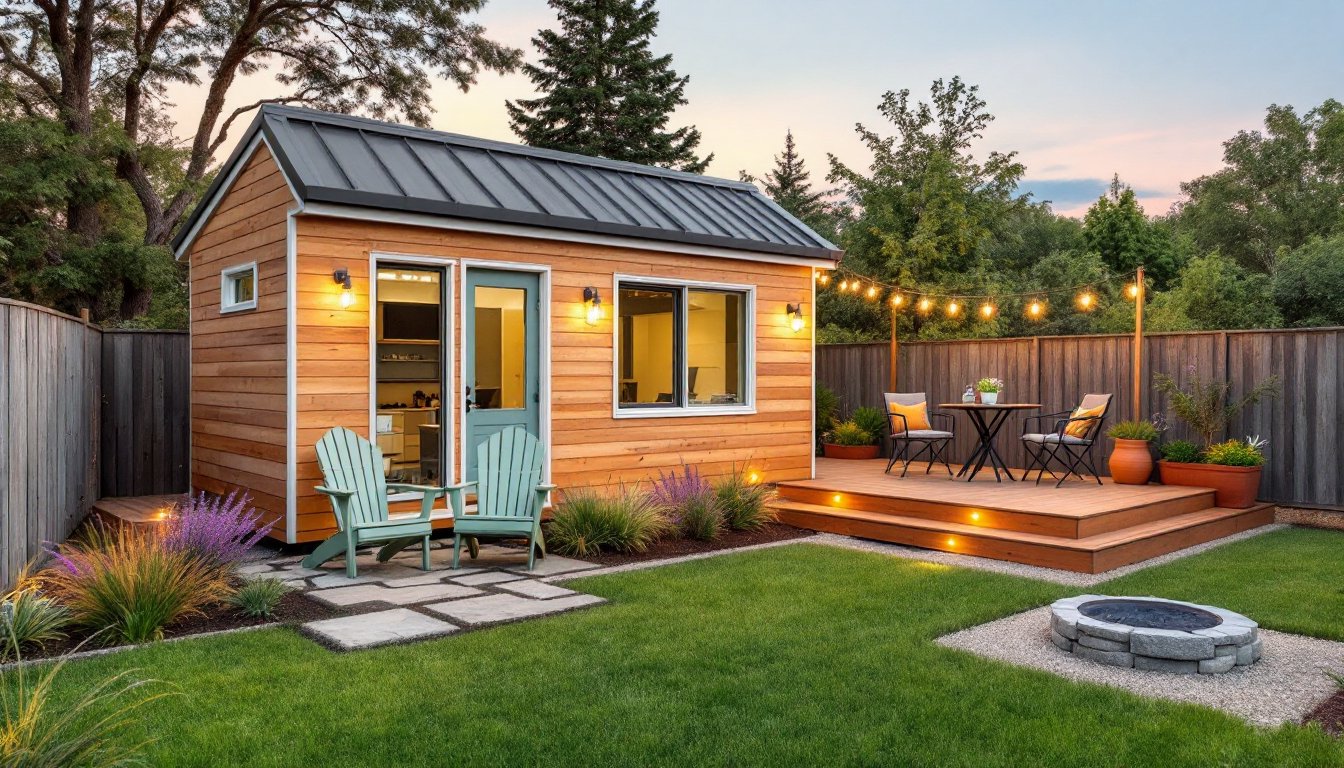
Clean lines, simple materials, and restrained color palettes define modern minimalist tree houses. These designs emphasize transparency and integration with the landscape rather than fortress-style enclosures.
Signature features:
- Open railings: Horizontal stainless steel cable rail or glass panels instead of traditional pickets.
- Flat or low-slope roofs: Single-ply membrane or standing-seam metal roofing: skip the gingerbread trim.
- Natural finishes: Unstained cedar or ipe decking, left to weather to silver-gray. Alternatively, semi-transparent stain in charcoal or driftwood tones.
- Large windows: Fixed-pane or casement windows maximize views: use tempered safety glass if the platform is above 6 feet.
- Integrated lighting: Low-voltage LED strips under railings or recessed step lights for evening use.
Material choices: Modern builds often skip pressure-treated lumber in favor of composite decking and powder-coated aluminum framing. These materials cost more upfront but require less maintenance and avoid the chemical treatment concerns some builders have with kids’ play spaces.
Tool note: Cutting composite decking generates fine dust, use a miter saw with a fine-tooth blade and wear a dust mask or respirator rated for fine particles.
For builders seeking inspiration across other outdoor structures, DIY woodworking resources offer techniques for joinery, finishing, and custom furniture that translate well to modern tree house builds.
Essential Planning and Safety Considerations
Good tree house projects start on paper, not in the tree. Measure twice, build once, and budget for the unexpected.
Tree selection and health:
- Species: Hardwoods like oak, maple, and hickory handle load best. Avoid willows, poplars, and birches, they’re fast-growing but weak.
- Diameter: Minimum 12-inch trunk diameter at attachment height for single-tree platforms. Multi-trunk designs can distribute load across smaller stems.
- Inspection: Hire a certified arborist if there’s visible decay, hollow sections, or heavy pest activity. A $200 consultation beats a collapsed platform.
Load calculations: A basic platform with kids playing generates roughly 40 pounds per square foot live load. Add dead load (framing, decking, roofing) at 10–15 psf. For an 8×8 deck, that’s (64 sq ft × 55 psf) = 3,520 pounds total. Size joists and attachment hardware accordingly.
Fasteners and hardware:
- Use galvanized or stainless steel lag bolts and TABs, never nails alone.
- Pre-drill pilot holes to avoid splitting the tree or framing lumber.
- Check hardware annually: tree growth can loosen bolts over time.
Fall protection: Any platform over 30 inches requires railings. Even lower decks benefit from perimeter guards for toddlers. Spread wood chips, shredded rubber mulch, or engineered wood fiber 12 inches deep in the fall zone (typically a 6-foot perimeter around the structure).
Permits and insurance: Call the building department before buying lumber. Some insurers view tree houses as attractive nuisances, confirm homeowner’s liability coverage extends to backyard structures. If the build includes electrical outlets or lighting, hire a licensed electrician for the rough-in and final inspection.
Homeowners tackling larger backyard transformations often phase projects, starting with simpler structures to build confidence before moving to elevated or multi-level designs.
PPE checklist:
- Safety glasses (always, even for layout work)
- Work gloves for handling treated lumber
- Hearing protection when running circular saws or impact drivers
- Dust mask or respirator for cutting composite or treated materials
- Hard hat when working under partially assembled platforms
For step-by-step tutorials on foundational woodworking techniques, beginner-friendly guides cover everything from tool selection to finishing touches that apply directly to tree house construction.
Conclusion
A backyard tree house is part construction project, part creative challenge. Whether choosing a classic elevated platform, a ground-level build, or a modern minimalist retreat, success comes down to honest planning, solid framing, and respect for both the tree and local codes. Measure carefully, fasten securely, and don’t skip the safety gear. The result is a structure that adds usable square footage, outdoor play value, and a hands-on accomplishment worth showing off.