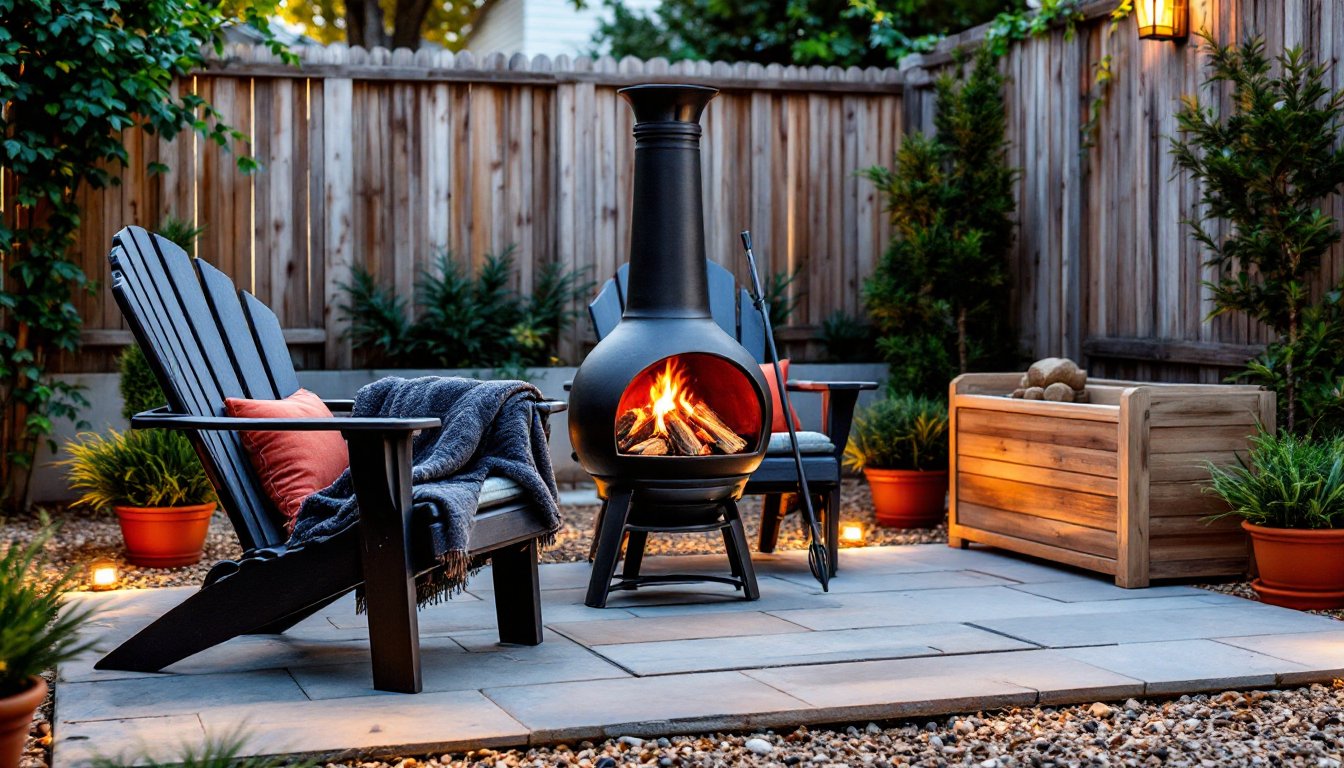

There’s something primal about gathering around an open flame, the crackle of burning wood, the smell of smoke, and the kind of conversation that only happens when phones stay in pockets. A backyard bonfire isn’t just a fire pit: it’s a reason to use your outdoor space year-round and a centerpiece for everything from weekend hangouts to s’mores sessions with the kids. Whether you’re working with a sprawling yard or a compact patio, the right bonfire setup can turn an underused corner into the most popular spot on your property.
Table of Contents
ToggleKey Takeaways
- Backyard bonfire ideas require careful location planning—maintain at least 10–25 feet clearance from structures, check local fire codes, and use non-combustible bases like gravel or pavers to prevent heat damage.
- DIY bonfire pit designs range from rustic stacked stone using fire-rated retaining wall blocks to modern metal rings and concrete pours, each offering different aesthetics and durability for your outdoor space.
- Position seating 6–8 feet from the fire in a mixed arrangement of Adirondack chairs, stone benches, and log rounds, leaving 3-foot-wide pathways for traffic flow and guest comfort.
- Expand bonfire entertainment beyond s’mores by incorporating cast-iron cooking, storytelling, acoustic music, outdoor games, or projector setups that keep guests engaged without phones.
- Never use gasoline or lighter fluid as accelerants, always keep water or fire extinguishers within 20 feet, fully extinguish fires by drowning with water and stirring ashes, and allow 12–24 hours for complete cooldown before covering.
- Burn only seasoned, untreated hardwood (oak, maple, ash), keep flames to 2–3 feet, maintain spark screens on wood-burning pits, and check air quality ratings before igniting to prevent property damage and wildfire risks.
Choosing the Perfect Location and Setup for Your Bonfire
Before anyone strikes a match, location matters more than ambiance. A bonfire needs clearance, most municipalities require at least 10 to 25 feet from structures, fences, overhanging branches, and anything combustible. Check local fire codes and HOA rules: some areas ban open fires entirely or require permits during dry seasons.
Ground surface is equally critical. Avoid placing fire pits directly on wood decks (even composite), untreated grass, or mulched areas. A non-combustible base like gravel, pavers, or a concrete pad protects against heat damage and stray embers. If the yard slopes, level the area first, uneven ground means tippy seating and rolling logs.
Wind direction dictates comfort. Position the fire so prevailing winds blow smoke away from seating areas and the house. Test this on a breezy afternoon before committing to a permanent install.
Access to water is non-negotiable. Keep a garden hose or fire extinguisher within 20 feet. A five-gallon bucket filled with sand works in a pinch for smothering flames. This isn’t paranoia, it’s basic fire safety, and inspectors (or insurance adjusters) will ask about it.
For permanent fire pits, call 811 before digging. Hitting a gas line or buried electric conduit turns a weekend project into a four-digit repair bill.
DIY Bonfire Pit Designs to Match Your Backyard Style
Rustic Stone Fire Pit Ideas
Stacked stone fire pits deliver that mountain-cabin aesthetic without requiring masonry credentials. Retaining wall blocks (the kind used for garden borders) work well here, they’re designed to handle heat and interlock without mortar. Brands like Pavestone or Oldcastle offer fire-rated blocks in natural finishes.
A basic 36- to 48-inch diameter pit uses roughly 40 to 60 blocks for three courses (rows). Excavate 4 to 6 inches, add a gravel base for drainage, then stack blocks in a running bond pattern (stagger the seams like bricks). No mortar means easier winter storage in freeze-thaw climates.
For a more permanent build, use firebrick for the interior ring and natural flagstone or river rock for the exterior. Firebrick withstands 2,000°F temps without cracking: standard concrete or clay brick will spall and crumble. Cap the top course with 12-inch capstones to create a flat sitting edge, guests will use it for drinks and plate rests.
Modern Metal and Concrete Options
Metal fire rings offer clean lines and faster setup. A 3/16-inch steel ring (painted with high-temp paint) can be dropped into a gravel pit or set on pavers. Corten steel, the rust-finish material, weathers to a stable patina and pairs well with contemporary landscape design approaches that emphasize minimalism.
Concrete fire pits range from DIY pours using QUIKRETE 5000 (a high-strength mix) to pre-cast bowls. For a cast-in-place design, build a double-wall form using plywood and melamine, then pour around a steel fire ring insert. Add black or gray concrete pigment and finish with an acid stain for a polished look. Cure for seven days before the first fire.
Pre-fab options like steel fire tables or gas-fed bowl kits skip the masonry work. Propane or natural gas models need a 60,000 to 90,000 BTU burner for decent heat output and must comply with local gas codes (often requiring a licensed plumber for permanent NG hookups).
Creative Seating Arrangements for Bonfire Gatherings
Seating makes or breaks a bonfire. The classic Adirondack chair circle works, but mixing seat heights and materials adds visual interest and accommodates different group sizes.
Built-in stone benches integrate into the hardscape. Stack retaining wall blocks in an L-shape or curve, backfill with gravel, then cap with 2-inch thick bluestone or concrete slabs. Add outdoor cushions for comfort. Position benches 6 to 8 feet from the fire edge, close enough for warmth, far enough to avoid sparks.
Log rounds (crosscut from a 16- to 20-inch diameter trunk) offer rustic, no-cost seating. Treat cut ends with copper naphthenate wood preservative to slow rot, or expect to replace them every two to three years. They’re heavy, stable, and double as side tables.
For flexible layouts, use a mix of folding camp chairs, outdoor poufs, and low stools. Powder-coated steel or aluminum frames hold up better than wood in damp climates. Store fabric cushions in a deck box when not in use to prevent mildew.
Consider traffic flow, leave at least a 3-foot-wide path behind seating for refills, bathroom breaks, and wood hauling. Bonfire seating shouldn’t feel like a theater row where half the group has to stand for someone to pass.
Bonfire Activities and Entertainment Ideas
A bonfire without a plan turns into people scrolling phones around a fire. Build in a few activities, and the night takes care of itself.
Cooking is the easiest entertainment. Beyond s’mores, try cast-iron skillet nachos, foil-packet hobo dinners, or campfire popcorn in a covered pot. A swivel grill grate (the kind that pivots over the fire) expands the menu to burgers and veggies. Keep a pair of welding gloves handy for handling hot cookware, standard oven mitts will singe.
Storytelling and acoustic music thrive in the low-light, no-screens environment. A battery-powered Bluetooth speaker works, but a guitar or harmonica feels more authentic. If someone in the group plays, let them.
Outdoor games that work in firelight include cornhole, giant Jenga, or a simple game of truth-or-dare (the campfire version, not the middle-school one). Set up a projector and screen for an outdoor movie setup on cooler nights when the fire’s more for ambiance than warmth.
For families, bring glow sticks, flashlight tag supplies, or a stargazing app. Kids burn energy, adults get to sit, everyone wins. Just enforce a no-running-near-the-fire rule before things get chaotic.
Keep a firewood caddy or log rack within arm’s reach. Nobody wants to trek to the garage every 20 minutes. Seasoned hardwood (oak, maple, ash) burns longer and cleaner than pine or construction scraps. Stack it off the ground on a pallet to keep it dry.
Safety Tips and Best Practices for Backyard Bonfires
Fire is great, until it isn’t. Most backyard bonfire problems come from overconfidence or skipping basics.
Never use accelerants like gasoline, lighter fluid (after initial ignition), or diesel to revive a dying fire. That’s how people lose eyebrows, or worse. Use newspaper, kindling, and a fire starter stick to build a proper base. A propane torch speeds things up without the flash risk.
Keep fires manageable. A 2- to 3-foot flame height is plenty: anything taller sends embers airborne and wastes heat. Use a fireplace poker or tongs to adjust logs, don’t kick them with boots.
Wear the right gear. Closed-toe shoes (not sandals), long pants, and cotton or wool fabrics beat synthetics, which melt when hit by sparks. Keep a first-aid kit with burn gel and gauze nearby.
Kids and pets need boundaries. Establish a no-go zone within 3 feet of the pit and enforce it. Sparks pop without warning, and small hands (or paws) move faster than adults react.
Never leave a fire unattended, even for “just a minute.” When calling it a night, drown the fire with water, stir the ashes, drown again, and check with the back of your hand for residual heat. According to fire safety experts at The Spruce, improperly extinguished fires are a leading cause of brush fires in residential areas.
Burn only untreated, seasoned wood. Painted lumber, plywood, pressure-treated boards, and trash release toxic fumes. Same goes for cardboard with glossy ink or plastic packaging.
Check air quality and wind conditions before lighting up. Spare the Code Red air quality days and don’t fire up when winds exceed 10 mph, embers travel, and neighbors notice. Many regions post daily fire risk ratings: Better Homes & Gardens recommends checking these before any outdoor burn, especially in wildfire-prone areas.
Have a spark screen or mesh cover for wood-burning pits. They reduce ember escape by 70% and keep logs from rolling out. For a simpler garden makeover integration, consider installing the fire pit as part of a larger patio project.
Finally, let the fire pit cool completely, 12 to 24 hours, before covering or moving it. Even a thin layer of ash can hide coals hot enough to ignite a tarp or melt a vinyl cover. Experienced outdoor living sources like Sunset emphasize that patience during cooldown prevents both property damage and injuries.
A backyard bonfire done right becomes the kind of tradition people ask about in January. With the right spot, a solid design, and a respect for the flame, it’s one of the simplest ways to make a yard feel lived-in. Just remember: every fire starts with preparation, and every great night ends with proper extinguishing. The logs, seating, and backyard upgrades can wait, the safety checklist can’t.