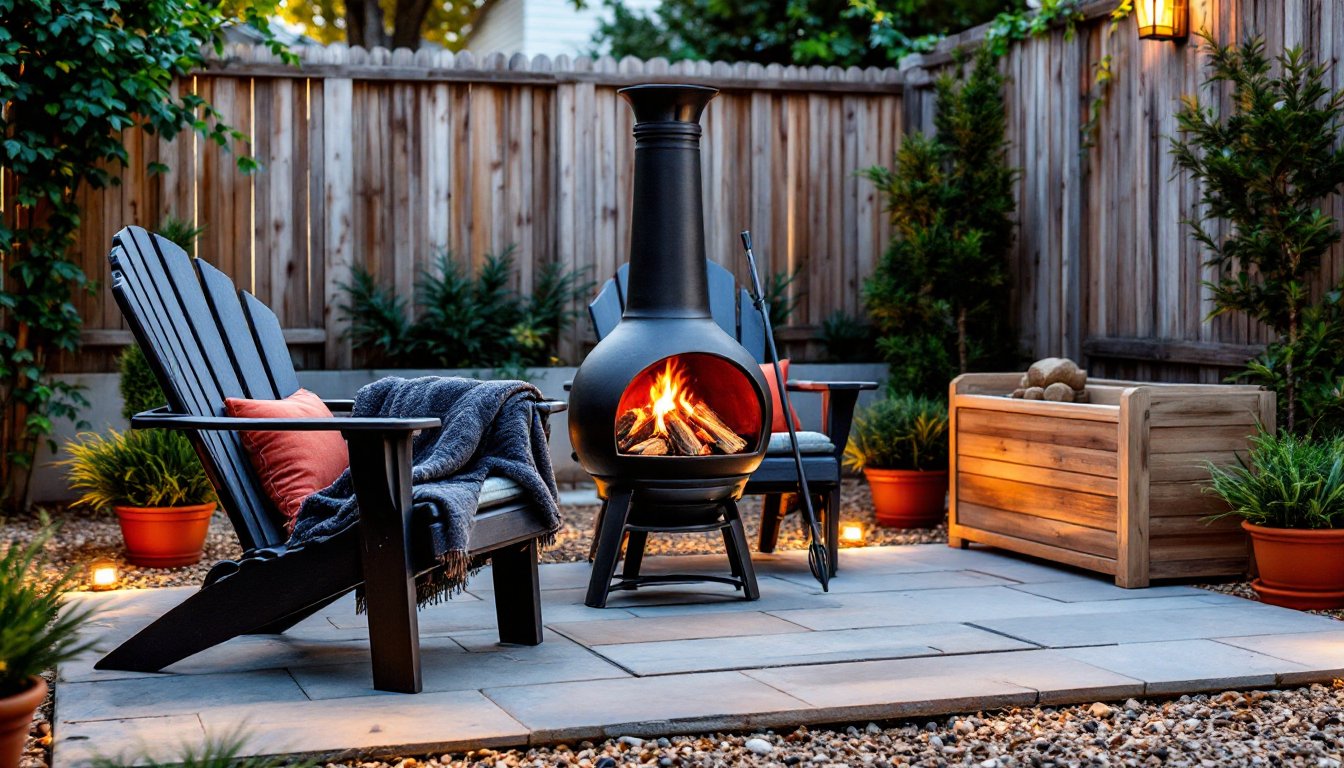

A well-chosen ground cover can eliminate weekly mowing, reduce water bills, and solve problem areas where grass won’t grow. Whether dealing with foot traffic near a patio, shaded zones under mature trees, or slopes that erode with every rainstorm, the right ground cover turns maintenance headaches into low-effort landscaping wins. This guide breaks down practical options for different yard conditions, from living plants that spread naturally to inorganic materials that stay put for years. Each solution includes installation considerations, long-term upkeep, and the scenarios where it performs best.
Table of Contents
ToggleKey Takeaways
- The right backyard ground cover ideas eliminate weekly mowing, reduce watering costs, and stabilize problem areas while suppressing weeds through both living plants and inorganic materials.
- Low-maintenance living options like clover and creeping thyme require minimal fertilizer and watering once established, while tolerating varied sun and soil conditions better than traditional turf.
- High-traffic zones benefit from durable materials like decomposed granite, pea gravel, or rubber mulch that withstand foot traffic without the ongoing maintenance demands of grass.
- Shade-tolerant ground covers such as pachysandra, lamium, and ajuga thrive under tree canopies and north-facing walls where grass struggles, eliminating bare patches and reducing mulch replacement needs.
- Strategic layering of ground cover materials—combining living plants with edged gravel paths or stone—creates both aesthetic appeal and functional zones while minimizing long-term upkeep.
- Testing drainage, amending soil to match your microclimate, and consulting local extension offices ensures successful establishment and reduces future weeding, watering, and maintenance.
Why Ground Cover Matters for Your Backyard
Ground cover does three jobs simultaneously: it protects soil from erosion, suppresses weeds by blocking sunlight, and reduces the need for constant watering and mowing. Bare soil compacts easily, sheds water instead of absorbing it, and invites opportunistic weeds that exploit open ground.
Living ground covers, whether low-growing perennials or dense shrubs, create a continuous root mat that stabilizes slopes and prevents topsoil washout during heavy rain. They also moderate soil temperature, keeping roots cooler in summer and insulating them through winter freeze-thaw cycles.
Inorganic options like gravel, stone, or mulch block weed growth through physical coverage and require zero irrigation once installed. They’re ideal for high-traffic zones, utility easements, or areas where tree roots make digging difficult. Strategic landscape design choices integrate ground cover into functional zones, defining pathways, framing hardscaping, or filling gaps between plantings.
Choosing the right material depends on sun exposure, foot traffic, drainage, and how much ongoing maintenance fits your schedule. A shaded side yard demands different solutions than a sun-baked parking strip or a sloped area prone to runoff.
Low-Maintenance Ground Cover Options
Clover: The Eco-Friendly Lawn Alternative
White clover (Trifolium repens) and microclover varieties fix nitrogen from the air, reducing or eliminating fertilizer needs. They stay green through summer droughts that turn traditional turf brown, require mowing only once or twice per season if you want a tidy look, and tolerate light to moderate foot traffic.
Clover spreads via stolons (above-ground runners) and self-seeds, filling in bare patches within one growing season. It thrives in full sun to partial shade and adapts to most soil types, though it performs best in slightly acidic to neutral pH (6.0–7.0). Plant 4–8 ounces of seed per 1,000 square feet in early spring or fall when soil temps hit 50–60°F.
Downsides: Clover flowers attract bees, good for pollinators, not ideal for barefoot play areas. It can become patchy in heavy shade or where foot traffic is constant. In regions with hot, humid summers, fungal issues occasionally appear: improving drainage and air circulation usually resolves them.
Creeping Thyme for Fragrant Pathways
Creeping thyme (Thymus serpyllum) forms a dense, 2–3 inch mat that releases a pleasant herbal scent when stepped on. It handles moderate foot traffic, perfect for gaps between stepping stones or along gravel paths, and blooms purple, pink, or white in late spring, attracting beneficial insects.
Thyme requires full sun (6+ hours daily) and well-drained soil. It tolerates drought once established but will sulk in heavy clay or standing water. Space plugs or 4-inch pots 6–12 inches apart: they’ll knit together in 1–2 seasons. Water weekly until roots establish, then only during prolonged dry spells.
Many homeowners combine thyme with other low-growers like sedum or ajuga to create tapestry-style plantings. Budget-conscious makeover projects often use thyme to replace small turf areas, cutting water and mowing time without sacrificing visual interest.
Ground Covers for High-Traffic Areas
When kids, pets, or daily foot traffic are part of the equation, durability trumps delicacy. Decomposed granite (DG) is a popular choice: it compacts firmly underfoot, drains well, and costs roughly $40–$60 per cubic yard (enough to cover ~100 square feet at 3 inches deep, depending on your region).
Install DG over compacted subgrade with landscape fabric to block weeds. Add a stabilizer (typically a polymer resin blend) to prevent erosion on slopes or in heavy rain. Without stabilizer, DG can migrate onto adjacent hardscaping or track indoors on shoes.
Pea gravel (3/8-inch rounded stones) offers a crunchy, informal look and drains instantly, making it useful around rain gardens or French drains. It shifts underfoot, so it’s less suitable for wheelchairs or strollers unless bordered by edging that holds stones in place. Expect $35–$50 per cubic yard: calculate coverage at 2–3 inches deep.
Rubber mulch made from recycled tires cushions falls in play areas and doesn’t decompose, so it won’t need annual top-ups like wood chips. It meets ASTM safety standards for playgrounds when installed at proper depths (6–12 inches depending on fall height). Costs run $5–$8 per cubic foot, and it stays put in wind or rain.
For living options, perennial ryegrass or tall fescue blends tolerate heavy use better than Kentucky bluegrass, though they still need regular mowing and watering. Alternatively, turf pavers (plastic or concrete grids filled with soil and grass seed) distribute weight and prevent rutting in driveways or side yards that double as walkways.
Shade-Loving Ground Cover Solutions
Dense tree canopies and north-facing walls create zones where turf struggles and moss takes over uninvited. Instead of fighting it, plant shade-tolerant ground covers that thrive in low light.
Pachysandra (Pachysandra terminalis) spreads via rhizomes, forming a uniform 6–8 inch carpet that stays evergreen in most climates. It tolerates dry shade once established, critical under maples or oaks that hog moisture, and requires no mowing. Plant 6–12 inches apart from 4-inch pots: they’ll fill in within two seasons. Shear back leggy growth in early spring if needed.
Lamium (dead nettle) offers variegated foliage in silver, white, or chartreuse, plus pink or white flowers in late spring. It handles part to full shade and spreads moderately fast without becoming invasive. Lamium tolerates occasional foot traffic and looks sharp edging shaded paths or under shrubs.
Ajuga (bugleweed) forms a low mat (4–6 inches) with bronze, purple, or green leaves and blue flower spikes in spring. It spreads aggressively, useful for covering large areas quickly, problematic if it escapes into garden beds. Install root barriers or edging to contain it. Ajuga laughs at shade and even thrives in areas with tree-root competition where other plants starve.
Many garden makeover plans rely on these shade plants to unify understory spaces, reducing the need for mulch top-ups and creating visual continuity. According to comprehensive ground cover guides, layering multiple species by height and bloom time adds seasonal interest without extra labor.
For deeper shade or areas where nothing grows, consider mulch alternatives like shredded hardwood bark (lasts 2–3 years) or pine straw (lasts 1–2 years, acidifies soil, ideal under azaleas or rhododendrons). Both cost $25–$40 per cubic yard and improve soil structure as they break down.
Decorative Mulch and Stone Alternatives
Inorganic ground covers offer predictable, low-effort aesthetics and perform well in areas where living plants face challenges, like xeriscapes, utility corridors, or spaces with reflected heat from south-facing walls.
River rock (1–3 inch smooth stones) creates a clean, contemporary look and never decomposes. It’s ideal for dry creek beds, borders around updated landscaping designs, or mulch rings around trees. Costs range $60–$120 per ton (covers ~70–100 square feet at 2–3 inches deep). Install over landscape fabric to prevent stones from sinking into soil.
Lava rock weighs less than river rock, making it easier to spread, and its porous texture insulates soil, moderating temperature swings. It’s available in red, black, or brown and pairs well with desert or Mediterranean plantings. Expect $70–$100 per ton.
Shredded rubber (finer than playground nuggets) comes in dyed colors and lasts 10+ years without fading. It won’t blow away, suppresses weeds effectively, and reflects less heat than stone. Some HOAs restrict its use due to aesthetic concerns, so check covenants before ordering. Budget $4–$7 per cubic foot.
Cocoa hulls or cedar chips offer organic alternatives with pleasant aromas. Cocoa hulls contain theobromine (toxic to dogs in large quantities), so they’re off-limits in yards with pets. Cedar naturally repels insects but costs more, around $5–$8 per cubic foot, and needs replacement every 2–3 years as it weathers to gray.
When planning backyard makeovers, combine materials for contrast: gravel paths bordered by clover, or thyme pockets between flagstones. Edging (steel, plastic, or composite) keeps loose materials contained and prevents cross-contamination between zones.
For slopes or erosion-prone areas, erosion-control fabric or jute netting stabilizes soil while plants establish. Pin fabric down with landscape staples every 3–4 feet, then plant through cut slits. As living ground cover fills in, the fabric degrades.
Safety note: Always wear gloves when handling stone or mulch (splinters, sharp edges) and a dust mask when spreading dry materials like decomposed granite or mulch fines. If installing near buried utilities, call 811 for locates before digging or grading.
Regional design resources like Sunset’s garden guides and The Spruce’s comprehensive how-tos provide plant hardiness details and climate-specific material recommendations that factor in freeze-thaw cycles, humidity, and rainfall patterns. Local extension offices can also test soil and suggest amendments to improve ground cover establishment.
Ground cover choices ripple through your yard’s maintenance calendar. Investing time upfront, testing drainage, amending soil, choosing plants matched to your microclimate, pays off in reduced weeding, watering, and weekend mowing. Whether planting clover to cut fertilizer costs or spreading gravel to define a modern patio edge, the right ground cover turns problem spots into low-maintenance, functional landscaping.