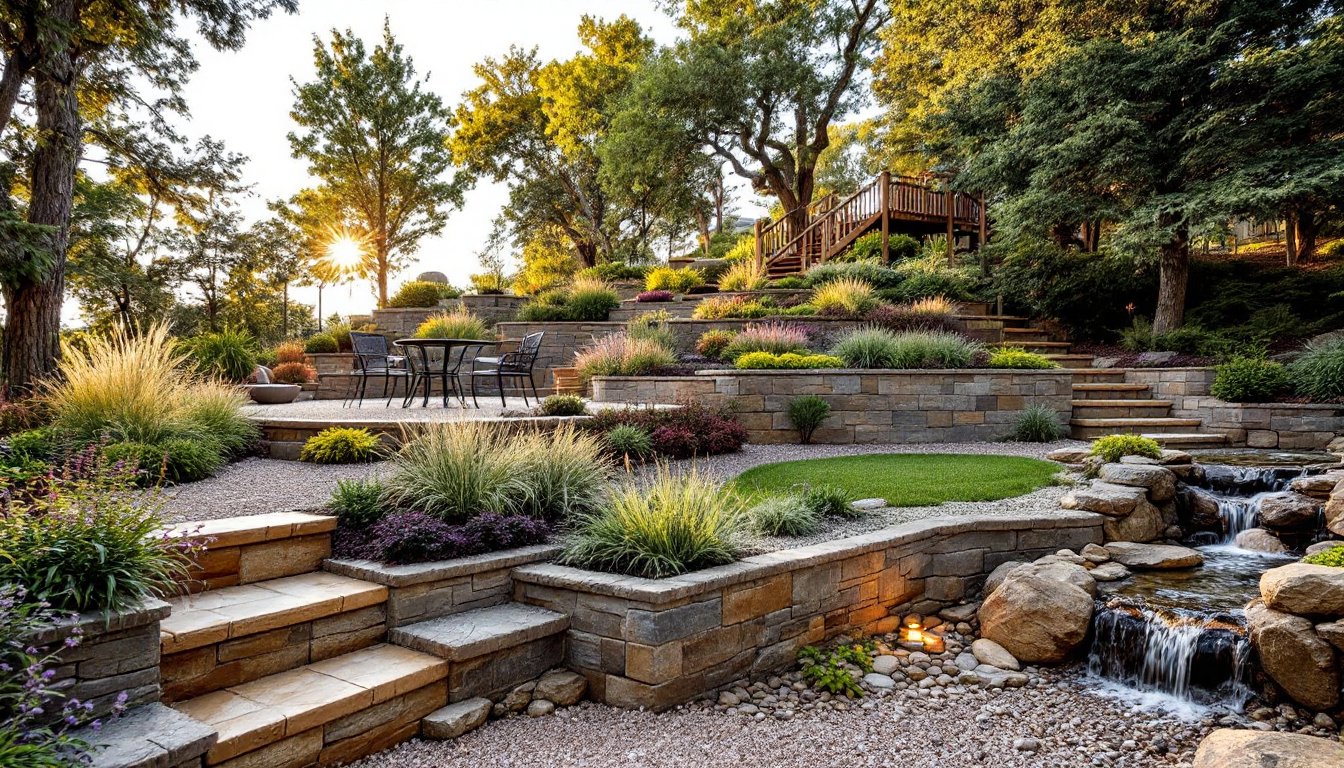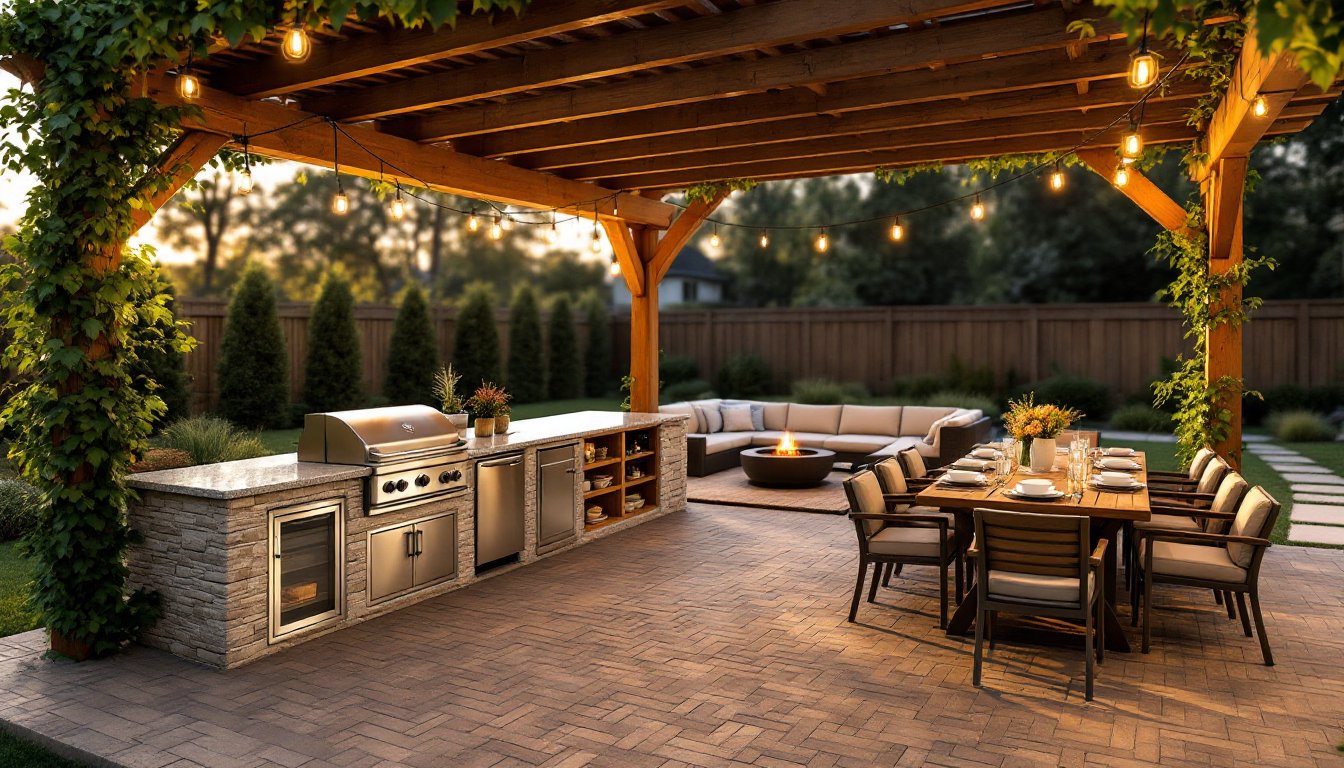

Combining pavers and turf creates a low-maintenance, visually striking backyard that stands up to foot traffic while keeping that green, natural feel. Whether it’s natural grass or artificial turf, this pairing offers flexibility for everything from intimate patios to sprawling entertainment zones. Pavers provide durability and structure, while turf softens the hardscape and adds color. The best part? You can tackle much of this work yourself with the right prep and patience. This guide walks through practical layouts, material choices, installation steps, and long-term care to help homeowners pull off a functional, attractive outdoor space.
Table of Contents
ToggleKey Takeaways
- Backyard ideas with pavers and turf combine durability and natural beauty, offering a low-maintenance solution that handles foot traffic while keeping your yard visually appealing.
- Checkerboard patterns and paver pathways are two popular layout designs that work for any home style, with checkerboard layouts potentially saving 30–40% on paver materials compared to full patios.
- Proper base preparation—excavating 4–6 inches deep, compacting crushed stone in layers, and using coarse sand—is critical to paver longevity, as 90% of paver failures result from poor compaction.
- Artificial turf quality varies by blade height (1–2+ inches), face weight (50–80 oz standard), and infill type; choose infill carefully based on heat retention and drainage needs for your climate.
- Pavers last 20+ years with routine sweeping, quarterly cleaning, and sealer reapplication every 2–3 years, while artificial turf requires weekly brushing and monthly rinsing to maintain appearance and function.
- Most residential paver projects under 200 square feet don’t require permits, but check local codes and consider hiring licensed contractors for grading changes, walls, electrical work, or gas line installations.
Why Pavers and Turf Make the Perfect Backyard Combination
Pavers and turf complement each other in ways few materials can. Pavers (concrete, brick, or natural stone units) deliver hard, level surfaces that don’t turn to mud when it rains. They handle grills, fire pits, furniture, and heavy foot traffic without breaking down. Turf, whether natural sod or artificial grass, keeps the yard from feeling like a parking lot. It absorbs heat, reduces glare, and creates visual breathing room between hardscaped zones.
Artificial turf has gained serious traction in drought-prone regions and among homeowners tired of mowing. Modern products feature realistic blade textures, infill materials that reduce heat retention, and permeability that drains faster than compacted soil. Natural grass still wins on feel and smell, but it demands regular watering, fertilizing, and edging. The choice hinges on climate, budget, and how much time someone’s willing to spend on upkeep.
From a design standpoint, the contrast works. Dark pavers pop against bright green turf: light travertine cools down next to deep emerald blades. The grid of pavers breaks up large lawn areas, preventing that generic “ocean of grass” look. It also solves drainage headaches by channeling water away from foundations and pooling zones. Many backyard landscape design ideas rely on this material pairing for exactly these reasons.
This combination suits nearly any home style, from mid-century modern to farmhouse, and scales up or down. A small urban patio benefits just as much as a quarter-acre suburban spread. The key is intentional layout and proper installation.
Popular Paver and Turf Design Layouts
Checkerboard Pattern for Modern Appeal
The checkerboard layout alternates square pavers with equal-sized turf panels in a grid. 12-inch × 12-inch or 16-inch × 16-inch squares work well for this pattern. It’s clean, geometric, and surprisingly forgiving for DIYers because small variations in paver spacing get absorbed visually by the turf. Concrete pavers in charcoal or slate gray create sharp contrast against green turf: for a softer look, use buff or tan tones.
This pattern shines in contemporary yards, especially around seating areas or as a transition zone between a deck and open lawn. It also reduces the amount of paver material needed, which can trim costs by 30–40% compared to a full paver patio. Installation requires careful measuring and staking to keep grid lines straight. Use landscaping fabric under turf squares to suppress weeds, and edge each turf panel with plastic paver edging or aluminum strips to prevent turf creep.
One caution: checkerboard layouts need consistent base prep. If the gravel base isn’t level, pavers will settle unevenly and turf panels will dip. Expect to excavate 4–6 inches deep, lay 3–4 inches of compacted crushed stone (¾-inch minus works well), top with 1 inch of leveling sand, then set pavers. For artificial turf squares, use the same base but skip the sand layer in turf zones and add a geotextile fabric instead.
Paver Pathways Through Lush Turf
Pathways offer function and flow. A 3–4-foot-wide paver walkway cutting through turf guides foot traffic, protects grass from wear, and frames sightlines. Flagstone, cut bluestone, or rectangular concrete pavers all work. Irregular flagstone (often called “steppers”) gives a naturalistic vibe: uniform rectangular pavers (like 6 × 12-inch Holland pavers) read more formal.
Layout matters. Straight paths feel direct and efficient: curved routes add intrigue and can make small yards feel larger by hiding the endpoint. Stake the route with garden hoses or spray paint, then excavate 2–3 inches deep for individual steppers set in sand, or 4–6 inches for mortared or edge-restrained paths. For a stepping-stone approach, space pavers 18–24 inches apart (center to center) to match average stride length.
Edging is non-negotiable. Without it, turf roots invade joints and pavers shift. Steel or aluminum landscape edging holds up best: plastic edging works but can heave in freeze-thaw climates. If using natural grass, plan for a mow strip, a narrow soldier course of pavers set flush with turf, so mower wheels roll on pavers instead of scalping edges. Artificial turf paths need infill swept into joints to lock turf edges and prevent fraying. Homeowners pursuing budget-friendly upgrades often start with a simple pathway before committing to larger paver areas.
Choosing the Right Materials for Your Project
Pavers come in concrete, clay brick, and natural stone. Concrete pavers are the workhorse: affordable (roughly $2–$5 per square foot), available in dozens of colors and textures, and rated for vehicular or pedestrian loads. Look for products rated 8,000+ psi compressive strength for patios and walkways. Clay brick pavers offer classic appeal and color that doesn’t fade, but they cost more ($6–$10 per square foot) and can spall (flake) in wet freeze-thaw cycles unless labeled SX-rated (severe weathering).
Natural stone, flagstone, bluestone, travertine, delivers unique color variation and a high-end look. Expect $10–$20+ per square foot installed. Flagstone works beautifully for informal paths: bluestone and travertine suit formal patios. All stone is heavy and requires a solid base. Thickness matters: 1.5–2 inches thick for pedestrian areas, 2+ inches for vehicular.
Artificial turf quality varies wildly. Blade height ranges from 1 inch (putting-green short) to 2+ inches (lawn realistic). Face weight (ounces per square yard) indicates density: 50–80 oz is standard residential grade. Infill material, silica sand, crumb rubber, or newer alternatives like coconut husk or zeolite, affects drainage, heat retention, and feel underfoot. Rubber infill can get hot in direct sun: sand-based or organic infills stay cooler. Drainage rate should be 30+ inches per hour to handle rain without pooling.
For natural turf, match grass type to climate. Cool-season grasses (tall fescue, Kentucky bluegrass, perennial ryegrass) thrive in northern zones: warm-season varieties (Bermuda, zoysia, St. Augustine) dominate the South and Southwest. Sod costs $0.35–$0.75 per square foot and establishes faster than seed. Seed is cheaper ($0.05–$0.15 per square foot) but takes weeks to germinate and months to mature.
Base materials are unglamorous but critical. Use ¾-inch crushed stone (also called ¾-inch minus or crusher run) for the base layer: it compacts tighter than pea gravel. Top with coarse concrete sand (not play sand) for leveling pavers. For edging, galvanized steel or aluminum spikes hold better than plastic in clay or rocky soils.
DIY Installation Tips for Pavers and Artificial Turf
Safety first: Wear work gloves, knee pads, safety glasses, and steel-toe boots. A plate compactor (rentable for $60–$100/day) vibrates at high decibels, ear protection is mandatory. Cutting pavers with a masonry saw or angle grinder creates silica dust: use a dust mask rated N95 or better and wet-cut when possible.
Step 1: Layout and excavation. Mark the paver area with stakes and string lines. Check square by measuring diagonals (they should match). Excavate to total depth: base + sand + paver thickness. For a standard patio with 2.375-inch-thick pavers (nominal 2.5 inches), dig 7–8 inches deep (4 inches base, 1 inch sand, 2.375 inches paver). Slope the base 1–2% grade away from structures (1/8 to 1/4 inch per foot) for drainage.
Step 2: Base prep. Pour crushed stone in 2-inch lifts and compact each layer with a plate compactor. Walk the compactor in overlapping passes until the stone doesn’t shift underfoot. Don’t skip this, 90% of paver failures trace to poor compaction. Use a 4-foot level or laser level to check grade.
Step 3: Edging and sand. Install edge restraint along the perimeter, spiking every 12 inches. Spread 1 inch of coarse sand over the base. Screed it flat using a notched 2×4 riding on guide rails (like 1-inch PVC pipes laid on the base, then removed). The sand layer must stay dry until pavers are set, cover it if rain threatens.
Step 4: Lay pavers. Start from a straight edge (house foundation, existing walkway) and work outward. Butt pavers tight: most interlock without gaps. Use a rubber mallet to tap high pavers flush. Cut edge pavers with a masonry saw (cleaner) or angle grinder with diamond blade (faster but dustier). A circular saw with a masonry blade works in a pinch but bogs down on thick pavers.
Step 5: Joint sand and compaction. Sweep polymeric sand into joints. This sand contains binders that harden when misted, locking pavers and resisting weeds and ants. Follow manufacturer’s instructions for misting, over-watering activates binders prematurely and causes haze. Run the plate compactor over pavers to set them into the sand bed. Use a rubber pad attachment to avoid scuffing paver surfaces.
For artificial turf: After paver installation, prep turf zones by laying weed barrier fabric and topping with ½ inch of decomposed granite or sand for drainage. Roll out turf, trim to fit with a utility knife, and secure edges with 6-inch galvanized landscape staples every 6–8 inches. Spread infill evenly, brush it into blades with a power broom or stiff push broom, then water lightly to settle. Many landscaping designs incorporate both elements using these same foundational techniques.
Maintenance and Longevity of Your Paver and Turf Backyard
Pavers are famously low-maintenance, but not no-maintenance. Sweep or blow debris weekly to prevent organic stains. Hose down quarterly and scrub with a stiff-bristle brush and mild detergent for spills (grease, wine, rust). Avoid pressure washers above 1,500 psi, they can erode joint sand and etch paver surfaces. Re-apply polymeric sand every 3–5 years as it weathers. Seal pavers every 2–3 years with a penetrating or wet-look sealer to resist stains and enhance color. Sealing is optional but extends life, especially for concrete pavers in high-use areas.
Weeds occasionally sprout in joints even though polymeric sand. Pull them by hand or spot-treat with vinegar-based or selective herbicides. Ant colonies sometimes nest under pavers: treat with granular ant bait along edges. Efflorescence (white mineral deposits) can appear on new concrete or clay pavers: scrub with diluted muriatic acid (wear gloves and goggles) or a commercial efflorescence cleaner.
Artificial turf needs weekly brushing to keep blades upright and distribute infill. Use a stiff push broom or power broom. Rinse monthly to flush dust and pollen: in pet areas, hose down after waste removal and apply enzyme-based turf deodorizer. Turf can last 15–20 years with proper care, though UV exposure gradually fades color and weakens fibers. Budget turf may show wear in 8–10 years. Infill settles over time, top it off every 1–2 years to maintain cushion and drainage.
Natural grass demands mowing, edging, watering, and fertilizing. Keep turf 2.5–3.5 inches tall for drought tolerance and deep roots. Edge along paver borders monthly to prevent overgrowth. Aerate annually in compacted zones. For ideas on integrating turf care into broader backyard makeovers, consider seasonal schedules that sync mowing with planting cycles.
Both materials handle temperature extremes well. Pavers in cold climates may heave if the base wasn’t deep enough (below frost line, typically 12–18 inches in northern states). Sand-set pavers are easy to reset: mortared installations crack and require professional repair. Artificial turf softens in extreme heat (120°F+ surface temps in full sun), shade structures or misters help. Natural turf browns in drought unless irrigated: match grass type to local rainfall patterns.
Expect 20+ years from quality pavers and proper installation. Concrete pavers outlast asphalt and require less maintenance than wood decking. Turf longevity depends on product quality and foot traffic. Together, they create a resilient, attractive backyard that stands up to kids, pets, and weather, provided the groundwork (literally) is solid. Homeowners interested in expanding their outdoor projects can explore garden makeover ideas that build on these foundational skills.
For additional inspiration on planting between pavers, resources like Gardenista’s guide to ground covers offer practical plant pairings. Regional design trends and outdoor living tips can be found on sites like Sunset and The Spruce, both of which cover a wide range of home improvement topics.
Permits and professionals: Most paver patios under 200 square feet don’t require permits, but check local codes, setbacks, drainage, and HOA rules vary. Turf installation is typically permit-free. If the project involves grading changes, retaining walls over 3–4 feet, or electrical (lighting, outlets), pull permits and consider hiring a licensed contractor. Structural work, gas lines for fire features, and irrigation tie-ins often require licensed pros. DIY saves money, but knowing when to call in help prevents costly fixes down the road.