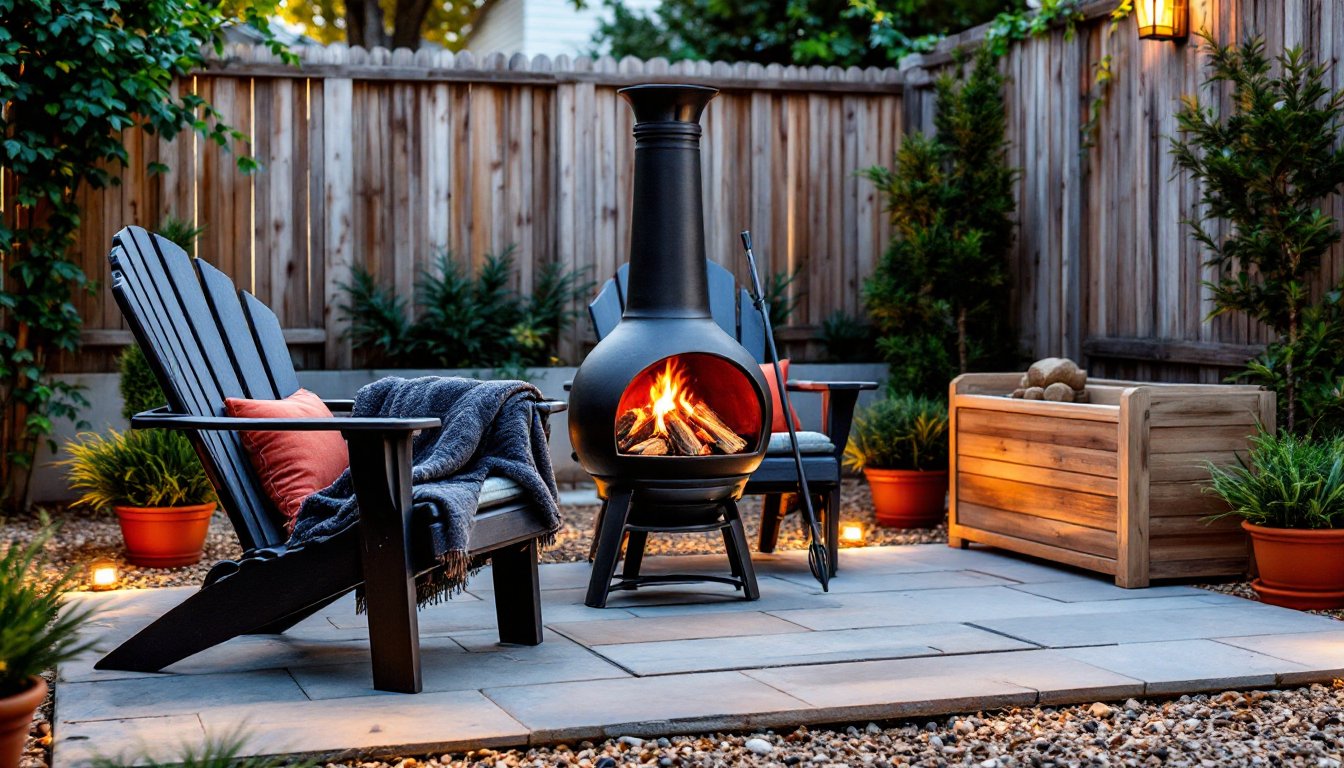

Building a Zen garden isn’t about recreating a postcard from Kyoto. It’s about carving out a corner of your yard where you can actually hear yourself think. Whether you’ve got a sprawling backyard or a 10×10 patch of dirt next to the patio, a well-designed Zen garden works as a legitimate outdoor retreat without the maintenance headaches of flower beds or lawns. This guide walks through the essential elements, material choices, and practical design approaches to create a calming space that won’t break the budget or require a landscape architecture degree.
Table of Contents
ToggleKey Takeaways
- A backyard zen garden brings intentional simplicity and meditative calm to any size yard by using strategically placed rocks, raked gravel patterns, and minimal plants rather than high-maintenance flower beds or lawns.
- Essential elements include weathered rocks of varying sizes (sourced locally when possible), landscape-fabric-backed pea gravel raked into patterns, and optional water features like pondless fountains that recirculate without complex maintenance.
- Design principles like odd-numbered rock groupings, asymmetrical balance, and negative space create visual rhythm, while borders and stepping stones guide movement and define the garden’s boundaries.
- Budget-friendly zen garden ideas include using salvaged materials, bulk gravel from landscape suppliers, container zen gardens for small spaces, and limiting plants to just 3-5 specimens like Japanese maple or mugo pine.
- Low-maintenance plant choices should be evergreens suited to your USDA hardiness zone; avoid invasive ground covers and fast-growing hedges that demand constant trimming.
- After initial installation and soil amendment, a zen garden requires minimal ongoing work—occasional raking, weeding, and plant trimming—making it a practical retreat that justifies the investment with lasting tranquility.
What Makes a Zen Garden Truly Calming
The core principle behind a Zen garden, karesansui or “dry landscape”, is intentional simplicity. These gardens originated in Japanese Buddhist monasteries as spaces for meditation, using arrangements of rock, gravel, and minimal vegetation to represent natural landscapes in abstracted form.
What separates a calming Zen garden from a random pile of rocks is deliberate asymmetry and negative space. Each element should have a purpose: a rock grouping might symbolize mountains, raked gravel patterns suggest flowing water, and empty areas allow the eye (and mind) to rest. Forget the urge to fill every square foot.
Key design principles include:
- Simplicity: Limit your palette. Three types of materials beat ten every time.
- Balance without symmetry: Odd-numbered groupings (3 or 5 rocks) feel more natural than matched pairs.
- Repetition: Consistent raking patterns or stone types create visual rhythm.
- Enclosure: Low walls, borders, or plantings define the space and separate it from lawn chaos.
A functional Zen garden doesn’t require authentic Japanese lanterns or imported sand. Use local materials where possible, you’ll save money and the garden will blend better with your region’s aesthetic. The goal is a space that invites you to slow down, not one that screams “themed landscape project.”
Essential Elements for Your Backyard Zen Garden
Rocks and Gravel
Rocks are the backbone. You’ll want a mix of sizes: larger “anchor” stones (100+ lbs) for focal points and smaller accent rocks to support the composition. Look for weathered stones with interesting textures, river rock, granite boulders, or local fieldstone all work. Avoid overly colorful or polished decorative rock: muted grays, tans, and earth tones keep things grounded.
Source stones locally when possible. Garden centers charge a premium: try landscape supply yards, quarries, or Craigslist. One quality boulder beats a dozen fist-sized rocks from the big-box store.
Gravel creates the “water” element through raking patterns. Pea gravel (¼” to ⅜” diameter) is the most common choice, it rakes smoothly and holds patterns well. Crushed granite or decomposed granite (DG) pack tighter and work in high-traffic areas, but they don’t rake as cleanly. Expect to cover 100 square feet with roughly 1 ton of gravel at a 2″ depth.
Before spreading gravel, lay down landscape fabric to suppress weeds. Skip the cheap stuff, get a commercial-grade woven fabric (3-4 oz per square yard minimum). Pin it down with landscape staples every 2-3 feet. Many homeowners considering backyard landscape design overlook this step and regret it when weeds punch through six months later.
For raking, a traditional bamboo or steel garden rake works. Some DIYers build custom rakes with different tine spacings to vary the pattern, just space finishing nails or dowels evenly across a 1×3 board.
Water Features
Water adds sound and movement, but it’s optional. A tsukubai (stone basin) or simple recirculating fountain provides the trickle without the complexity of a pond.
Pondless fountains are DIY-friendly: dig a reservoir pit, install a plastic basin liner, add a submersible pump (look for 50-100 GPH models for small features), and stack stones or a basin on top. The water recirculates, so you’re just topping off for evaporation, no filtration or fish to manage.
Run the pump on a GFCI-protected outdoor outlet. If you’re trenching a new line, bury UF-B cable at least 12 inches deep (check local code, some jurisdictions require 18″). For a temporary setup, use outdoor-rated extension cords rated for the pump’s amperage.
Skip water features if you live where freezing is common unless you’re willing to winterize (drain, pull the pump, cover). Cracked basins and burned-out pumps aren’t zen.
Budget-Friendly Zen Garden Designs for Small Spaces
You don’t need a half-acre to build a functional Zen garden. A 6×8 foot area tucked into a corner or alongside a fence is enough for a rock grouping, gravel bed, and a couple of plants.
Small-space strategies that actually work:
- Container Zen gardens: Use a large, shallow planter (24″+ diameter) filled with sand or fine gravel. Add a few small rocks and a succulent. It’s portable and perfect for patios or balconies.
- Vertical elements: A single upright stone or small bamboo screen adds height without eating floor space.
- Borrowed scenery: Position the garden to frame an existing tree, fence, or view beyond your property line.
Cost-saving tips for tight budgets:
- DIY gravel: Crushed stone or DG from a landscape yard runs $30-50 per ton delivered, versus bagged pea gravel at $5-8 per 0.5 cubic foot bag. Do the math, bulk wins every time.
- Salvaged materials: Reclaimed pavers, broken concrete (“urbanite”), or stones from your own yard cost nothing. Arrange thoughtfully and they look intentional.
- Minimal planting: Two or three well-placed plants beat a crowded bed. You’ll spend less on materials and maintenance.
If you’re working within the constraints of existing hardscape, a Zen garden pairs well with other backyard makeovers on a budget since it requires minimal ongoing investment once installed.
Creating Flow with Pathways and Borders
Pathways guide movement and define zones. In a Zen garden, they’re usually stepping stones rather than continuous walks. Space stones 18-24 inches apart for a comfortable stride. Irregular flagstone or flat river rock work well, avoid perfectly shaped pavers unless you’re after a formal look.
Set stones on a 2-3 inch sand base for stability. They should sit just proud of the surrounding gravel (about ½” above grade) so they don’t disappear. Test each stone by walking on it before backfilling, wobbles mean you need more sand or a flatter stone.
For winding paths, garden path upgrades often suggest gentle curves rather than hard angles. In a Zen garden, subtle arcs feel more natural and slow the pace, which is the whole point.
Borders contain the gravel and define the garden’s edge. Options include:
- Timber edging: Pressure-treated 4×4 or 6×6 landscape timbers. Secure with ½” rebar driven through pre-drilled holes every 3-4 feet.
- Stone or brick: Dry-stacked or mortared. Mortared edges prevent gravel migration but require more skill.
- Metal or composite edging: Flexible steel or plastic bender board stakes in easily and works for curves. Less visible than timber.
Edging should sit 1-2 inches above the gravel surface to contain raking. If it’s flush or below grade, gravel spills into the lawn and you’ll spend weekends picking rocks out of the mower deck.
Plant Selection for a Low-Maintenance Zen Garden
Traditional Zen gardens use evergreen shrubs, moss, and minimal flowering plants. The idea is year-round structure without the drama of seasonal blooms. Keep the plant count low, three to five specimens is plenty for a small garden.
Top plant choices for North American climates:
- Japanese maple (Acer palmatum): Slow-growing, sculptural form. Cultivars like ‘Bloodgood’ or ‘Sango Kaku’ handle zone 5-8. Expect 10-15 feet at maturity for most varieties: dwarf types stay under 8 feet.
- Mugo pine (Pinus mugo): Compact evergreen, hardy to zone 2. Stays under 4 feet with minimal pruning.
- Bamboo: Clumping varieties (Fargesia species) won’t invade your neighbor’s yard. Running bamboo (Phyllostachys) requires a root barrier at least 24 inches deep or you’ll regret it. HDPE barrier (30-40 mil thick) works: install it in a complete loop with overlapped, riveted seams.
- Ornamental grasses: Blue fescue, Japanese forest grass, or hakone grass add texture without maintenance. According to Japanese Zen garden principles, grasses introduce subtle movement that complements static rock arrangements.
- Moss: Gorgeous in theory, tricky in practice. Needs shade, consistent moisture, and acidic soil. If your yard is sunny and dry, skip it.
Planting tips that matter:
- Amend the soil before planting. Most nursery plants hate dense clay or pure sand. Mix in 2-3 inches of compost and till to 8-10 inches deep.
- Mulch with stone instead of bark. Decomposed granite or small river rock keeps the aesthetic consistent and lasts indefinitely.
- Water deeply during establishment (first 1-2 years). After that, most of these plants tolerate drought.
If you’re limited to a shaded urban space, consider how vertical garden walls can incorporate ferns or shade-loving groundcovers without sprawling horizontally. In a Zen context, a moss-covered wall can substitute for traditional ground planting.
Avoid these common mistakes:
- Flowering annuals: They clash with the restrained palette and die every winter.
- Fast-growing hedges: Privet or Leyland cypress require constant trimming. Stick with slow-growers.
- Invasive ground covers: English ivy, vinca, and creeping jenny will strangle your rocks and invade the gravel.
Resources like The Spruce offer detailed care guides for specific species, but the key is choosing plants suited to your USDA hardiness zone and actual sun exposure, not what looks good in a magazine photo.
If you’re planning multiple backyard landscaping designs, the Zen garden can serve as a low-water anchor while more intensive plantings occupy other zones. The contrast between a dynamic perennial bed and a quiet gravel garden often works better than trying to make the whole yard match one style.
Finally, maintain realistic expectations. A Zen garden isn’t zero-maintenance, you’ll rake, pull the occasional weed, and trim plants, but it requires far less than a lawn or traditional flower bed. For more ideas on creating functional outdoor spaces with minimal upkeep, Sunset’s garden guides provide region-specific advice tailored to Western climates and water-conscious design.
The payoff is a backyard corner that doesn’t demand constant attention, where the only real work is sitting down and actually using it.