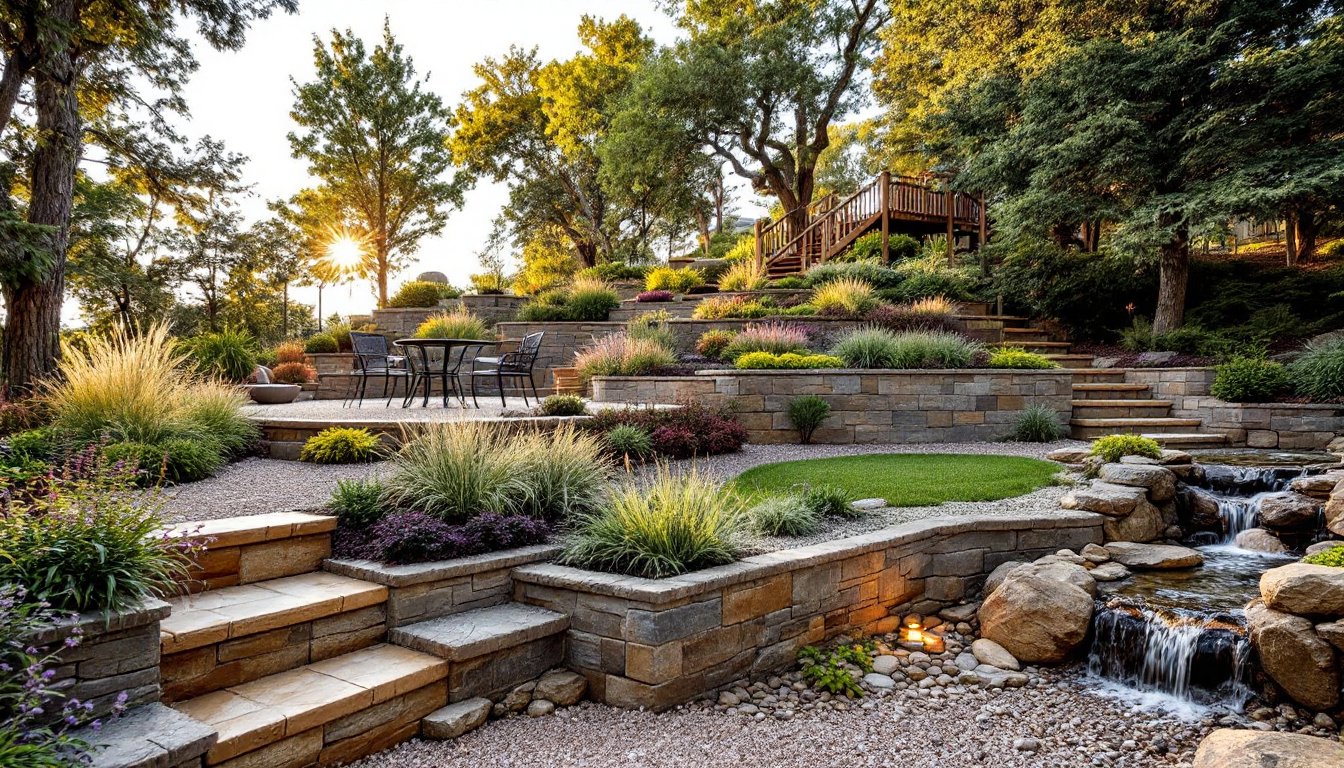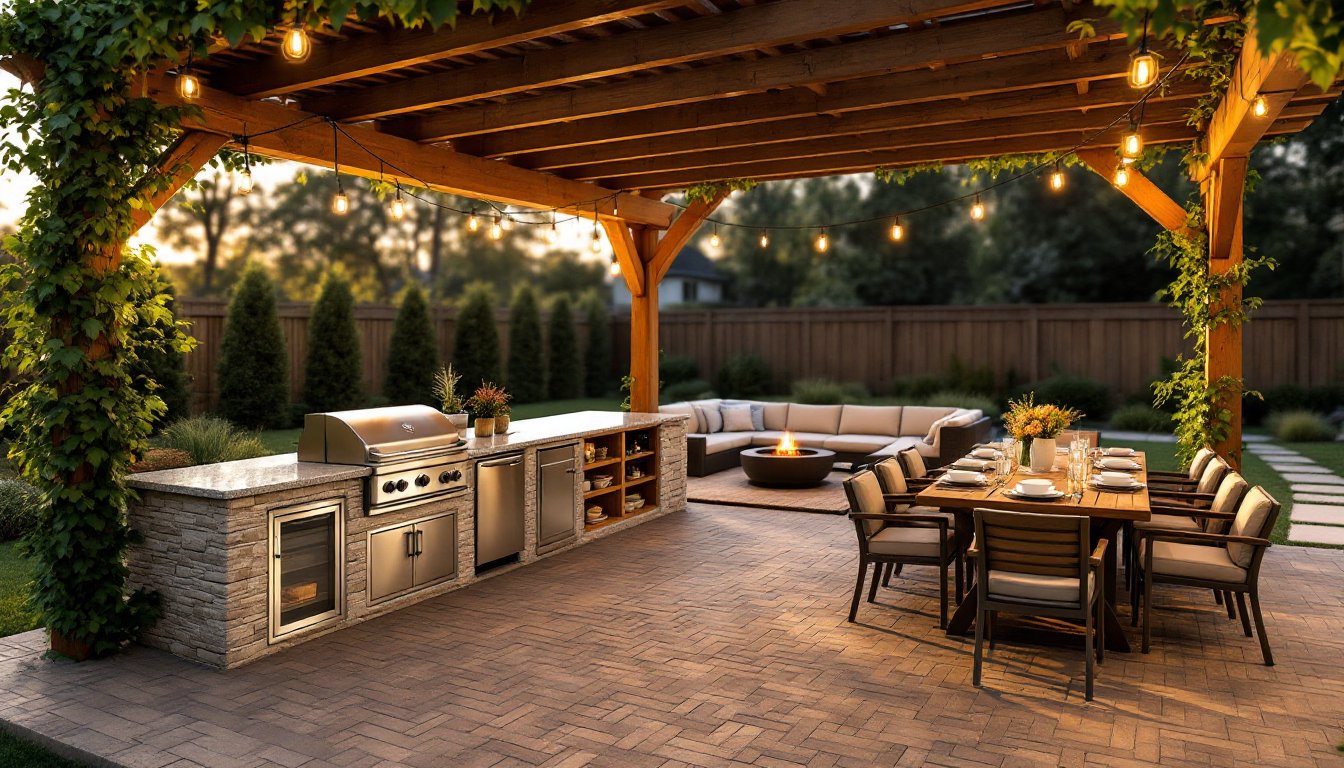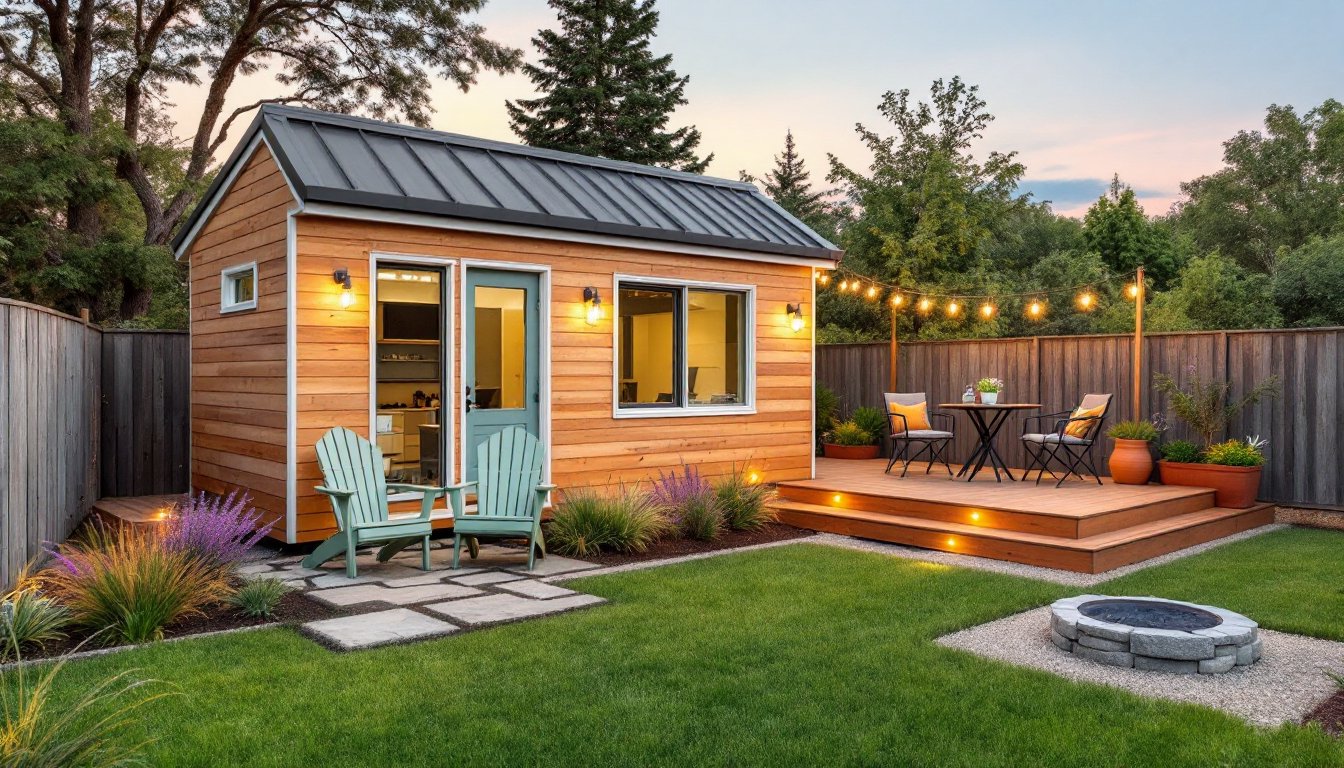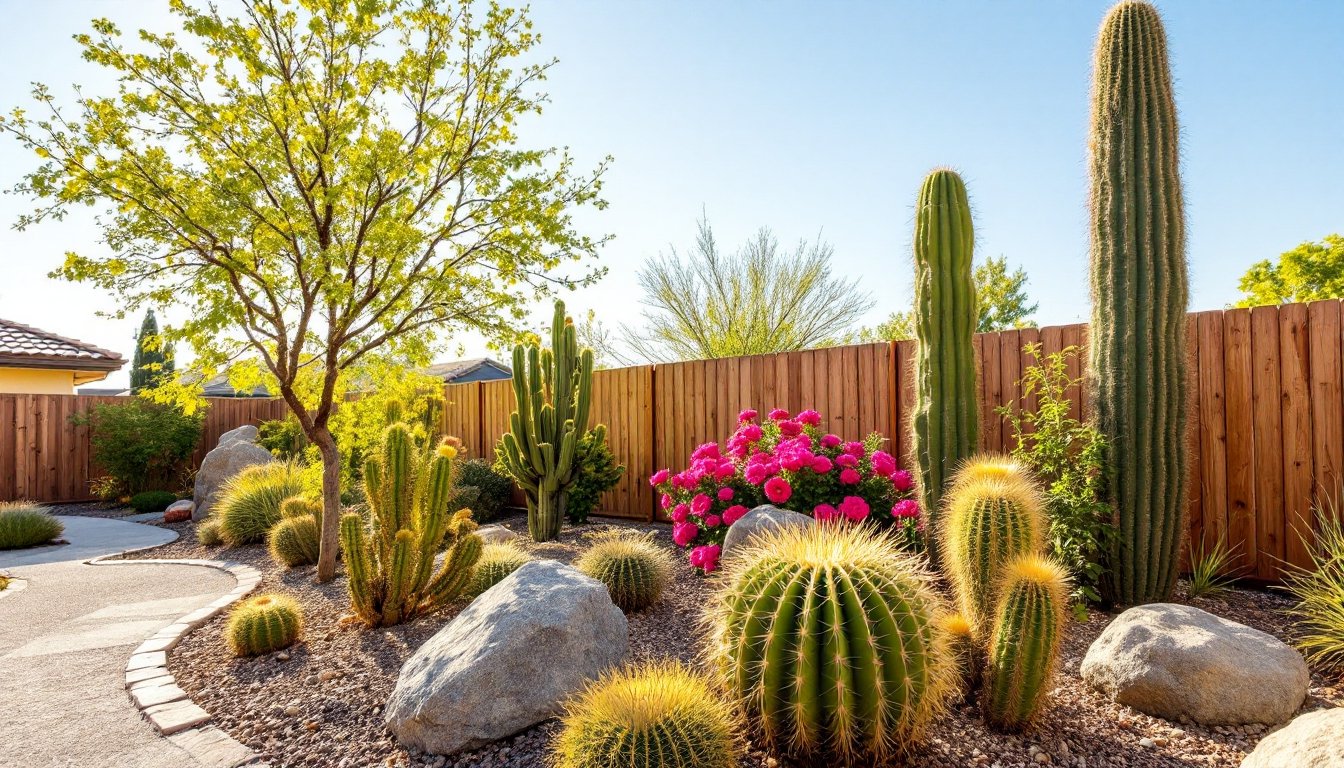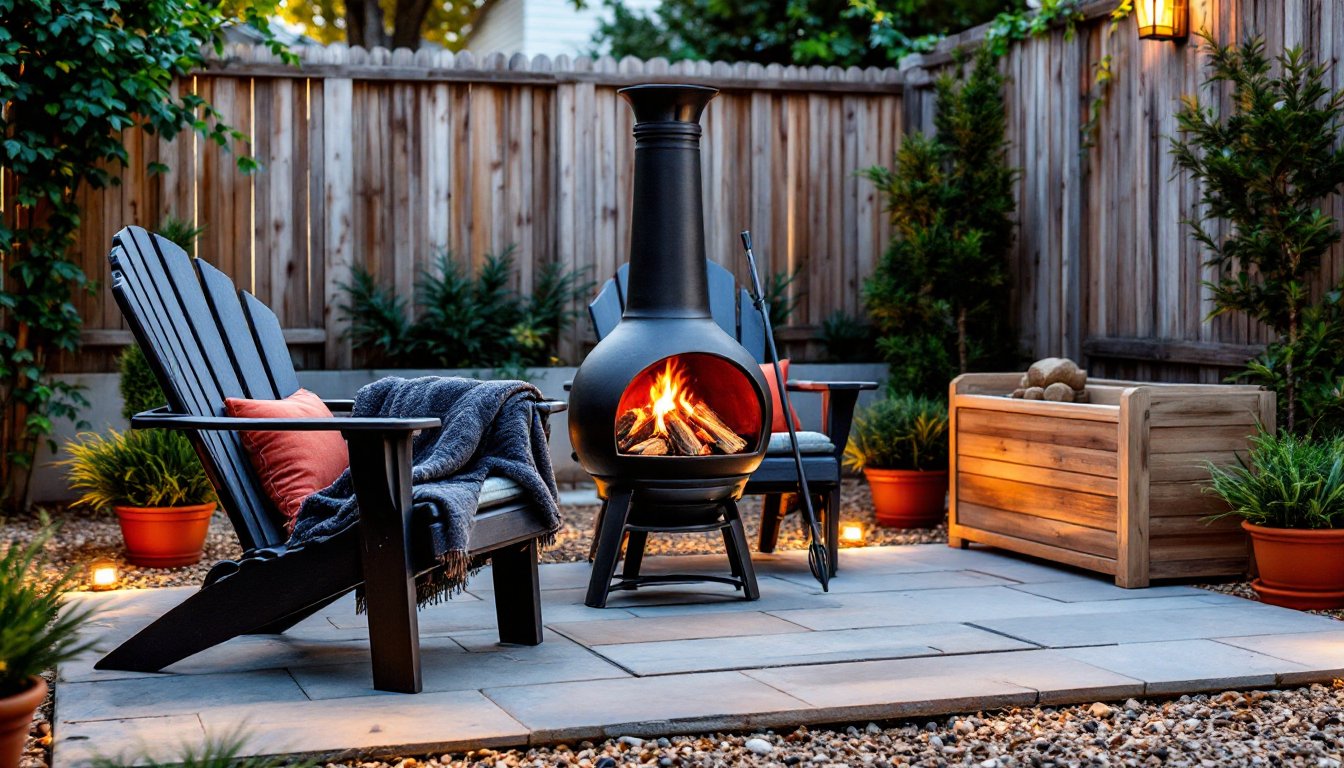

A well-planted backyard does more than look nice, it creates structure, privacy, and year-round interest without constant upkeep. Whether working with a sprawling lawn or a narrow side yard, the right plants anchor hardscape features, soften fence lines, and turn empty beds into productive or pollinator-friendly zones. This guide covers foundation plants for bones, flowering varieties for color, low-maintenance perennials, edible landscaping, privacy screens, and container options for tight spaces. Each category balances aesthetics with practicality, helping homeowners choose plants that suit their climate, soil, and schedule.
Table of Contents
ToggleKey Takeaways
- Foundation plants like boxwood, yew, and arborvitae provide year-round structure and visual interest while requiring minimal maintenance once established.
- Stagger bloom times with hydrangeas, roses, salvias, and daylilies to keep backyard plants ideas fresh and colorful from spring through frost.
- Low-maintenance perennials such as hostas, sedums, and ornamental grasses thrive on neglect in poor soil, reducing watering and replanting demands.
- Edible landscaping with blueberries, herbs, dwarf fruit trees, and decorative vegetables like kale combines food production with attractive garden design.
- Privacy screens using Leyland cypress, privet, or bamboo establish natural borders faster than fences while creating depth and softening property lines.
- Container gardens and vertical trellises maximize planting options in small backyards, allowing dwarf evergreens, climbing plants, and herbs to multiply growing areas on patios and walls.
Best Foundation Plants for Year-Round Structure
Foundation plants form the backbone of any landscape design, providing evergreen coverage and consistent height when annuals fade. These are the plants that hold visual interest from January through December.
Boxwood (Buxus) remains the go-to for formal hedges and corner anchors. Dwarf varieties like ‘Green Gem’ stay under 3 feet, while ‘Green Mountain’ reaches 5 feet unpruned. Boxwood tolerates partial shade and heavy shearing, making it ideal for borders along patios or walkways. Plant specimens 2–3 feet apart for a continuous hedge: wider spacing works for individual accents.
Japanese yew (Taxus cuspidata) handles deep shade better than most evergreens and survives neglect once established. It grows slowly, about 6 inches per year, so size selection matters. ‘Capitata’ forms a columnar shape for vertical accents: ‘Nana’ spreads low and wide for foundation beds. Yews prefer well-drained soil: avoid clay that stays wet.
Arborvitae (Thuja) offers fast vertical screening. ‘Green Giant’ can add 3 feet per year in good conditions, eventually topping out at 40–60 feet if left unpruned. For tighter spaces, ‘Emerald Green’ maxes out around 12–15 feet with a narrow 3–4 foot spread. Space arborvitae at least 3–5 feet apart for privacy screens, or plant them as standalone specimens in corner beds.
Dwarf conifers like ‘Blue Star’ juniper or ‘Little Gem’ spruce add texture variation without overwhelming small yards. These slow-growing varieties stay compact, often under 3 feet after ten years, and pair well with ornamental grasses or flowering perennials in mixed borders.
Colorful Flowering Plants to Brighten Your Backyard
Flowering plants inject seasonal color and draw pollinators, but choosing varieties with staggered bloom times keeps beds interesting longer than a single spring flush.
Hydrangeas deliver big, showy clusters from mid-summer into fall. ‘Annabelle’ (smooth hydrangea) blooms on new wood, so late-winter pruning won’t sacrifice flowers. Panicle hydrangeas like ‘Limelight’ tolerate more sun and shift from green to pink as blooms mature. Bigleaf hydrangeas (H. macrophylla) require partial shade and consistent moisture: their bloom color shifts with soil pH, acidic soil yields blue flowers, alkaline leans pink.
Roses range from low-maintenance shrub types to fussy hybrid teas. Knock Out® roses bloom repeatedly with minimal deadheading and resist black spot better than older cultivars. For climbing varieties, ‘New Dawn’ or ‘Zephirine Drouhin’ (thornless) work well on arbors or pergolas. Plant roses in full sun (6+ hours) with good air circulation to reduce fungal issues. Space shrub roses 3–4 feet apart: climbers need 6–8 feet of vertical support.
Salvia (Salvia nemorosa) produces upright spikes in purple, pink, or white from late spring through frost if deadheaded. ‘May Night’ and ‘Caradonna’ stay compact at 18–24 inches and pair well with ornamental grasses. Salvias tolerate heat and drought once rooted, making them reliable performers in sunny beds.
Daylilies (Hemerocallis) bloom for weeks if you plant early, mid, and late-season varieties together. Each flower lasts one day, but established clumps produce dozens of buds on sturdy scapes. ‘Stella de Oro’ reblooms throughout summer: taller varieties like ‘Happy Returns’ reach 24–30 inches. Divide clumps every 3–4 years to maintain vigor.
Easy-Care Perennials for Low-Maintenance Landscaping
Perennials return year after year with minimal intervention, cutting down on replanting labor and annual plant budgets. Many of the best low-maintenance plants thrive on neglect once established.
Hostas dominate shady borders. Varieties range from miniature 6-inch mounds to giant 3-foot specimens with leaves the size of dinner plates. ‘Sum and Substance’ tolerates more sun than most hostas: ‘Blue Mouse Ears’ stays petite for edging. Slugs can shred foliage, scatter iron phosphate bait in early spring if damage appears. Hostas spread slowly and rarely need division.
Sedum (stonecrop) handles poor soil, drought, and neglect. ‘Autumn Joy’ forms 18–24 inch clumps with pink flower heads that darken to rust by fall, persisting through winter for structure. Low-growing varieties like ‘Dragon’s Blood’ creep between pavers or over rock walls. Sedums store water in fleshy leaves, so skip supplemental irrigation unless plants visibly wilt.
Ornamental grasses add movement and texture. ‘Karl Foerster’ feather reed grass shoots up narrow 4–5 foot plumes in early summer and holds its form through winter. ‘Morning Light’ maiden grass forms arching 5–6 foot clumps with fine, variegated foliage. Cut grasses back to 6 inches in late winter before new growth emerges. Most prefer full sun and tolerate clay or sandy soils.
Black-eyed Susan (Rudbeckia) blooms from July into October with golden-yellow petals around dark centers. ‘Goldsturm’ stays compact at 24 inches: native R. hirta self-seeds freely (which can be a plus or a nuisance depending on your tolerance for volunteers). Deadhead spent flowers to prolong bloom, or leave seed heads for winter bird feeding and visual interest.
Edible Plants That Double as Landscape Features
Edible landscaping blends food production with ornamental value, turning vegetable beds into design elements. Many edibles rival traditional ornamentals in appearance.
Blueberries (Vaccinium) offer spring flowers, summer fruit, and red-orange fall foliage. Northern highbush varieties like ‘Bluecrop’ or ‘Jersey’ tolerate cold winters: southern highbush types suit warmer zones. Blueberries require acidic soil (pH 4.5–5.5), amend with sulfur or peat moss if your native soil runs alkaline. Plant at least two varieties for cross-pollination and heavier fruit set. Mature bushes reach 4–6 feet and work well as informal hedges.
Herbs provide fragrance, texture, and culinary use. Rosemary grows into a 3–4 foot shrub in mild climates: upright varieties like ‘Tuscan Blue’ anchor corners, while prostrate types cascade over retaining walls. Lavender forms silvery mounds that bloom purple in summer, shear spent flowers to maintain shape. Thyme creeps between flagstones: oregano spreads vigorously (contain it or let it naturalize). Most herbs demand full sun and well-drained soil: overwatering causes root rot.
Fruit trees on dwarf rootstock fit smaller yards. A semi-dwarf apple tops out around 12–15 feet, manageable for pruning and harvest without a ladder. Espalier training flattens trees against fences or walls, saving space while adding architectural interest. Many fruit trees require a second variety for pollination, check cultivar compatibility before planting. Expect 3–5 years before significant fruit production.
Kale and Swiss chard add bold foliage color. ‘Lacinato’ kale (also called dinosaur kale) forms upright 2–3 foot stalks with blue-green, textured leaves. ‘Bright Lights’ chard produces stems in yellow, orange, pink, and red, plant it in front borders like you would ornamental grasses. Both tolerate light frost and often look better in fall than summer.
Privacy Plants for Natural Screening and Borders
Living screens soften property lines and block sightlines more gracefully than fences, though they take longer to establish. Many homeowners combine plants with existing fencing for layered outdoor makeover strategies that add depth.
Leyland cypress (× Cuprocyparis leylandii) grows 3–4 feet per year, quickly forming a dense 15–20 foot wall. It tolerates a range of soils but suffers in poorly drained clay. Space plants 6–8 feet apart for screening: closer spacing speeds coverage but increases competition for water and nutrients. Leyland cypress requires annual shearing to control height and maintain density, neglected trees become leggy at the base.
Privet (Ligustrum) forms a classic formal hedge. It tolerates heavy pruning and bounces back from harsh shearing. ‘Cheyenne’ privet handles cold better than common privet: variegated types like ‘Sunshine’ add gold foliage for contrast. Privet grows quickly, expect 2–3 feet per year, but demands frequent trimming to stay tidy. Plant 2–3 feet apart for a solid hedge.
Bamboo provides instant tropical texture but requires containment. Running bamboo spreads aggressively via underground rhizomes: install 30-inch-deep HDPE root barriers or plant clumping varieties like Fargesia instead. Clumping bamboo stays put, reaching 8–15 feet depending on species, and works well in narrow side yards where width is limited. Bamboo thrives in partial shade and moist soil.
Photinia (Photinia × fraseri) flushes bright red new growth in spring, maturing to glossy green. ‘Red Robin’ reaches 10–12 feet and responds well to hedging. It prefers full sun but tolerates part shade. Space plants 4–5 feet apart for screening. Photinia can develop leaf spot in humid climates, ensure good air circulation and avoid overhead watering.
Container and Vertical Garden Plant Ideas for Small Backyards
Limited ground space doesn’t eliminate planting options. Containers and vertical structures multiply growing areas on patios, balconies, and narrow side yards, and many garden makeover projects incorporate vertical elements for small-space solutions.
Container sizing matters more than most beginners realize. A 14–16 inch diameter pot suits most perennials and small shrubs: anything smaller dries out too quickly in summer. Use potting mix, not garden soil, potting mix drains better and weighs less. Self-watering containers reduce irrigation frequency, helpful for sun-exposed patios.
Dwarf evergreens like boxwood, Alberta spruce, or hinoki cypress hold their shape in containers for years. Pair them with seasonal annuals for year-round structure plus rotating color. Repot every 2–3 years or top-dress with fresh potting mix when roots fill the container.
Vertical trellises turn walls into planting zones. Clematis, climbing roses, or annual vines like morning glory cover 6–8 feet of vertical space in a single season. Attach trellises 2–3 inches away from siding or fences for air circulation and to prevent moisture damage. For edibles, pole beans or indeterminate tomatoes climb 6-foot stakes or cages, producing more per square foot than bush varieties.
Living walls and pocket planters suit herbs, succulents, or trailing annuals. Mount modular felt pockets or stacked planters on fence sections or garage walls. These systems work best with drip irrigation or frequent hand-watering since small pockets dry fast. Shade-tolerant ferns or hostas fill north-facing walls: sun-lovers like sedums or trailing petunias suit south exposures. Design experts at The Spruce note that living walls require more maintenance than ground plantings but deliver high visual impact in tight quarters.
Windowboxes extend planting space on railings or ledges. Standard boxes measure 6–8 inches deep, enough for annuals and herbs but too shallow for most perennials. Secure boxes with brackets rated for soil weight when wet (soil plus water can exceed 50 pounds for a 3-foot box). Trailing plants like ivy geraniums or sweet potato vine soften box edges.
Conclusion
Building a backyard plant palette around structure, color, and function creates outdoor spaces that perform well with less intervention. Foundation evergreens anchor beds year-round, flowering perennials deliver seasonal interest, and edible or privacy plants add dual-purpose value. Whether working with full sun or deep shade, containers or open beds, matching plant needs to site conditions sets up long-term success with less water, fertilizer, and replacement cost down the line.