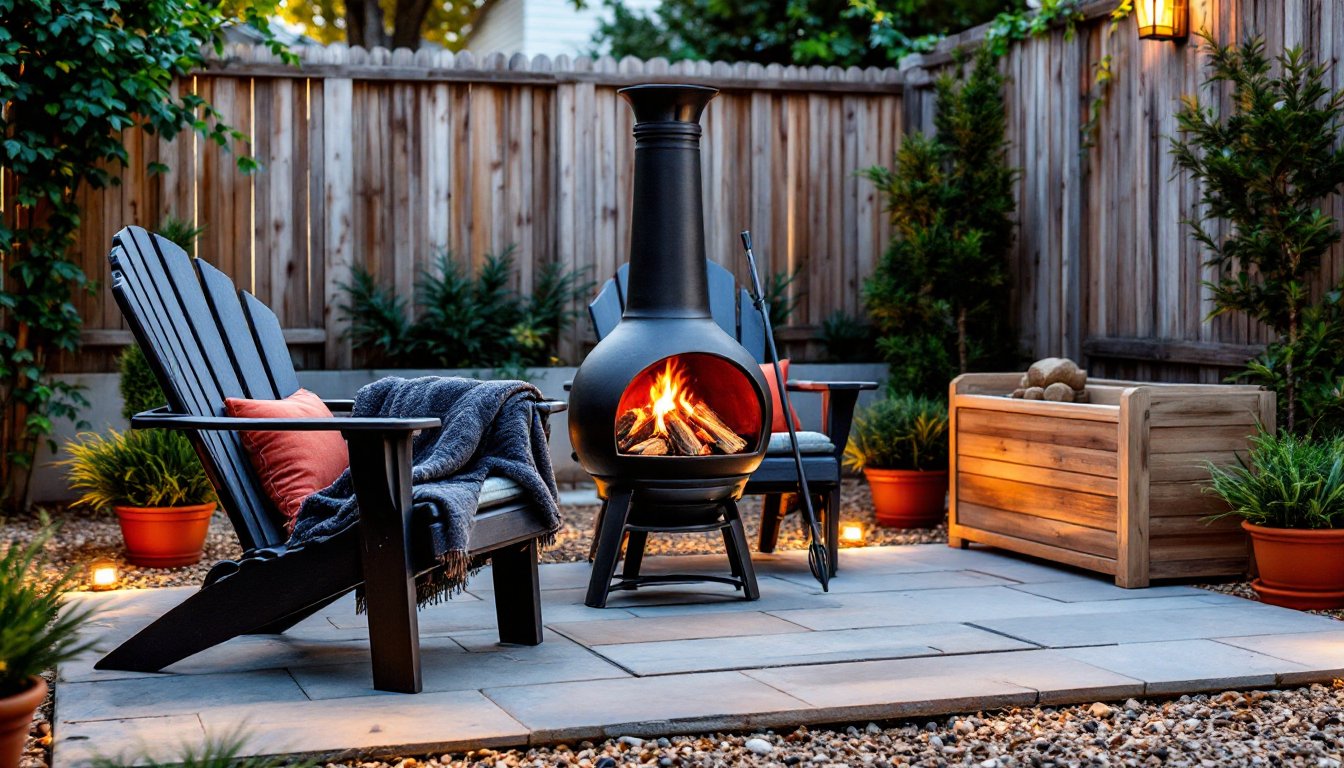

A solid fence isn’t the only way to block the neighbor’s view of your deck or create a quieter outdoor space. Living privacy screens, hedges, groves, and dense plantings, offer year-round coverage, soften ambient noise, and add real value to a property. Unlike vinyl or wood, they don’t rot, fade, or require re-staining every few years. But choosing the right plants means balancing growth rate, mature height, root behavior, and hardiness zone. This guide walks through the best privacy plants for different climates and lot conditions, plus the planting and care steps that keep a hedge dense and healthy for decades.
Table of Contents
ToggleKey Takeaways
- Backyard privacy plants offer superior value compared to fences—they absorb sound, require no restaining, handle sloped terrain, and support wildlife while often costing less per linear foot.
- Evergreens like arborvitae ‘Green Giant’ and Leyland Cypress provide year-round coverage, with growth rates of 3–5 feet annually, making them ideal for achieving quick privacy screening.
- Success depends on matching species to your USDA hardiness zone, soil drainage, and sun exposure—arborvitae and cypress need full sun and well-drained soil, while holly and skip laurel tolerate shade better.
- Proper spacing, drip irrigation on a timer, and 2–3 inches of mulch during the first two years are essential to prevent patchy or diseased hedges and ensure long-term density.
- Layering plants of different heights and textures creates more effective privacy screening than a single-species hedge, especially in tight urban spaces or near property lines.
Why Choose Plants for Backyard Privacy?
Fences hit property lines and stop. Plants can stagger, layer, and bend around features like patios, play areas, or sheds. A well-chosen hedge absorbs sound, especially helpful near busy streets, and filters dust and headlight glare better than solid barriers.
From a cost perspective, bare-root or containerized shrubs often run less per linear foot than cedar or composite fencing, though they take time to fill in. A 6-foot cedar fence averages $25–$40 per linear foot installed, depending on region and material grade, while a row of five-gallon arborvitae runs $50–$90 each and can be planted DIY.
Plants also handle grading issues more gracefully. Sloped lots that require stepped fence panels can be planted with a continuous hedge that follows the grade. And unlike fence posts, roots won’t heave with freeze-thaw cycles if you choose zone-appropriate species.
Finally, living screens support pollinators and birds, improve air quality, and won’t end up in a landfill. They do, but, require irrigation during establishment and occasional pruning, so they’re not zero-maintenance.
Best Evergreen Plants for Year-Round Privacy
Evergreens hold foliage through winter, which is the entire point of a privacy screen. Deciduous hedges look great in summer but turn skeletal from November to April. If year-round coverage matters, stick with conifers or broadleaf evergreens rated for your USDA hardiness zone.
Arborvitae and Leyland Cypress
Arborvitae (Thuja spp.) is the default privacy plant across much of North America. ‘Green Giant’ tolerates zones 5–8, grows 3–5 feet per year when young, and reaches 30–40 feet tall with a 12–15 foot spread if left unpruned. For tighter spaces, ‘Emerald Green’ stays narrower, around 3–4 feet wide, and tops out at 12–14 feet. Both prefer full sun and well-drained soil. Space them 4–6 feet on center for a hedge, closer for faster fill-in but higher competition for water.
Leyland Cypress (× Cuprocyparis leylandii) grows even faster, up to 4 feet per year, and thrives in zones 6–10. It handles heat and humidity well, making it popular in the Southeast. Mature height hits 50–60 feet, so annual pruning is non-negotiable unless you want a windbreak for a barn. Downside: susceptibility to bagworms and canker diseases, especially in poorly drained sites. Inspect foliage monthly during growing season and prune out any browning branches immediately to limit spread.
Both species need consistent moisture for the first two years. Drip irrigation on a timer beats hand-watering and prevents the uneven growth that comes from sporadic soaking.
Bamboo and Holly Varieties
Clumping bamboo (Fargesia spp.) offers a modern, vertical screen without the invasive root spread of running types. ‘Rufa’ and ‘Robusta’ stay 8–13 feet tall, tolerate partial shade, and work well in narrow side yards where a 15-foot arborvitae would overwhelm the space. Plant in large containers or install a root barrier (40-mil HDPE, buried 24–30 inches deep) if you’re using running bamboo like Phyllostachys. Even “clumping” types expand slowly: leave 5–6 feet between centers.
Bamboo needs regular water and benefits from an annual spring application of balanced slow-release fertilizer (10-10-10 or similar). Thin out older culms every 2–3 years to maintain density at eye level.
Holly (Ilex spp.) works where deer pressure is high, they avoid the spiny leaves. ‘Nellie Stevens’ (zones 6–9) reaches 15–25 feet and produces red berries on female plants if a male pollinator is nearby. ‘Sky Pencil’ offers a columnar form under 10 feet tall and 2 feet wide, ideal for tight urban lots. Holly tolerates part shade and a range of soil types, though growth slows in heavy clay without amendments.
These backyard landscape design ideas often layer evergreens with flowering shrubs for seasonal interest without sacrificing winter coverage.
Fast-Growing Privacy Plants for Quick Coverage
Patience isn’t everyone’s strong suit. If the goal is screening within two to three growing seasons, prioritize annualized growth rate over ultimate size, just be ready to prune.
Thuja ‘Green Giant’ and Leyland Cypress (covered above) lead the conifer category. Among broadleaf evergreens, Skip Laurel (Prunus laurocerasus ‘Schipkaensis’) grows 2–3 feet per year in zones 5–9, reaches 10–15 feet tall, and handles shade better than most. Glossy leaves stay dark green through winter. Prune after the spring flush to control width.
Privet (Ligustrum spp.) is semi-evergreen to deciduous depending on climate, but it grows so fast, up to 3 feet per year, that it fills in by mid-summer. ‘Cheyenne’ privet holds foliage longer in cold zones (4–8) and tolerates urban pollution and road salt. Expect to shear twice per season to keep it formal, or let it grow loose for a cottage look.
For a softer texture, Photinia × fraseri ‘Red Tip’ delivers bright red new growth in spring, maturing to green. It grows 2–3 feet annually, reaches 10–15 feet, and thrives in zones 7–9. Susceptible to leaf spot in humid climates: avoid overhead irrigation and space plants for airflow.
Willow hybrids (Salix spp.) top the speed chart at 6–10 feet per year, but they’re messy, brittle in ice storms, and short-lived. Use them as a temporary screen while slower evergreens mature, then remove them.
Fast growth demands more water and nutrients. Plan on weekly deep watering during establishment and a spring feeding with a balanced granular fertilizer at the rate listed on the bag (typically 1–2 lbs. per 100 square feet).
How to Choose the Right Privacy Plants for Your Yard
Start with your USDA hardiness zone and average annual rainfall. A plant that thrives in Seattle’s marine climate will struggle in Phoenix without serious irrigation infrastructure. Cross-reference your zone with the species’ native range or proven adaptability.
Measure the planting strip. If you have 4 feet between a fence and a patio, don’t plant something that spreads 12 feet. Check mature width as well as height, nursery tags often list only height, but width determines spacing and long-term pruning labor.
Consider sun exposure. Most fast-growing privacy plants want full sun (6+ hours daily). Shade slows growth and thins foliage on arborvitae and cypress. For partial shade (3–6 hours), try holly, skip laurel, or certain yew cultivars (Taxus spp.).
Evaluate soil drainage. Dig a test hole 12 inches deep, fill it with water, and time how long it takes to drain. If water sits for more than 4 hours, you have poor drainage. Amend with compost or build a raised berm. Cypress and willow tolerate wet feet: arborvitae and photinia do not.
Check for underground utilities before digging. Call 811 at least two business days before planting. Hitting a gas or electric line turns a weekend project into a safety incident and a fine.
Finally, research local ordinances. Some HOAs and municipalities cap hedge height at 6 or 8 feet, or require setbacks from property lines. Verify before you buy.
According to landscape professionals who focus on urban privacy plantings, layering plants of different heights and textures creates more effective screening than a single-species hedge, especially in tight quarters.
Planting and Maintenance Tips for Privacy Hedges
Site prep makes or breaks long-term success. Clear turf and weeds from the planting strip using a sod cutter (rent one for about $90/day) or herbicide. Till or loosen soil to 12 inches deep, mixing in 2–3 inches of compost if you’re working with heavy clay or sandy soil. This improves drainage and provides organic matter as roots establish.
Spacing depends on desired density and growth rate. For a formal hedge, space plants so their mature canopies touch, typically half the mature width. For faster fill-in, plant closer and thin later, but know you’re spending more upfront.
Dig holes twice the width of the root ball and just as deep, no deeper. Planting too low invites crown rot. Backfill with native soil (don’t add amendments directly to the hole: it creates a “bathtub” effect). Water thoroughly to settle soil and eliminate air pockets.
Install drip irrigation or soaker hoses before mulching. A simple zone on a timer saves hours of hand-watering and delivers consistent moisture. Run it for 30–45 minutes twice per week during establishment, adjusting for rainfall.
Apply 2–3 inches of mulch (shredded bark, wood chips) around each plant, keeping it 2–3 inches away from the trunk to prevent rot. Mulch conserves moisture, suppresses weeds, and moderates soil temperature.
Pruning starts in year two. For conifers, trim new growth by one-third in late spring to encourage branching. For broadleaf evergreens, prune after the spring flush. Use bypass pruners for stems under ¾ inch, loppers for up to 1½ inches, and a hedge trimmer (corded or battery) for shearing formal shapes. Wear safety glasses and hearing protection with gas trimmers.
Monitor for pests and disease. Bagworms, spider mites, and scale insects all target evergreens. Hand-pick bagworms in early summer before they hatch. Treat mites and scale with horticultural oil sprayed per label directions. Remove and destroy any branches showing canker or blight.
Fertilize annually in early spring with a slow-release granular formula. Avoid high-nitrogen blends late in the season, they push tender growth that won’t harden off before frost.
Many design resources, including those from home and garden publishers and regional lifestyle guides, emphasize that proper spacing and irrigation prevent the common pitfalls that leave privacy hedges patchy or diseased within five years.
Safety note: Always call 811 before digging. Wear gloves when handling hollies or other spiny plants. If using power tools, read the manual and keep bystanders clear of the work area.
With the right species for your zone, adequate spacing, and consistent water during establishment, a living privacy screen will outlast most fences and improve every year.