
Let’s face it, your backyard should be more than just a patch of grass where your dog does its business. With the right landscape design ideas, it can be a paradise where friends gather for barbecues, kids play, and you enjoy your morning coffee in peace. Whether you’re dreaming of lush gardens or sleek modern patios, this guide will provide you the insights you need to turn that potential into reality. So, grab your gardening gloves and a sunhat: it’s time to get those creative juices flowing.
Understanding Your Space
Assessing the Area
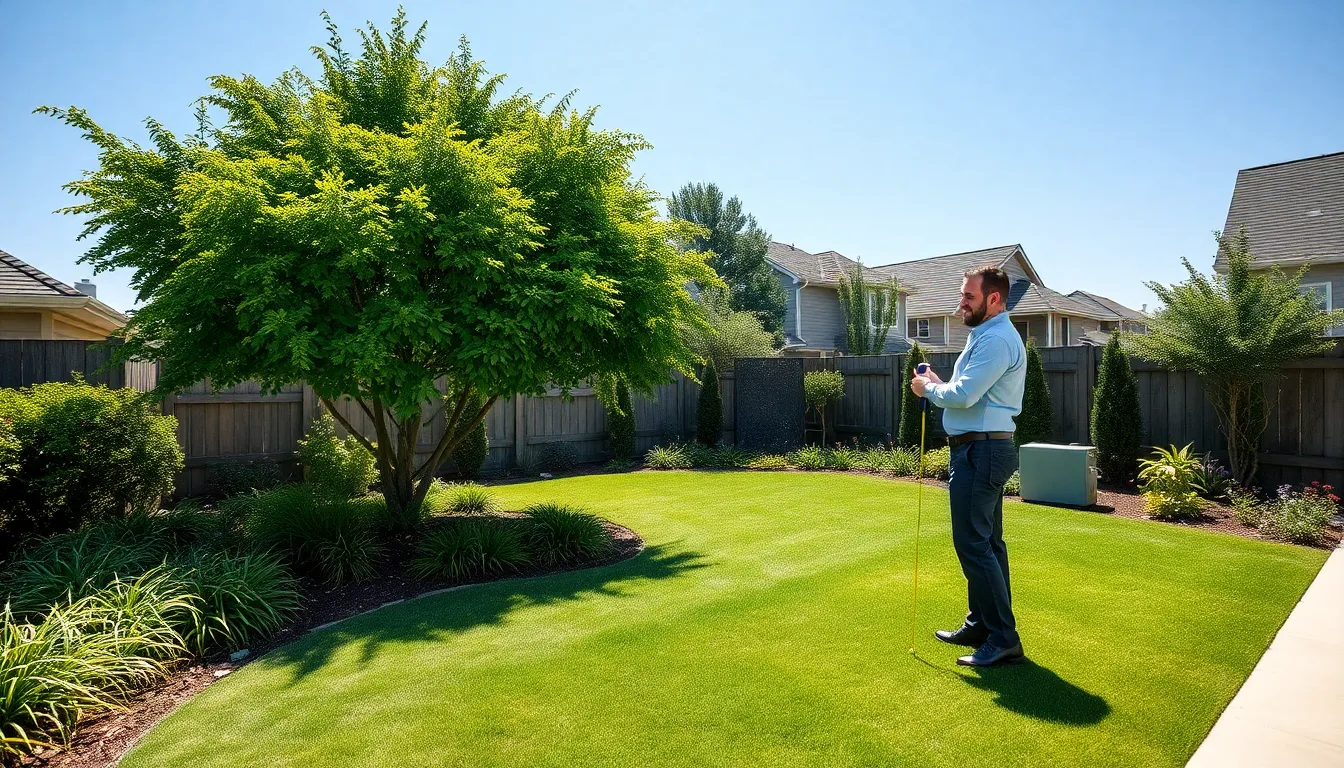
Before diving into design, it’s crucial to take a good look at what you have. Measure your area, observe sunrise and sunset patterns, and note existing structures. Is there a lot of shade? Are there any slopes? Understanding these characteristics shapes the design process significantly.
Identifying Features and Limitations
Next, consider the standout features of your backyard. Do you have a beautiful tree that could be a centerpiece or an unattractive utility box that needs camouflage? Identifying both strengths and weaknesses helps develop a cohesive plan that maximizes your space’s potential.
Setting Your Goals
Choosing a Design Style
Every backyard needs a vision. Think about how you want to use it, entertaining, relaxing, gardening, or even all three? From contemporary chic to rustic charm, setting a style goal makes planning faster and more exciting.
Modern vs. Traditional
Modern designs often include minimalist elements, clean lines, and a focus on hardscaping, while traditional designs tend to favor layered plantings and more intricate features. Depending on personal preferences, blending these styles can create a unique atmosphere.
Incorporating Nature and Functionality
Water Features and Focal Points
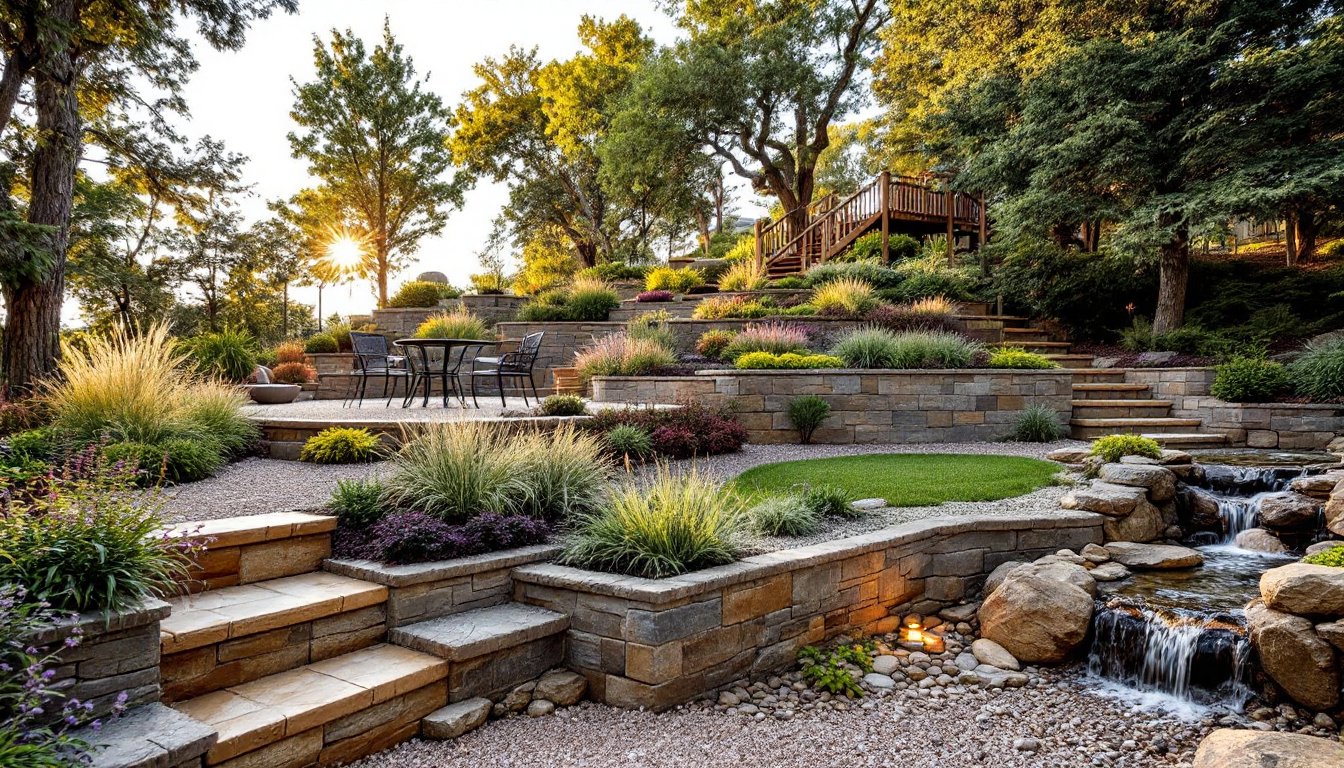
Water features, such as fountains, ponds, or even small waterfalls, can add an element of tranquility to your backyard. They provide a sensory experience with sounds and visuals that draw the eye. They could even become the focal point of the entire design.
Hardscaping Elements
Stone patios, walkways, and retaining walls not only create structure but also define spaces in your backyard. Pairing softscaping (plants) with hardscaping can bring balance and functionality to your outdoor oasis.
Creating Outdoor Living Areas
Patios and Decks
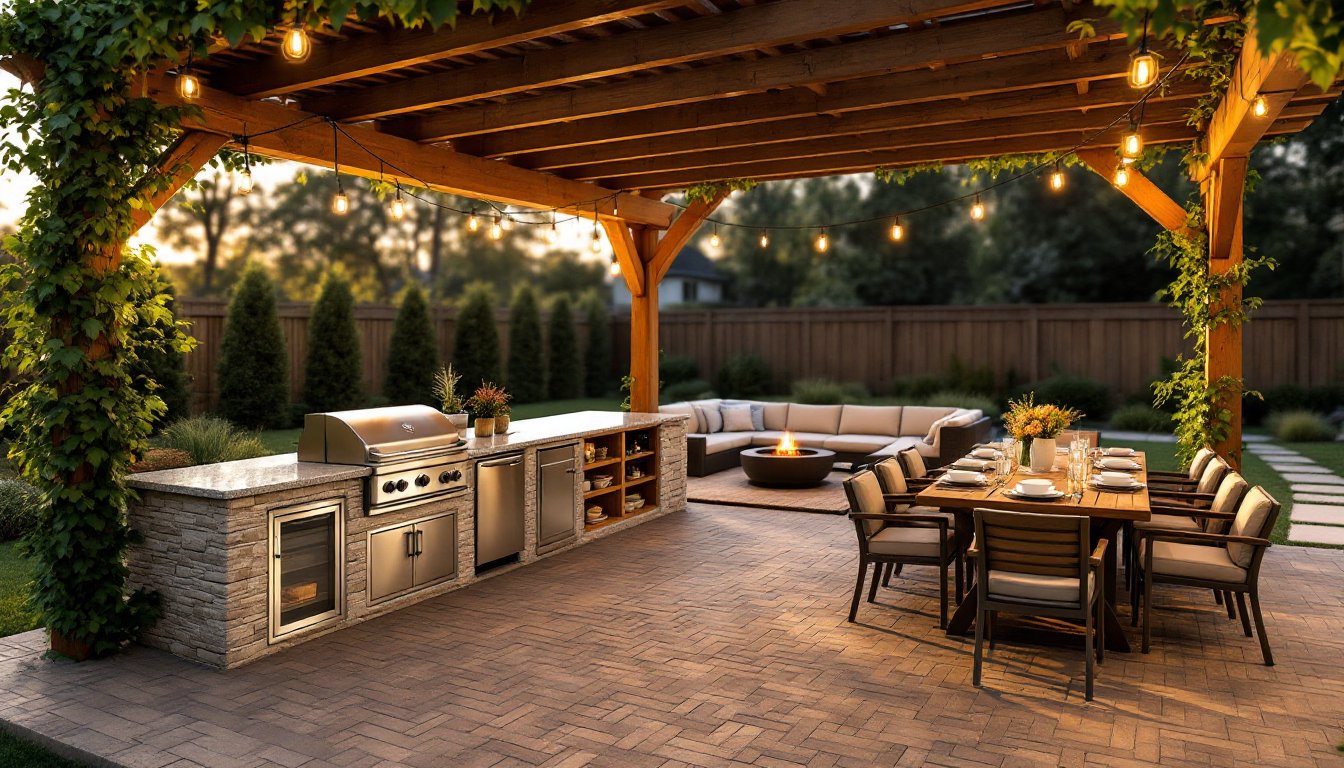
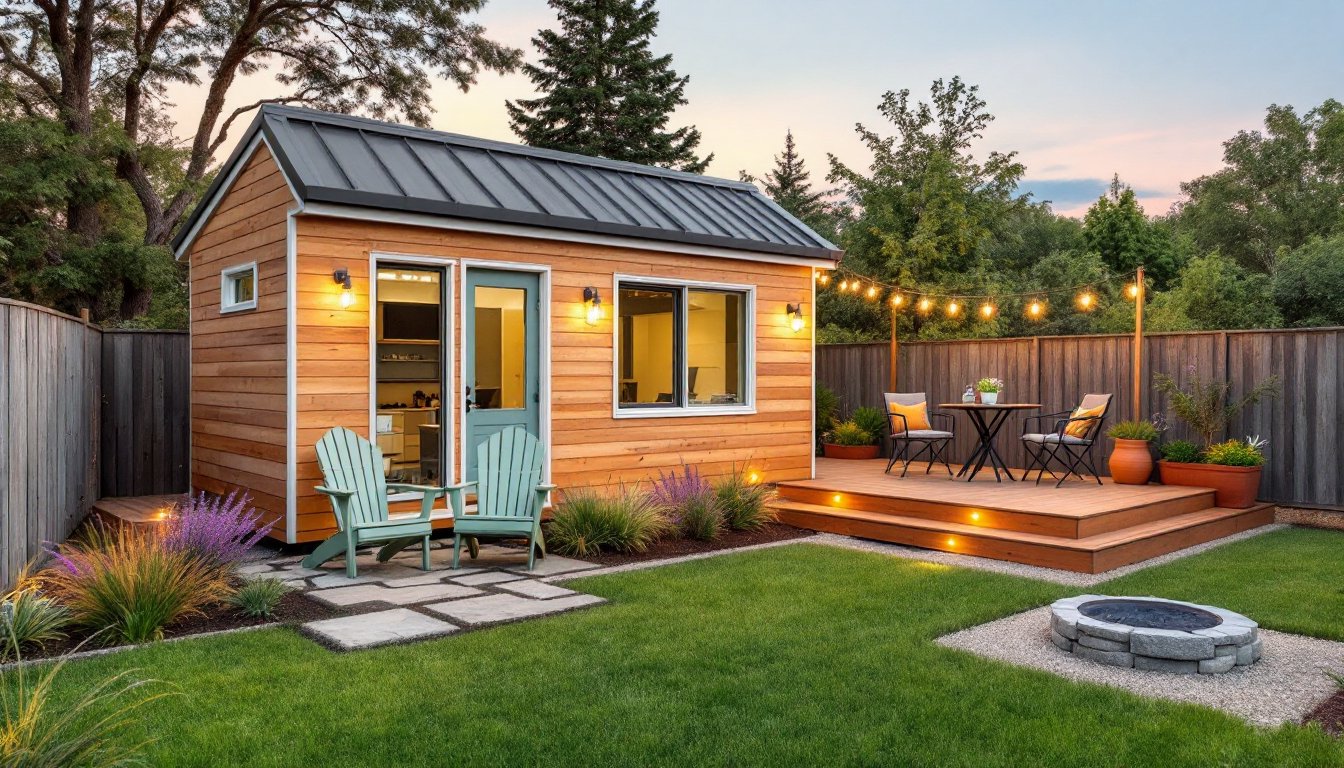
Creating distinct zones for dining and socializing is vital. Patios and decks should be designed for comfort and connectivity. Think about materials against your home’s style and how they integrate with the overall atmosphere of your backyard.
Seating and Entertainment Zones
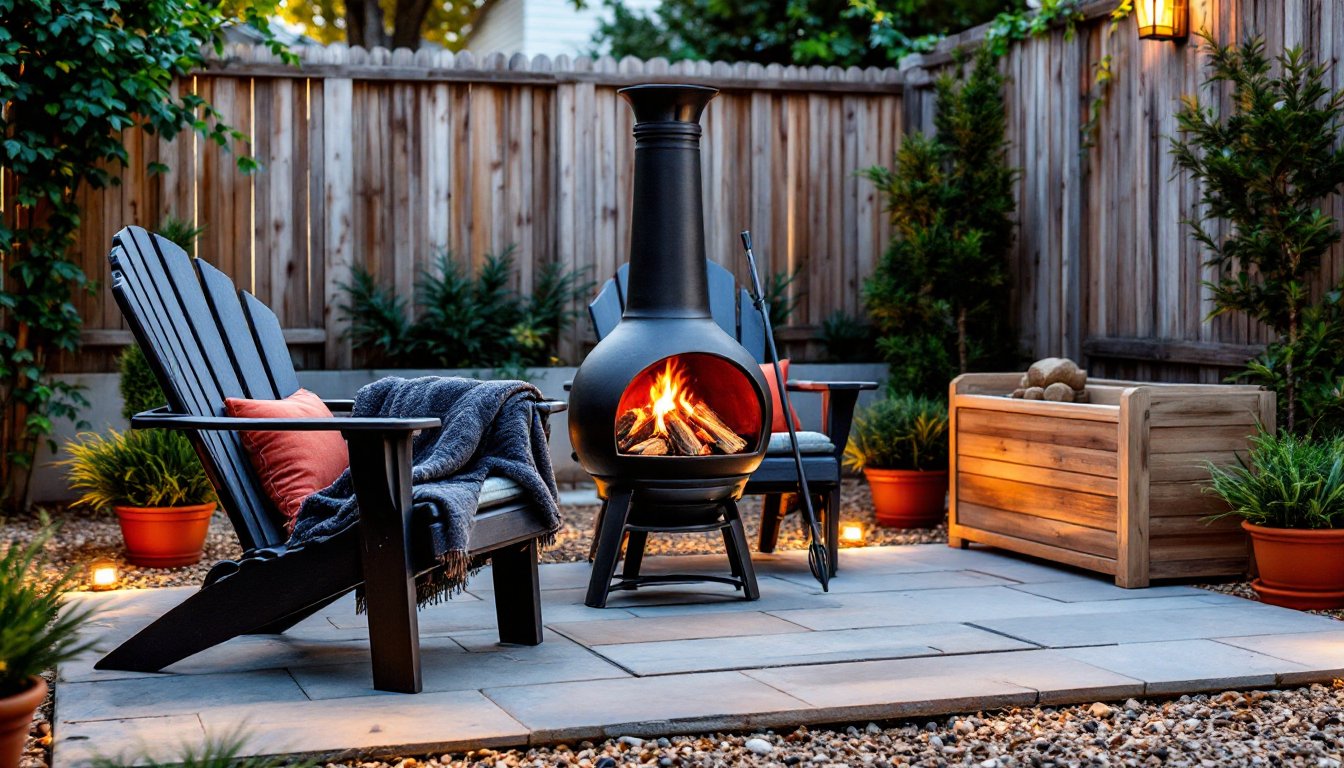
After defining areas, consider seating arrangements that invite conversation. Fire pits, lounge chairs, and dining tables should be strategically placed to make the most of views and accessibility.
Plant Selection and Arrangement
Native Plants vs. Exotic Varieties
Choosing the right plants can make or break your design. Native plants typically require less maintenance, adapt well to the local climate, and attract beneficial wildlife. In contrast, exotic varieties can bring a unique flair but may demand more care.
Layering Plants for Visual Interest
Grouping plants of varying heights will create depth and visual interest. Use taller plants as a backdrop and shorter ones in the front to achieve a rich, full look that feels vibrant.
Sustainability in Landscape Design
Eco-Friendly Practices
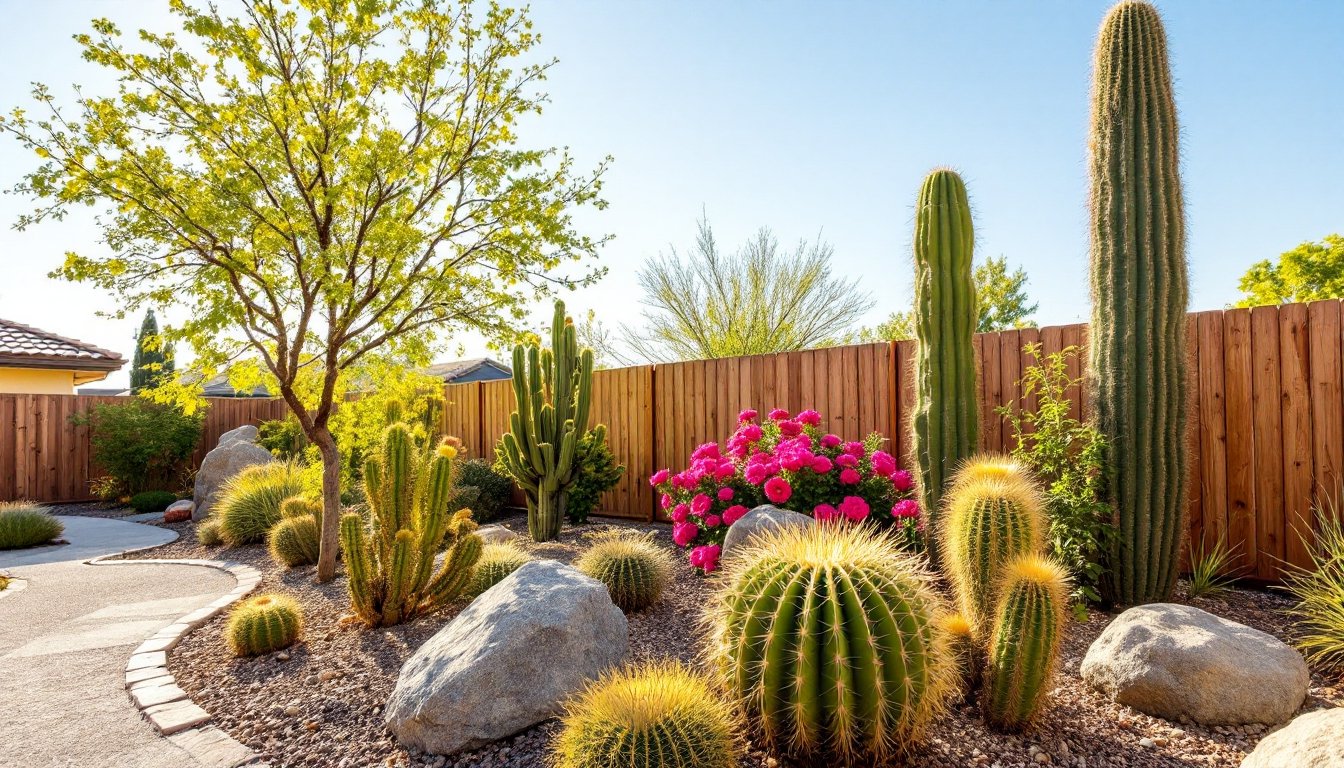
Sustainability is not just a buzzword: it’s a necessity in today’s world. Consider xeriscaping, which reduces the need for irrigation by using drought-resistant native plants. You can also opt for organic fertilizers and pest control solutions that are better for the environment.
Water Conservation Techniques
Rain barrels for collecting water, drip irrigation systems, and xeriscaping techniques are all great ways to conserve water in your backyard. These methods not only help reduce water bills but also promote a healthy ecosystem.
Final Touches and Maintenance Tips
Incorporating Art and Accessories
Personalizing your backyard doesn’t stop at plants and hardscaping. Little touches like decorative planters, garden art, and outdoor lighting can infuse charm and express personal style. Incorporating these elements can turn an ordinary space into a stunning retreat.
Routine Maintenance for Lasting Beauty
Finally, embrace the ongoing nature of keeping your garden lovely. Regular maintenance, such as pruning, watering, and feeding, keeps plants healthy and assures your hard work pays off in aesthetic rewards.